Medi-Cal Dental Coverage Cut for 2 Million Californians Delayed to July 1, 2027: What Orange County Families Need to Know
California planned to strip full Medi-Cal dental coverage from an estimated 2 million state residents on July 1, 2026 — but the enacted 2026-27 State Budget delayed that cut to July 1, 2027. If you or a loved one relies on state-funded Medi-Cal in Orange County, this guide explains who would lose coverage, who keeps it, where to find affordable dental care in OC, and what the delay means for your family right now.
For years, California led the country by extending Medi-Cal health and dental coverage to immigrants regardless of documentation status. That landmark commitment was scheduled to be scaled back on July 1, 2026 — but the enacted 2026-27 State Budget pushed that date back to July 1, 2027. For now, adults across Orange County who rely on California’s state-funded Medi-Cal program for dental care keep their full benefits.
This is not a distant policy debate, but it is no longer an imminent one. Under the original plan, a routine cleaning, a crown, or a periodontal referral would have stopped being covered after June 30, 2026. Under the enacted 2026-27 Budget Act, that cutoff has been pushed back a full year, to July 1, 2027. Routine and preventive dental care for affected adults continues to be covered by state-funded Medi-Cal today.
The communities most affected in Orange County are those with large populations of Vietnamese, Korean, Hispanic, and other immigrant families who have relied on state-funded Medi-Cal dental benefits since California expanded them. Garden Grove, Westminster, Santa Ana, Anaheim, and Stanton have among the highest concentrations of residents who may be impacted.
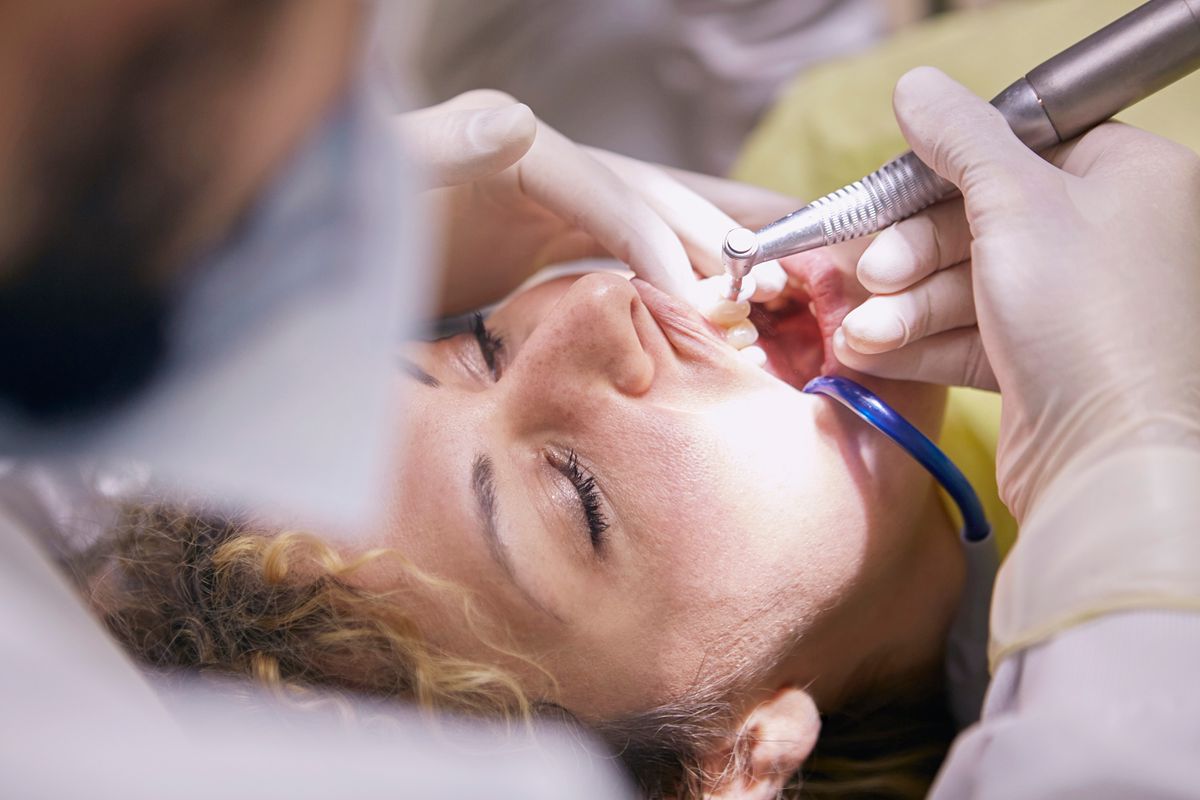
Routine dental procedures like cleanings, fillings, and crowns remain covered for affected Medi-Cal adults today; the planned cutoff has been delayed from June 30, 2026 to June 30, 2027.
Who Will Lose Dental Coverage on July 1, 2027?
California’s Medi-Cal system has two tiers. Federal full-scope Medi-Cal is jointly funded by the state and federal government and covers people who meet federal eligibility rules. California state-funded Medi-Cal extends coverage to people who do not qualify for federal coverage — primarily immigrants without documentation or those with pending immigration status.
The July 1, 2027 change, once it takes effect, will remove full dental benefits from adults on the state-funded tier only. Adults on federal full-scope Medi-Cal are not affected. Here is the breakdown:
| Group | Dental Coverage After July 1, 2027 |
|---|---|
| Adults 19+ on federal full-scope Medi-Cal (green card, citizen, refugee, asylum status) | ✓ KEEPS full dental — no change |
| Adults 19+ on California state-funded Medi-Cal (undocumented, pending immigration status) | ✗ Will LOSE full dental — emergency only starting July 1, 2027 |
| Children under 19 (any immigration status) | ✓ KEEPS full dental — no change |
| Pregnant adults (any immigration status) + 12 months postpartum | ✓ KEEPS full dental — no change |
| Foster youth under 26 who were in foster care on their 18th birthday | ✓ KEEPS full dental — no change |
If you are unsure which type of Medi-Cal you have, call the Medi-Cal Dental Helpline at 1-800-322-6384. For in-person help in Orange County, contact the OC Social Services Agency at ssa.ocgov.com or call (714) 541-2905. Staff can confirm your coverage tier and what benefits you retain.
What Emergency Dental Will Still Be Covered After July 1, 2027?
If you are an adult who loses full Medi-Cal dental coverage, you do not lose all dental care. Emergency dental services remain covered. California DHCS defines covered emergency dental as treatment needed immediately to stop severe pain or diagnose and treat a sudden serious medical problem. Covered situations include:
- Mouth bleeding that does not stop on its own
- Painful swelling in or around the mouth, gums, or jaw
- Severe toothache or jaw pain that is acutely disabling
- Injuries to the face or jawbone
- A broken or knocked-out tooth
- A dental infection with pain or swelling
- After-surgery wound care (bandage changes, stitch removal)
- Braces wires cutting the mouth or cheeks
What will definitively not be covered as emergency dental once the change takes effect on July 1, 2027: routine cleanings, preventive exams, non-urgent cavity fillings, crowns, bridges, dentures, orthodontics, and cosmetic work. These services remain covered under Medi-Cal today — there is no need to rush appointments before a June 30, 2026 deadline, because that deadline no longer applies.

Orange County’s Federally Qualified Health Centers (FQHCs) offer sliding-scale dental care regardless of immigration status or insurance.
Where to Find Affordable Dental Care in Orange County After July 1, 2027
Losing Medi-Cal dental does not mean losing access to dental care. Orange County has a network of federally qualified health centers, nonprofit free clinics, community health centers, and dental schools that serve patients regardless of insurance status, immigration status, or ability to pay. These resources exist precisely for situations like this one.
Orange County Dental Resources for Adults After July 1, 2027
- Lestonnac Free Clinic — Provides free dental, medical, and vision services for uninsured Orange County residents. Locations serve Santa Ana and surrounding areas. lestonnacfreeclinic.org
- Families Together of Orange County (FTOC) — Medi-Cal dental provider in OC. Mobile dental units serve underserved communities, and their Santa Ana clinic provides sliding-scale care. familiestogetheroc.org — (714) 558-4800
- Access Community Health Center (Santa Ana) — FQHC serving immigrant and low-income communities with comprehensive dental on a sliding-scale fee structure.
- Camino Health Center — Affordable primary medical and dental care in South Orange County. Call (949) 240-2030 to schedule.
- Western University Health Sciences Dental Clinic (Pomona) — Just east of OC, this accredited dental school clinic provides comprehensive dental care at significantly reduced rates, with all work supervised by licensed faculty. westernuhealth.com — (909) 706-3900
- OC Dental Society Low-Cost Clinic List — Updated directory of community dental clinics throughout Orange County. ocds.org
- Smile Habits OC — Patient navigation resource connecting Orange County residents to dental payment options and community programs. smilehabitsoc.org
- Medi-Cal Dental Helpline — 1-800-322-6384. Call to verify your coverage, understand what changes apply to you, and get referrals to local dental providers.
Federally Qualified Health Centers are particularly important in this context. FQHCs are federally funded safety-net clinics that cannot turn away patients based on inability to pay. They charge on a sliding scale based on family income — which means a visit may cost far less than a private dental office. FTOC and Access Community Health Center in Orange County are FQHCs.
Why Oral Health Matters for OC Seniors and Home Care Clients
For families who have a senior or person with a disability receiving in-home care in Orange County, this policy change reaches beyond the dentist’s chair. Oral health is directly linked to overall health outcomes — and for home care clients, the connection is especially consequential.
Research consistently shows that untreated dental disease in older adults contributes to systemic health problems including diabetes complications, cardiovascular disease, aspiration pneumonia, and malnutrition from difficulty chewing. A dental infection left untreated because of a coverage gap can become a hospitalization — the most expensive outcome for any family, and a significant risk for home care clients who are already medically fragile.
For the many Orange County families from Vietnamese, Korean, and Hispanic communities who are navigating these coverage changes while also managing a parent’s or spouse’s care needs, the intersection of dental access and home health can feel overwhelming. At Home VA Staffing works with families across Orange County to build comprehensive, coordinated care plans that adapt to changes like this one. Our caregivers assist with transportation to dental appointments, medication management, nutritional support when dental pain affects eating, and general wellness monitoring that catches oral health warning signs early.
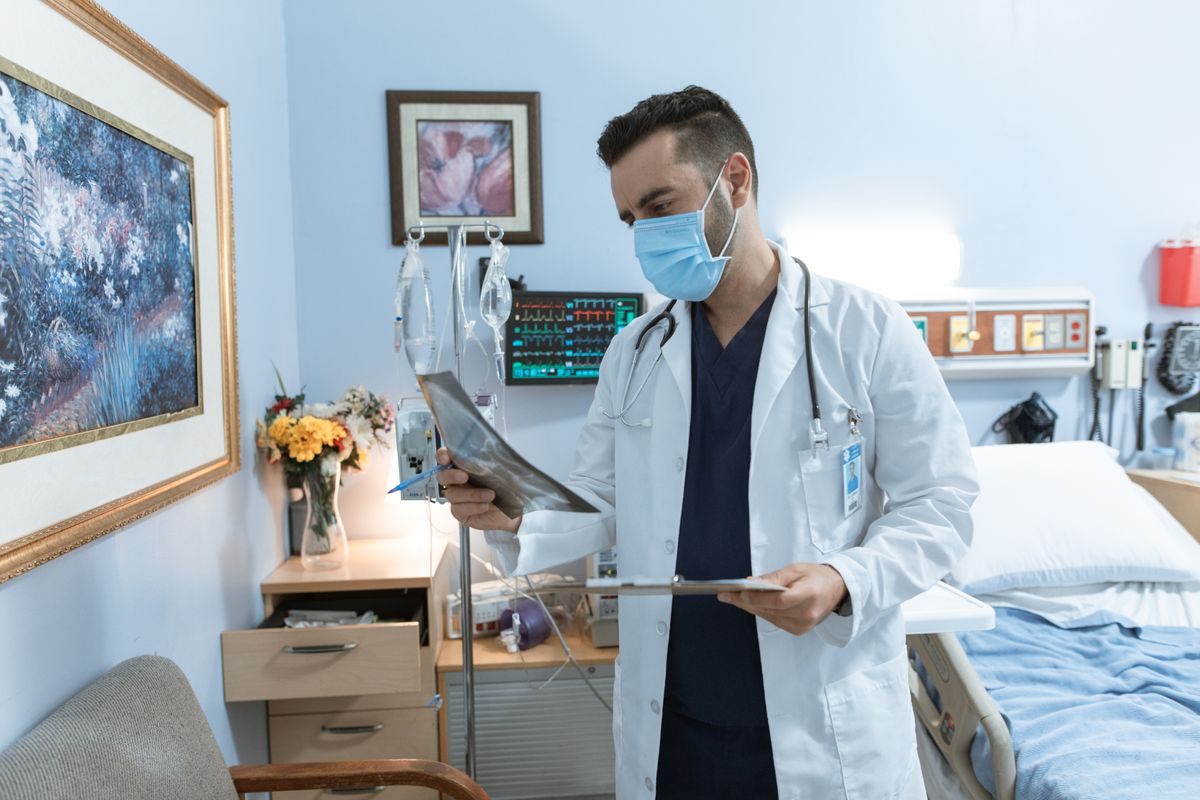
Routine preventive and restorative dental work — X-rays, fillings, and periodontal care — remains covered for this population today; the planned end date has been delayed to July 1, 2027.
Orange County Cities That Would Be Affected by the Delayed July 2027 Medi-Cal Dental Change
The dental cut applies to state-funded Medi-Cal enrollees across every city in Orange County. Based on community demographics and Medi-Cal enrollment data, the following OC cities are home to significant numbers of residents who may be affected:
10-Step Checklist: What OC Families Should Know About the Delayed Dental Change
Click each step to mark it complete as you work through your family’s dental planning.
- Call your Medi-Cal dental provider to confirm your coverage type and whether the July 1, 2027 change will apply to you
- Schedule any overdue cleaning, exam, or filling at your convenience — routine care remains covered under Medi-Cal today, with no June 2026 deadline
- Ask your current dentist about completing any in-progress treatment (crowns, root canals, periodontal work) well before the new July 1, 2027 cutoff
- Call the Medi-Cal Dental Helpline (1-800-322-6384) to confirm exactly what will change for your specific plan when the July 1, 2027 cutoff arrives
- Locate the nearest FQHC or sliding-scale dental clinic in your OC city (see the resource list above)
- If children under 19 in your household have Medi-Cal dental, confirm their coverage continues unchanged — it should, but verify
- Look into Covered California dental add-on plans for 2026-27 open enrollment if you have a marketplace health plan
- Contact Western University Dental Clinic (909-706-3900) to ask about new patient appointments at reduced-cost supervised rates
- Share this resource list with other family members, friends, or community members from your church, temple, or community organization who may be affected
- If managing care for an aging parent, build dental checkups at a community clinic into their overall quarterly health schedule
Quiz: Test Your Knowledge of the Delayed Medi-Cal Dental Change
Five questions to confirm you understand what is changing and what alternatives are available to OC families.
1. Which group is scheduled to lose full Medi-Cal dental coverage on July 1, 2027?
2. Which dental service will still be covered after the July 1, 2027 change for affected adults?
3. Who KEEPS full Medi-Cal dental regardless of immigration status?
4. What is a Federally Qualified Health Center (FQHC) and why might it matter after the July 1, 2027 change?
5. What should an OC adult on state-funded Medi-Cal know about the current status of this change?
Frequently Asked Questions
Navigating a Healthcare Change for an OC Loved One?
At Home VA Staffing provides compassionate non-medical in-home care across Orange County. When healthcare changes create new gaps in a family’s plan, our care team helps bridge them — transportation to appointments, wellness monitoring, personal care, and respite support for families doing the hard work of caregiving.
Talk to Our TeamOr call us directly: (213) 326-7452
Related reading: California’s 2026 Medi-Cal Enrollment Freeze: What OC Immigrant Families Should Do · 2026 Medi-Cal Changes Explained for Orange County · CalOptima Membership Crisis: What OC Families Need to Know