

Southern California’s 2026 pollen season is peaking earlier and harder than any year on record. Photo: Pexels
If you’re an Orange County family caregiver who noticed your aging parent sneezing more this April, you’re not imagining it. The 2026 spring allergy season across Southern California is arriving earlier, lasting longer, and hitting seniors harder than ever before — and the medications many older adults reach for could be more dangerous than the allergies themselves.
For the more than 500,000 seniors living in Orange County, this isn’t just a matter of watery eyes and runny noses. Allergy season can trigger respiratory crises, dangerous medication interactions, increased fall risk, and accelerated cognitive decline — especially when well-meaning family members hand over the wrong over-the-counter remedy.
Why the 2026 Allergy Season Is Different — and Worse

Warmer temperatures are driving earlier and more intense pollen seasons across Southern California. Photo: Pexels
Climate scientists are calling 2026 a “burst season” — a term that should alarm every caregiver in Orange County. Instead of the gradual pollen buildup that allows the immune system to adjust, this year is delivering sudden, intense spikes of tree pollen from oak, olive, eucalyptus, sycamore, and mulberry trees that blanket cities from Irvine to Anaheim.
According to Climate Central’s 2026 analysis, 87% of U.S. cities analyzed now have longer freeze-free growing seasons, with the Southwest adding an average of 22 extra days of pollen-producing weather since 1970. A landmark 2021 study confirmed that human-caused warming is the primary driver, lengthening North American pollen seasons by 20 days on average between 1990 and 2018.
Even more concerning: higher CO₂ levels could produce a 200% increase in pollen production by the end of this century, according to 2022 research. The pollen your parents breathe today is measurably more abundant than what they grew up with.
A burst season means bigger exposure, faster immune reactions, stronger inflammatory responses, and less recovery time between spikes. For seniors with weakened immune systems, compromised lungs, or cardiovascular conditions, each spike is a medical event — not just an inconvenience.
Orange County’s Worst Offenders: Local Allergens by City
Orange County’s Mediterranean climate and diverse landscaping create a perfect storm of allergens that peak at different times throughout spring. Knowing which trees dominate your parent’s neighborhood helps you prepare before symptoms start.
| OC City/Area | Primary Tree Allergens | Peak Month | Severity |
|---|---|---|---|
| Irvine | Olive, Eucalyptus, Oak | April | High |
| Anaheim | Mulberry, Ash, Sycamore | March–April | Very High |
| Huntington Beach | Oak, Palm, Eucalyptus | April | Moderate–High |
| Santa Ana | Mulberry, Ash, Walnut | March–April | Very High |
| Newport Beach | Oak, Eucalyptus, Palm | April–May | Moderate |
| Fullerton | Oak, Sycamore, Mulberry | April | High |
| Mission Viejo | Oak, Olive, Eucalyptus | April | High |
| Costa Mesa | Ash, Mulberry, Sycamore | March–April | High |
| Orange | Olive, Oak, Walnut | April | High |
| Tustin | Oak, Eucalyptus, Ash | April | Moderate–High |
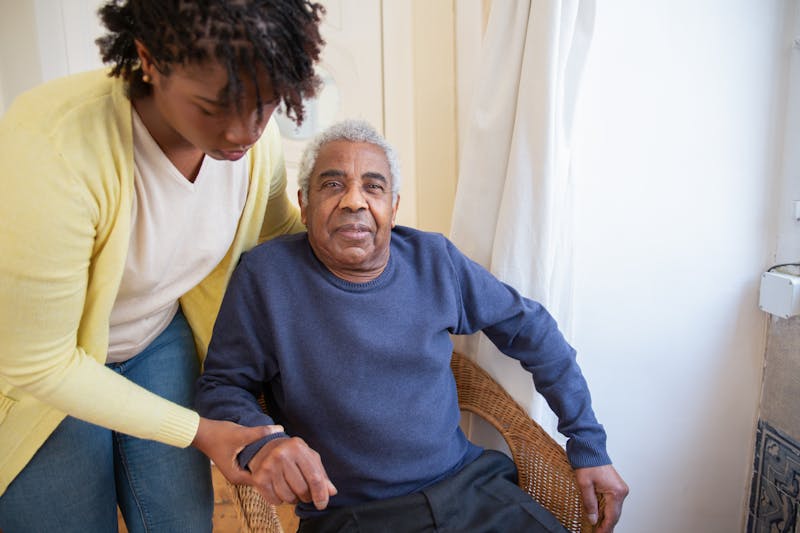
OC seniors who enjoy outdoor activities should monitor daily pollen counts before heading outside. Photo: Pexels
The Hidden Danger in Your Parent’s Medicine Cabinet
Here’s what many Orange County families don’t realize: the most popular allergy medication in America is on the Beers Criteria list of drugs that are potentially dangerous for seniors.
Diphenhydramine — sold as Benadryl, ZzzQuil, and dozens of store brands — is a first-generation antihistamine that blocks acetylcholine, a brain chemical essential for memory, concentration, and attention. In younger adults, this causes mild drowsiness. In adults over 65, it can trigger a cascade of serious problems.

Many common OTC allergy medications are on the Beers Criteria list of drugs inappropriate for seniors. Photo: Pexels
A major study published in JAMA Internal Medicine found that older adults who regularly used anticholinergic drugs like Benadryl had a 54% higher risk of developing dementia and a 63% higher risk of Alzheimer’s disease. The risk increased with cumulative use — meaning every dose matters. Harvard Medical School researchers confirmed these findings, calling the link “strong and concerning.”
Why First-Generation Antihistamines Are Especially Dangerous for Seniors
- Falls and fractures: Sedation and dizziness from diphenhydramine significantly increase fall risk — the leading cause of injury-related death in adults over 65
- Confusion and delirium: Anticholinergic effects can mimic or worsen dementia symptoms, leading to misdiagnosis
- Urinary retention: Can cause dangerous bladder complications, especially in men with prostate issues
- Dry mouth and eyes: Increases dental decay risk and can worsen glaucoma
- Drug interactions: Dangerous when combined with blood pressure medications, sleep aids, anti-anxiety drugs, or opioid pain relievers
- Paradoxical agitation: Some seniors experience restlessness and anxiety instead of drowsiness
Safer vs. Dangerous: Allergy Medication Comparison for Seniors
| Medication | Type | Senior Safety | Key Concern |
|---|---|---|---|
| Diphenhydramine (Benadryl) | 1st Gen Antihistamine | AVOID | Dementia risk, falls, sedation |
| Chlorpheniramine (Chlor-Trimeton) | 1st Gen Antihistamine | AVOID | Sedation, confusion, dry mouth |
| Hydroxyzine (Atarax) | 1st Gen Antihistamine | AVOID | Strong sedation, cardiac risk |
| Loratadine (Claritin) | 2nd Gen Antihistamine | SAFER | Non-sedating, fewer interactions |
| Cetirizine (Zyrtec) | 2nd Gen Antihistamine | SAFER | Mild drowsiness possible |
| Fexofenadine (Allegra) | 2nd Gen Antihistamine | SAFER | Least sedating option |
| Levocetirizine (Xyzal) | 3rd Gen Antihistamine | SAFER | Low risk, effective at half dose |
| Nasal Corticosteroid Spray | Topical | PREFERRED | Local action, minimal systemic effects |
| Saline Nasal Rinse | Non-Drug | SAFEST | No drug interactions at all |

Always consult a physician before starting any new allergy medication for a senior loved one. Photo: Pexels
When Allergies Become a Medical Emergency for Seniors
For most younger adults, seasonal allergies are an annoyance. For Orange County seniors — especially those with COPD, asthma, heart disease, or compromised immune systems — allergies can trigger genuine medical emergencies.
Warning Signs That Require Immediate Medical Attention
- Wheezing or difficulty breathing that doesn’t improve with rest or prescribed inhalers
- Chest tightness or pain — allergy-triggered bronchospasm can mimic heart attack symptoms
- Sudden confusion or behavioral changes after taking any allergy medication
- Persistent cough lasting more than 2 weeks — could indicate allergy-triggered pneumonia
- Swelling of the face, lips, or tongue — signs of anaphylaxis requiring 911
- Fever above 101°F with allergy symptoms — may indicate secondary sinus or respiratory infection

Persistent allergy symptoms in seniors can mask more serious respiratory conditions. Photo: Pexels
Allergy-Proofing a Senior’s Home: Room-by-Room Guide
The most effective allergy management for Orange County seniors starts at home — where they spend the majority of their time. A professional caregiver can implement these changes systematically, reducing allergen exposure by up to 60%.

HEPA air purifiers can remove up to 99.97% of airborne pollen particles from indoor air. Photo: Pexels
Bedroom (Where Seniors Spend 8–10 Hours Daily)
- Install a HEPA air purifier rated for the room’s square footage
- Use allergen-proof mattress and pillow encasements
- Wash all bedding weekly in hot water (130°F minimum)
- Keep windows closed during peak pollen hours (5 AM–10 AM)
- Remove fresh flowers and potted plants from the bedroom
Living Areas
- Vacuum with a HEPA-filter vacuum at least twice weekly
- Replace HVAC filters monthly during allergy season (MERV 11 or higher)
- Wipe down all surfaces with damp cloths — dry dusting spreads allergens
- Remove shoes at the door to prevent tracking pollen indoors
Bathroom
- Run exhaust fans to reduce humidity (mold compounds allergy symptoms)
- Keep a saline nasal rinse kit accessible for daily use
- Establish a “shower after outdoors” routine to remove pollen from skin and hair

Keeping windows closed during peak pollen hours is one of the simplest ways to protect seniors at home. Photo: Pexels
How In-Home Caregivers Help Manage Allergy Season

A trained in-home caregiver can monitor symptoms, manage medications, and keep the home allergen-free. Photo: Pexels
This is where professional in-home care makes a measurable difference for Orange County families. A trained caregiver doesn’t just help with daily tasks — they become the first line of defense against allergy-season complications.
What a Home Caregiver Does During Allergy Season
- Medication management: Ensures the right allergy medications are taken at the right time, and flags any dangerous drug interactions
- Symptom monitoring: Tracks daily symptom severity and recognizes when symptoms cross from nuisance to medical concern
- Environmental controls: Manages air purifiers, changes HVAC filters, keeps windows closed, and maintains clean indoor air
- Pollen awareness: Checks daily pollen counts and adjusts outdoor activity schedules accordingly
- Hydration and nutrition: Ensures proper fluid intake (which thins mucus) and prepares anti-inflammatory meals
- Fall prevention: Extra vigilance during allergy season when dizziness from congestion or medication side effects increases fall risk
- Communication with family: Provides daily updates so you know exactly how your parent is managing
OC Resources for Seniors During Allergy Season
| Resource | What It Provides | Contact |
|---|---|---|
| OC Office on Aging | Senior services referrals, care coordination | (714) 480-6450 |
| CalOptima Health | Medi-Cal managed care, allergy specialist referrals | (714) 246-8500 |
| OC Health Care Agency | Air quality alerts, public health advisories | (714) 834-8180 |
| South Coast AQMD | Real-time air quality monitoring for OC | aqmd.gov |
| IHSS Orange County | In-Home Supportive Services for eligible seniors | (714) 825-3000 |
| At Home VA Staffing | Professional in-home caregivers for allergy season support | (213) 326-7452 |

With proper precautions, OC seniors can still enjoy the outdoors safely during allergy season. Photo: Pexels
Spring Allergy Safety Checklist for OC Caregivers
Track your progress — check off each item as you complete it for your senior loved one:
Spring Allergy Safety Quiz: Test Your Knowledge
How much do you know about keeping your senior loved one safe during allergy season? Take our 5-question quiz:
Frequently Asked Questions
Protect Your Loved One This Allergy Season
Don’t let spring allergies put your parent at risk. Our trained Orange County caregivers help manage medications safely, keep homes allergen-free, and watch for warning signs — so you don’t have to worry.
Talk to Our TeamCall us directly: (213) 326-7452