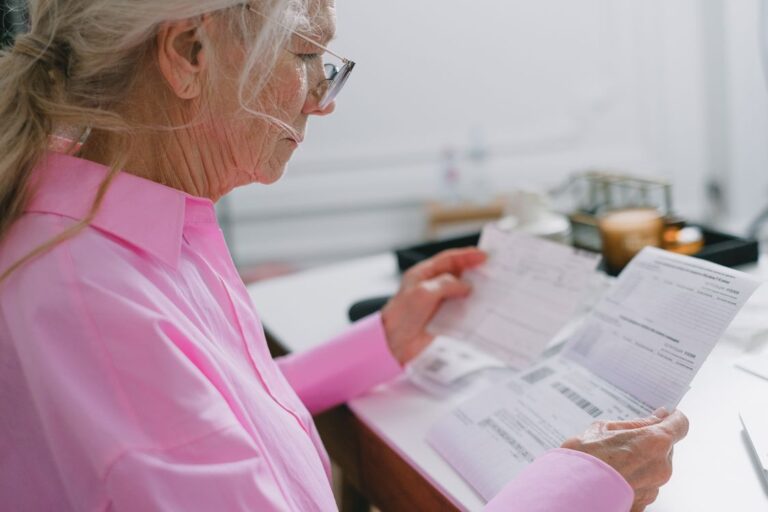

Memorial Day weekend kicks off the most dangerous five-month stretch of the year for Orange County’s elderly residents. By July, every emergency department from Hoag to UCI Health spikes with heat-related visits and respiratory complaints. The combination this year is uglier than usual: an active Carbon Fire burning in the foothills, a SoCal smoke advisory in effect, and forecast models showing a hotter-than-average June. This is your playbook for keeping an aging parent or spouse safe through July.
Why this summer is different
Three things landed at once. First, the heat season started early: NWS San Diego had already posted Heat Advisories for both coastal and inland Orange County in March, and an Extreme Heat Warning for the nearby deserts in May. Second, the Carbon Fire that ignited in late April is still smoldering and seeding a smoke plume that drifts into Anaheim, Orange, and Tustin on northeasterly afternoons. Third, OC’s senior population just crossed 600,000 for the first time, with about 38% of that group living in homes built before central air conditioning was standard.
That third number matters more than people realize. The Coastal cities like Newport Beach, Huntington Beach, and Laguna stay 10 to 15 degrees cooler than inland OC on most summer afternoons. But indoors, a 1965 Anaheim ranch home without retrofit AC will hit 89 degrees by 4 PM on a 96-degree day, and stay above 80 until past midnight. That’s the window where heat illness actually happens — not noon, but the long evening hold.
What’s happening right now (as of May 24)
South Coast AQMD has a wildfire smoke advisory in effect for inland and east OC through Tuesday. Forecast highs Tuesday-Thursday: Anaheim 97, Orange 95, Mission Viejo 93, Irvine 91, Huntington Beach 79. The combination of mid-90s heat and PM2.5 smoke is the most dangerous pairing for anyone with COPD, heart disease, or dementia.
The double-threat: heat plus smoke is not just additive
Most heat-safety advice was written before California started having year-round wildfire seasons. The new physiology is that PM2.5 from wildfire smoke triggers vascular inflammation and constricts airways at the same time the body needs to dump core temperature through skin blood flow and rapid breathing. Both of the body’s main cooling channels get throttled, simultaneously, by the smoke.
UCI Health emergency physicians published a 2025 retrospective showing that ED visits for heat exhaustion in patients over 70 ran 41% higher on days when AQI exceeded 150 versus matched days with the same temperature but cleaner air. The smoke wasn’t the heat illness — it was the multiplier.
How wildfire smoke changes heat risk for seniors
| System | Heat effect | Smoke effect | Why the combo is worse |
|---|---|---|---|
| Heart | Pumps harder to push blood to skin for cooling | PM2.5 narrows coronary arteries within hours | Higher demand, less supply: arrhythmia and MI risk jumps |
| Lungs | Faster breathing to dump heat | Inflamed airways, bronchospasm | Each breath delivers less oxygen exactly when you need more |
| Kidneys | Dehydration concentrates blood | Inflammation reduces renal blood flow | Acute kidney injury risk; common in OC ER admits |
| Brain | Confusion, balance loss at core temp above 102°F | Hypoxia worsens dementia-related confusion | Falls and wandering events spike, especially in dementia care |
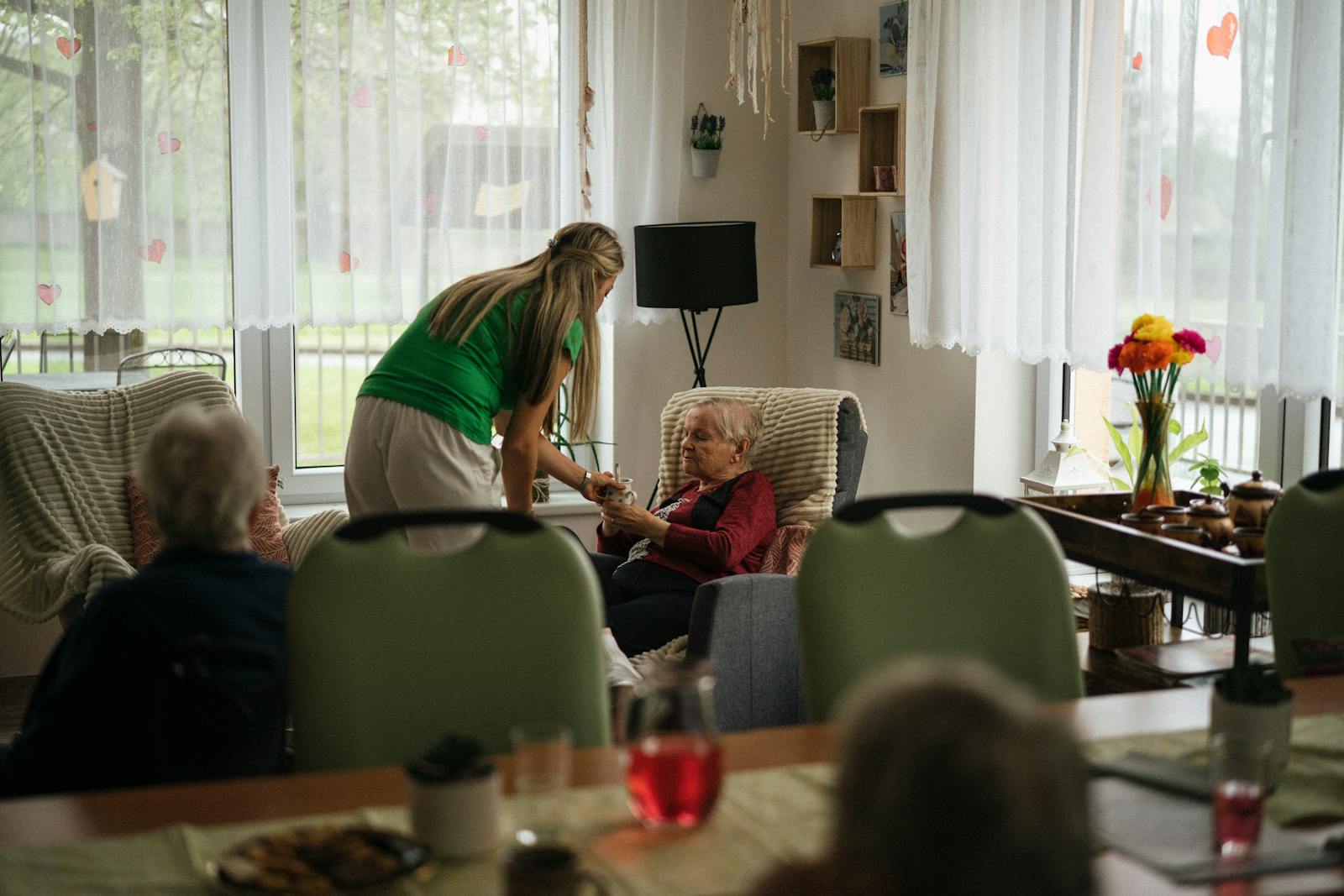
OC’s heat-island map: where your loved one lives matters
Heat in Orange County is not uniform. The marine layer can park itself five miles inland on a June morning and burn off by noon. Knowing which microclimate someone lives in changes the safety plan.
| OC City | Typical June-July afternoon high | Smoke exposure (Carbon Fire prevailing winds) | Priority action |
|---|---|---|---|
| Anaheim, Orange, Tustin | 92-99°F | High on NE wind days | Pre-cool home by 11 AM; HEPA filter mandatory |
| Yorba Linda, Brea, Placentia | 94-101°F | Highest — closest to Carbon Fire footprint | N95 outdoors; relocate at AQI 200+ |
| Irvine, Mission Viejo, Lake Forest | 88-95°F | Moderate | Indoor air filtration; afternoon errands cancelled |
| Costa Mesa, Santa Ana, Garden Grove | 85-92°F | Low to moderate | Hydration focus; check medication interactions |
| Newport Beach, Huntington Beach, Laguna | 72-81°F | Low | Marine layer protective; still watch for indoor heat |
The medications that turn a warm day into an ER visit
Almost every senior in Orange County is on at least one prescription that interferes with the body’s ability to regulate temperature, manage fluids, or stay alert in heat. Most families never learn this from the pharmacy counter. Three medication classes account for the majority of heat-related ER admits in OC seniors:
| Drug class | Common examples | What it does in heat | Action this week |
|---|---|---|---|
| Diuretics | Lasix, HCTZ, spironolactone | Accelerates dehydration; depletes sodium and potassium | Ask MD about a temporary summer dose hold or split |
| Beta blockers | Metoprolol, atenolol, carvedilol | Blunts heart rate response; masks heat stress signals | Watch for fatigue, not pulse, as warning sign |
| Anticholinergics | Diphenhydramine (Benadryl, Tylenol PM), oxybutynin, dementia meds | Reduces sweating; raises core temp; worsens confusion | Switch nighttime Benadryl to a non-anticholinergic alternative |
| ACE inhibitors / ARBs | Lisinopril, losartan, valsartan | Vasodilation lowers blood pressure; faints in heat | Stand up slowly; hydrate before getting out of bed |
| Lithium / SSRIs | Lithium, sertraline, paroxetine | Lithium concentrates dangerously with dehydration | Lithium levels checked before any heat wave; avoid skipping meals |
“The single most common mistake families make is doubling down on Benadryl for sleep during a heat wave. It is the worst possible choice for a senior on a 95-degree night.”
Indoor air during a smoke advisory: a practical setup
The standard Orange County family home is not built to keep wildfire smoke out. PM2.5 particles slip past door gaskets and through return-air leaks. The good news is that a layered indoor strategy actually works, and most of it can be set up in an afternoon.
The four-layer indoor air plan
Layer 1 — Seal the envelope. Close all windows by 9 AM. Place a damp towel along the bottom of the front door. Turn off bathroom and kitchen exhaust fans during smoke events — they pull outside air in.
Layer 2 — Upgrade the HVAC filter. Swap the standard MERV-8 furnace filter for a MERV-13. Costs about $22 at Home Depot. Run the HVAC fan continuously, not just on cooling cycles, so the filter is always pulling air through.
Layer 3 — Add a HEPA portable unit. One properly sized HEPA purifier in the bedroom is more important than one in the living room — seniors spend 9 to 12 hours a day in the bedroom. Coway, Levoit, and Blueair all make units rated for 300+ square feet under $250. Run on medium overnight.
Layer 4 — Designate a “clean room” for severe days. When AQI exceeds 200, consolidate into one room with sealed doors and a HEPA unit. Stock it with water, medications, phone charger, and a fan. This is the room you ride out a 48-hour smoke event in.
Quick check: is your HVAC actually filtering, or just circulating?
Hold a tissue near a return-air vent with the system running. If the tissue gets pulled in firmly, airflow is good. If it barely moves, the filter is clogged, the duct is leaking, or the blower is too weak for a MERV-13. A $100 HVAC tune-up before June is one of the highest-leverage purchases for an OC senior.
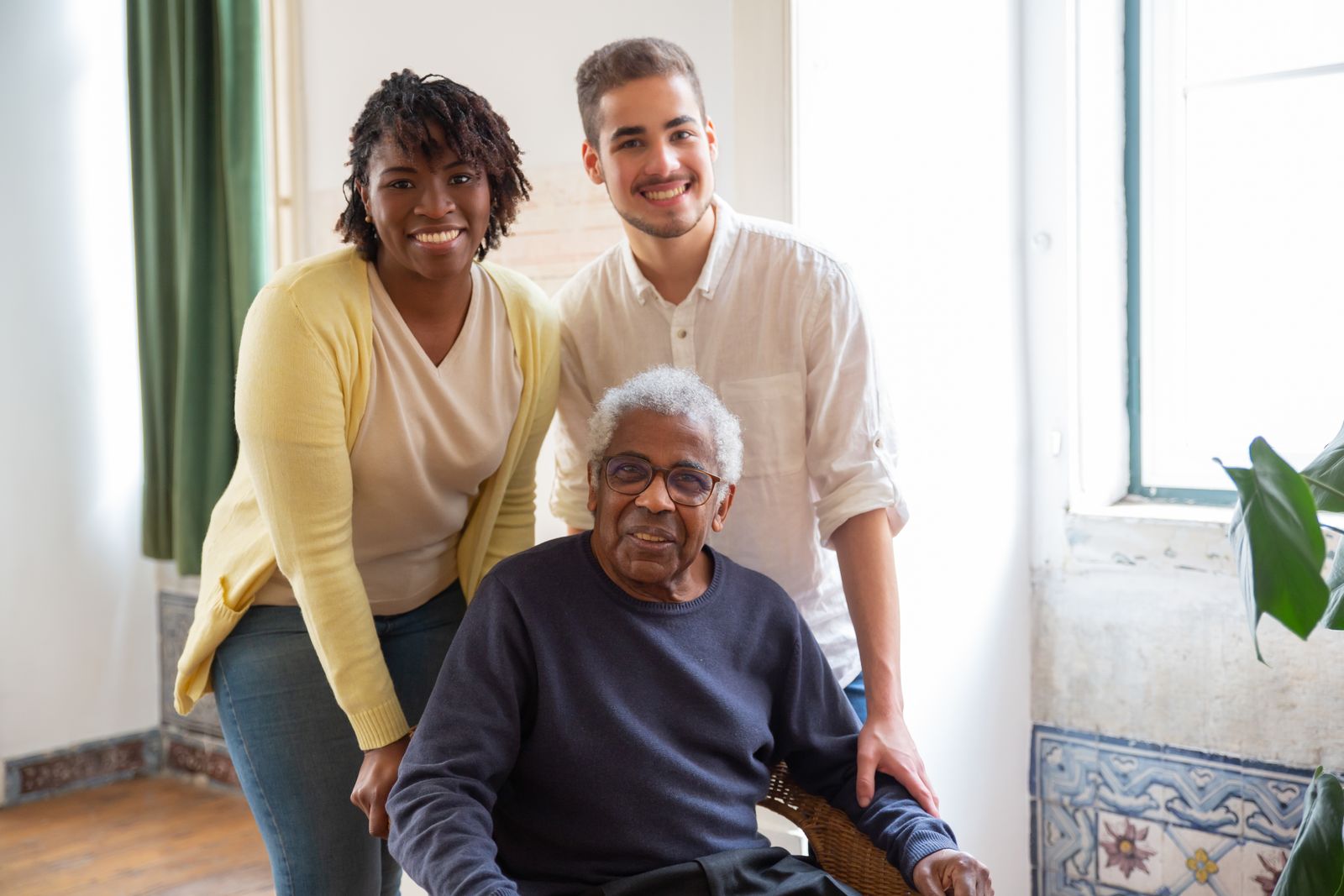
The hydration math nobody teaches families
Older adults lose about 25% of their thirst sensation by age 80. That means a senior is significantly dehydrated before the body sends any thirst signal. The “drink when you’re thirsty” rule fails in this population — by the time it kicks in, the kidney is already concentrating urine to compensate.
The number to remember for OC summer: half a liter of fluid for every 8 waking hours, plus an extra half liter for every hour outside in 90+ heat. That works out to about 2.5 liters total on a typical 95-degree day. Coffee counts. Black tea counts. Most fruit counts. Alcohol does not count (it accelerates fluid loss). Plain ice water is hardest for many seniors to drink — try diluted juice, electrolyte tablets in water, or watermelon-cucumber-mint infusions.
Hydration warning signs to flag immediately
- Skin on the back of the hand stays “tented” for more than 2 seconds when pinched
- Urine darker than pale lemonade for two consecutive bathroom trips
- Sudden constipation after a normal week
- Confusion or unusual irritability in someone who is normally lucid
- Dizziness when standing from a chair or bed
- Weight loss of more than 2 pounds in 48 hours (keep a bathroom scale visible)
The 10-point pre-summer OC home check (do this in one Saturday)
0 of 10 complete
The wellness-check call that actually works
Adult children in Orange County tell us the same thing every summer: they call mom, mom says “I’m fine,” and then mom shows up at urgent care two days later dehydrated and confused. The problem isn’t dishonesty — it’s that “How are you?” gets a reflex answer. Three better questions, asked daily during heat events, change the signal-to-noise ratio:
- “What’s the temperature in the room you’re sitting in right now?” Forces a look at the thermometer. Anything above 80°F indoors is a problem for a senior.
- “What did you drink in the last two hours?” Names of liquids, not “enough.” If they cannot name a beverage, they likely have not had one.
- “Are you taking any new pills, or did you skip any yesterday?” Schedule disruptions during heat waves often start small. Catching them early prevents the cascade.
“The five minutes you spend asking those three questions every afternoon during a heat wave will save your family one emergency department visit per summer. We have the data on this.”
Cooling centers, paratransit, and what’s free in OC
Orange County operates a designated cooling center network that activates whenever the heat index exceeds 95°F or AQI exceeds 150 for more than four hours. Locations include almost every public library, every senior center, the OC Fairgrounds during operating hours, and several large indoor malls. The county also funds free paratransit rides to cooling centers during declared events through OCTA ACCESS — call 714-560-5956 to register a senior before they need it.
UCI Health, MemorialCare, and Hoag all run free heat-safety phone lines during declared events, staffed by nurses who can triage a “should we go to the ER” question over the phone. Save those numbers in the senior’s phone before Memorial Day; reaching for them in the middle of an event always takes too long.
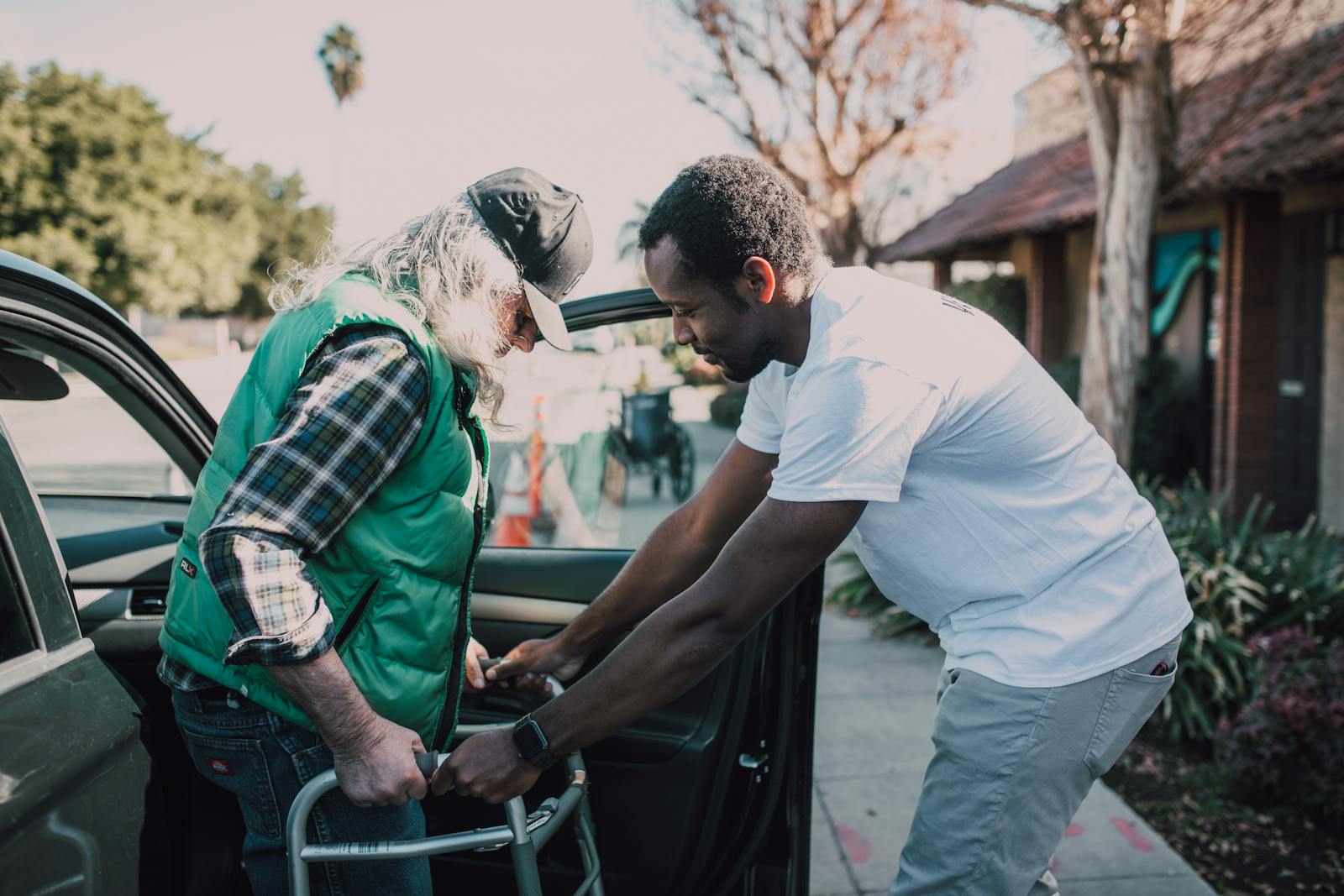
When to call 911, when to call a nurse line, when to wait
| Symptom | Action | Why |
|---|---|---|
| Confusion, slurred speech, or unusual drowsiness | Call 911 | Core temp likely above 103°F; heat stroke is a medical emergency |
| Chest pain or shortness of breath during smoke event | Call 911 | PM2.5 triggers MI within hours; do not drive yourself |
| Skin hot and dry with no sweating | Call 911 | Sign that sweating response has failed; cool aggressively while waiting |
| Dizziness, weakness, or heavy fatigue after outdoor time | Call hospital nurse line; move indoors and hydrate | Likely heat exhaustion; reversible at home if caught early |
| Persistent headache, muscle cramps | Hydrate with electrolytes; nurse line if not better in 2 hours | Sodium depletion; common in seniors on diuretics |
| Mild fatigue, slight loss of appetite | Stay alert, hydrate, indoor rest | Often the first sign; address before it escalates |
Quick check: are you ready for OC summer 2026?
Five questions. Answer all to see your readiness score.
Frequently asked questions
Yes — and do it before Memorial Day weekend, not during the first heat wave when stores sell out. A 10,000 BTU window unit cools one bedroom effectively for a 70 to 80 square foot space. Big-box stores in OC stock them through June; specialty installers (Service Champions, ARS, One Hour Air) can install in 2 to 3 hours. Cost runs $300 to $600 installed. Run during the hottest 8 hours of the day; pre-cool the room from noon to 4 PM.
Depends on AQI. Below 100, normal activity is fine. From 100 to 150 (orange), limit outdoor exposure to under 30 minutes for anyone over 65, and choose a restaurant with confirmed HVAC filtration. Above 150 (red), reschedule. Most OC restaurants don’t have MERV-13 or higher filters, so indoor air is not meaningfully cleaner than outdoor on bad smoke days. Pickup or delivery is the better call.
Two practical workarounds: shift outdoor errands to early morning (before 9 AM) when both heat and PM2.5 are typically at their daily lows, and consolidate trips so total outdoor time stays under 20 minutes on smoke days. If she will tolerate it, a KN95 or KF94 is slightly more comfortable than an N95 — closer fit, less perceived pressure. Save the N95 for the truly bad days (AQI above 200) when the conversation shifts from preference to medical necessity.
Coastal OC, sometimes; inland OC, rarely. Swamp coolers (evaporative cooling) work when humidity is low — they fail when relative humidity climbs above 50%. Anaheim and Santa Ana summer humidity often runs 55 to 70%. They also require an open window, which is the opposite of what you want during a smoke event. For a senior at risk, a real refrigerant-based AC unit is the right tool.
A trained home caregiver is the difference between a near-miss and an ER visit. The right caregiver tracks indoor temperature hourly, logs every fluid intake, monitors medication compliance, watches for the early confusion that signals heat stroke, and is physically present to drive to a cooling center if it comes to that. For an OC family with one parent at home and adult children working full-time, home care during heat waves is usually a 4 to 8 hour daily shift covering the dangerous 2 PM to 9 PM window. AHVA’s respite and personal-care teams already adjust shifts during declared heat events to extend the afternoon window.
Two sources stay updated in real time: the OC Office on Aging (officeonaging.ocgov.com) maintains the senior-specific list with paratransit info, and 211OC (dial 2-1-1 from any OC phone) gives address, hours, and ride options during a declared event. Bookmark both. Many cities also publish their own list on the city website during heat warnings — Anaheim, Santa Ana, and Garden Grove update theirs first because their inland location gets hit hardest.
Worried about an elderly parent through this OC summer?
AHVA’s local caregivers cover wellness checks, medication monitoring, hydration support, and cooling-center transport — and we already adjust shifts during declared heat or smoke events to cover the dangerous afternoon-to-evening window. Talk to our OC team about a summer 2026 care plan before the first heat wave lands.
Talk to our OC teamOr call (213) 326-7452