4th of July Safety Guide for Orange County Seniors and Caregivers: 2026
Orange County knows how to celebrate Independence Day. From Huntington Beach’s massive Surf City USA fireworks — one of the largest displays in California — to intimate neighborhood shows in Mission Viejo and Dana Point, July 4th is a full-county affair. But for families with elderly or disabled loved ones, this holiday brings a specific set of challenges that other summer days don’t: 150-decibel fireworks explosions, temperatures pushing 90°F, late-night start times, and crowded venues with limited accessibility.
If you’re caring for a parent, spouse, or client with dementia, mobility limitations, hearing loss, or chronic illness, this guide will help you plan a safe July 4th — whether that means attending OC’s best accessible shows, or creating a celebration at home that your loved one will actually enjoy.
Why July 4th Is Particularly Challenging for OC Senior Families
Heat and sun exposure are the usual summer concerns for older adults. July 4th layers on several additional factors that compound the risk:
- Late-night events — Most OC fireworks shows don’t start until 9:00 or 9:30 PM, which is well past the bedtime of many seniors and dementia patients whose routines depend on consistent sleep schedules.
- Extreme noise without warning — Fireworks are sudden and unpredictable, which is exactly the kind of sensory trigger that causes the most distress for people with Alzheimer’s or other cognitive impairments.
- Heat at the peak of summer — In 2026, the holiday-weekend forecast called for OC highs of 75–90°F, warmest inland. Outdoor crowds mean limited shade and restroom access.
- Large, fast-moving crowds — Popular events like Huntington Beach can draw tens of thousands of visitors, creating mobility challenges, disorientation risks, and prolonged standing periods.
- Disrupted medication routines — Evening fireworks often push seniors to skip or delay evening medications, which can have real medical consequences.
- Alcohol use in the crowd — This changes crowd behavior and can make exits slower and less predictable.
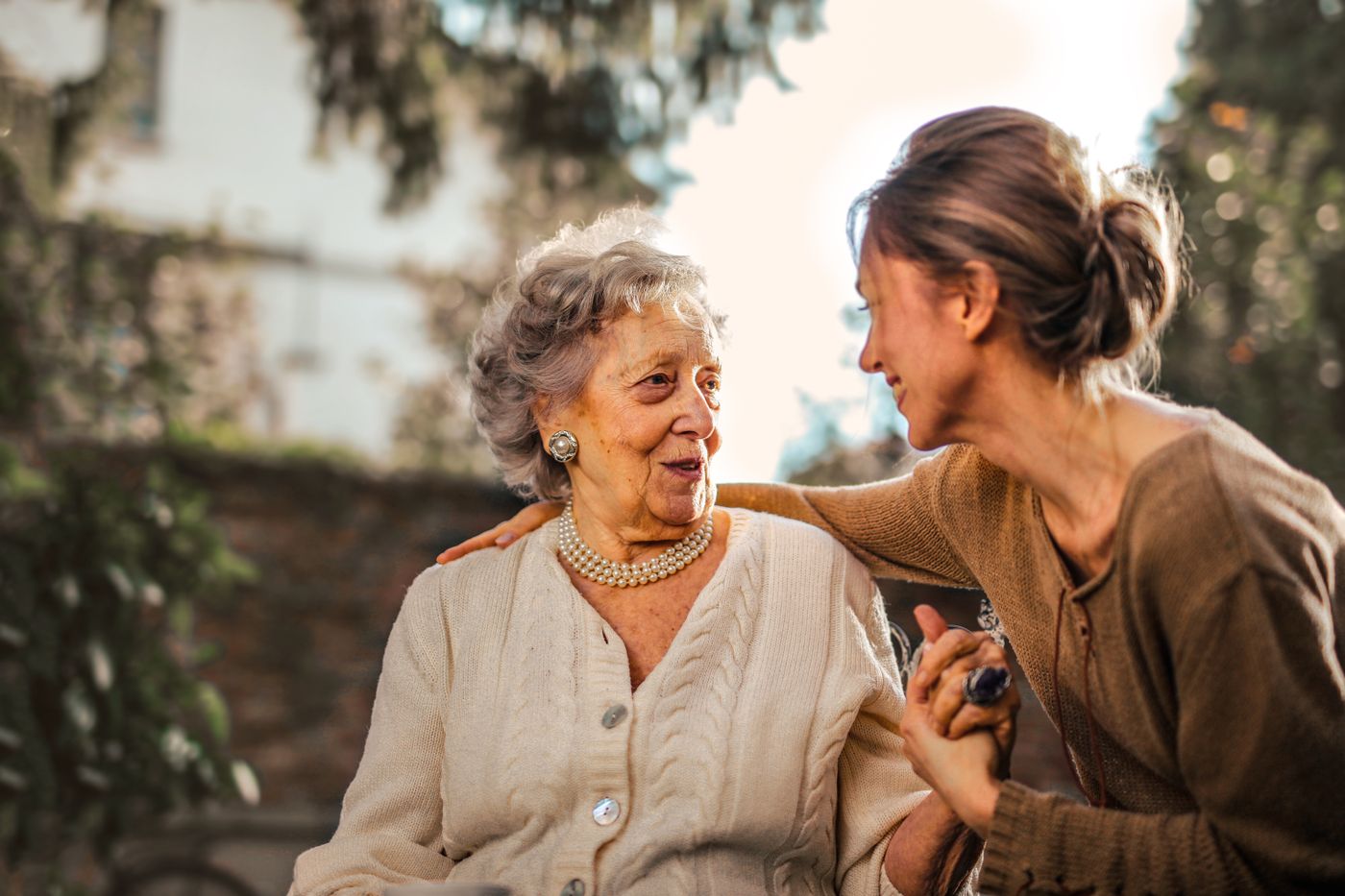
None of this means the holiday needs to be skipped or endured. It means that for families with frail elderly loved ones, a little planning goes a long way. Read on for the specific guidance your situation requires.
Fireworks and Dementia: What Every Caregiver Must Know
If your loved one has Alzheimer’s disease or any other form of dementia, fireworks deserve their own section — because the impact goes far beyond “they might be startled.”
The average fireworks explosion generates approximately 150 decibels of sound. For context, a jet plane taking off at close range registers around 140 dB. These aren’t just loud sounds — they’re sudden, unpredictable, and arrive without any social cue that would help a person with dementia understand what is happening. People without memory impairment can tell themselves “it’s just fireworks.” People in mid-to-late stage dementia often cannot.
What can happen during fireworks exposure
- Immediate agitation, fear, or panic — the person may believe they are in danger
- An urge to flee, which is a serious safety risk in public spaces
- Worsened sundowning — in summer, extended daylight hours already disrupt circadian rhythms in dementia patients, and the evening timing of fireworks falls directly in the most vulnerable window
- Lingering distress that can last for hours after the show ends
- Behavioral changes that persist into the next day, including sleep disruption and increased confusion
Practical strategies for the evening of July 4th
- Keep them inside before the fireworks start — Background noise and the smell of fireworks outside can begin to trigger anxiety even before the show begins. Close windows and lower blinds in advance.
- Play familiar music through speakers or headphones — Familiar songs create emotional safety. Avoid news programs, which may feature fireworks coverage with sudden sound effects.
- Watch a TV fireworks broadcast instead — The visuals without the physical sound pressure is often enjoyable. PBS airs A Capitol Fourth, the national concert and fireworks from Washington, D.C., and many cities livestream their shows.
- Stay calm — Research consistently shows that a caregiver’s emotional state transfers directly to a person with dementia. If you remain calm and matter-of-fact, your loved one is far more likely to remain calm as well.
- Prepare a simple, reassuring explanation — Something like: “We can hear the fireworks outside. It’s a celebration — it’s safe. We’re going to stay cozy right here.”
- Have their comfort items ready — A favorite blanket, stuffed animal, or familiar object can provide significant grounding when sensory experience becomes overwhelming.
Heat Safety in Orange County This July 4th
For the 2026 holiday weekend, the forecast called for a warming trend through the week, with inland areas reaching 85–90°F by Saturday and coastal areas staying in the mid-to-upper 70s. Once the marine layer clears, anyone attending an afternoon or evening event, especially inland, should plan for significant heat exposure.
Seniors face elevated heat risk for several interconnected reasons:
- Reduced thermoregulation — The body’s ability to sense and respond to heat decreases with age. Older adults may not notice they’re overheating until symptoms are already advanced.
- Medication interactions — Diuretics (used for blood pressure and heart conditions) increase dehydration risk. Beta-blockers reduce the heart’s ability to respond to heat by increasing pulse rate. Antihistamines and anticholinergic medications impair sweating. Check with your loved one’s physician before any extended outdoor exposure.
- Reduced thirst sensation — Older adults frequently do not feel thirsty even when significantly dehydrated. By the time they say “I’m thirsty,” they may already be in trouble.
- Limited access to shade and seating at events — Popular fireworks venues can fill hours before the show, leaving latecomers in exposed areas with nowhere to rest.
Heat safety essentials for July 4th events
- Freeze a water bottle the night before; bring a second bottle of room-temperature water
- Wear light-colored, loose-fitting, breathable clothing (dark colors absorb heat)
- Bring a wide-brim hat and a personal handheld fan
- Arrive early to secure a shaded spot with good sightlines — don’t plan on finding one after 7PM
- Identify the nearest air-conditioned space (a convenience store, restaurant, or event venue building) before the show starts
- Offer water every 20–30 minutes — do not wait for your senior to ask
- Check the forecast for your specific OC city: coastal Huntington Beach and Newport are significantly cooler than inland Anaheim or Mission Viejo
For a list of cooling centers open during a heat event or holiday weekend, call 211 OC at 2-1-1.
Hearing Protection: What You Need to Know
Many seniors and their families assume that if grandma has hearing aids, she’s “protected” at a fireworks show. This is incorrect — and the misunderstanding can cause real harm.
Hearing aids are amplification devices. They make sounds louder, not quieter. While most modern hearing aids have automatic gain control that limits extreme peaks, they do not function as rated hearing protection. In fact, some audiologists recommend that seniors with hearing aids remove them and wear standard foam earplugs or over-ear earmuffs for events like fireworks shows — because the aid’s speaker can concentrate damaging sound directly into the ear canal.
The numbers
- Safe sustained exposure limit (NIOSH): 85 dB
- Average fireworks explosion: 150 dB
- Distance helps less than most people expect: the American Speech-Language-Hearing Association advises watching from at least 500 feet from the launch site, and wearing earplugs or earmuffs if you can’t keep that distance
- Age-related hearing loss is accelerated by repeated noise exposure — even sub-threshold events can compound existing damage
What to bring
- Foam earplugs with an NRR (Noise Reduction Rating) of 29 or higher — inexpensive and widely available at pharmacies
- Over-ear earmuffs with NRR 25+ — preferred for seniors who struggle with inserting earplugs, or who wear behind-the-ear hearing aids
- Pick up a pack in advance — stores near event venues often sell out in the days before July 4th
OC Fireworks Shows 2026: A Senior-Friendly Accessibility Guide
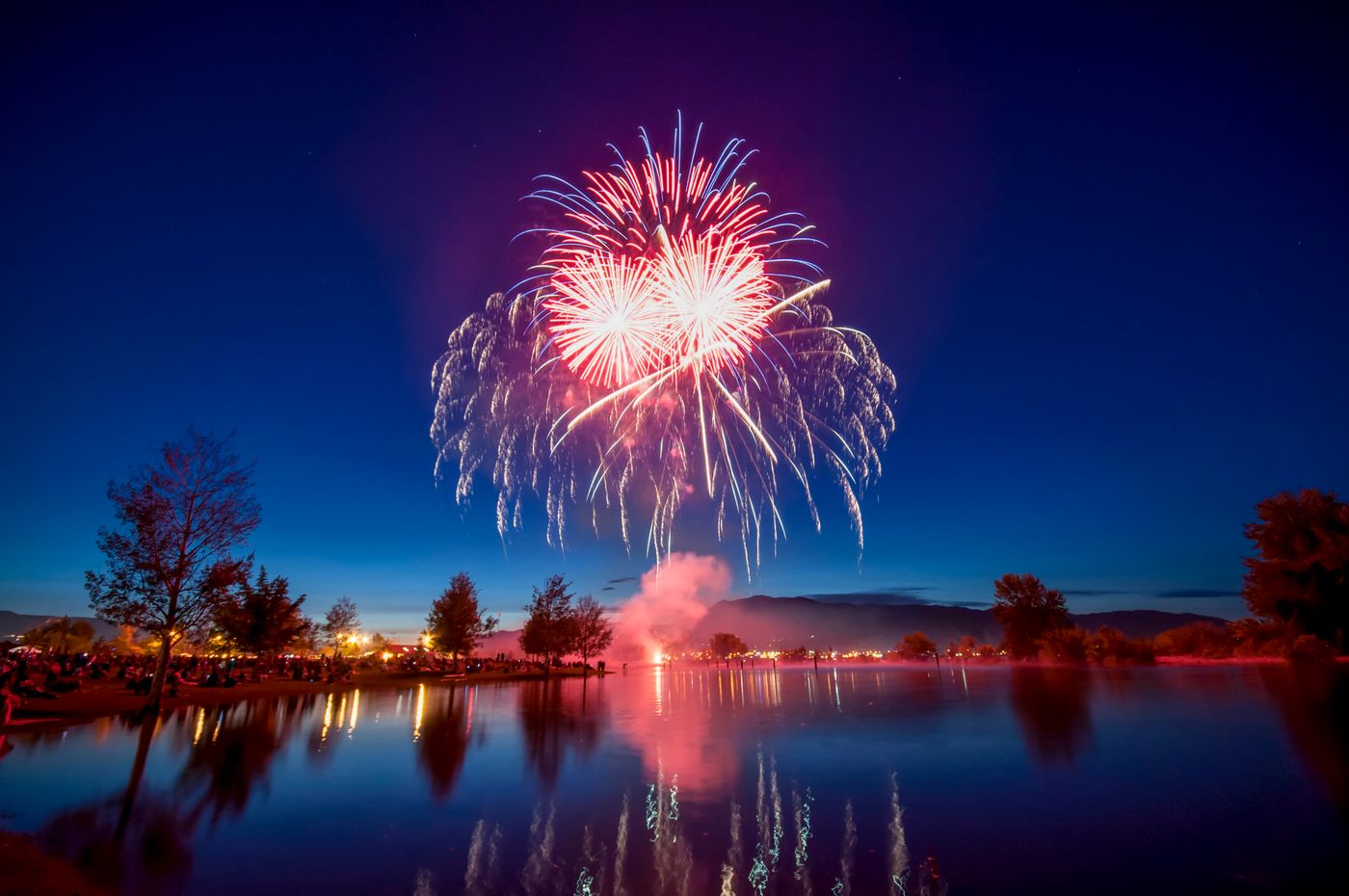
Here is a practical breakdown of the major OC fireworks shows as they ran in 2026, with accessibility notes relevant to seniors and families with mobility considerations. Dates and times change from year to year, so confirm them with each city before you go:
| Event | Date & Time | Location | Accessibility Notes |
|---|---|---|---|
| Huntington Beach (Surf City USA) | July 4, ~9:00 PM | Main Street Beach | Largest in OC. Flat beach path, designated accessible viewing areas near the pier. Extremely crowded — arrive by 3–4 PM for accessible spots. Parking fills fast. |
| Dana Point / Doheny State Beach | July 4, 9:00 PM | Dana Point Harbor | Paved paths to waterfront viewing. Accessible restrooms in the harbor area. Moderately crowded. Arrive by 6 PM for good accessible spots. |
| OC Fair & Event Center | July 3 (Friday), 9:00 PM | Costa Mesa (88 Fair Dr) | Free community event. Paved venue, accessible parking and entry. Enclosed-venue option reduces heat exposure. Fireworks at 9 PM. Slightly quieter than July 4 events. |
| Newport Dunes Waterfront | July 4, ~9:00 PM | Back Bay, Newport Beach | Accessible paths and paved areas. Calmer atmosphere than the ocean beach. Family-friendly dinner events starting earlier make this a good option for seniors who want a longer, gentler evening. |
| Mission Viejo | July 4, Noon–9:00 PM | Mission Viejo Lake | Best option for seniors who cannot stay out late. Events begin at noon, giving families flexibility to enjoy the day and leave before the 9 PM show if needed. Accessible paths around the lake. |
| Cypress College “Salute to America” | July 3 (Friday), 5:30–9:30 PM | Cypress (9200 Valley View) | School campus with flat, paved parking lot and walkways. Good accessible restroom facilities. Fireworks at 9 PM. Less crowded than beach events. Easy parking access. |
Universal tips for attending any OC fireworks show with a senior
- Arrive at least 2 hours early to secure accessible parking, an accessible viewing location, and identify restroom facilities before crowds form
- Bring your own seating — a lightweight folding chair or transport wheelchair. Most venues will not have adequate seating for everyone.
- Plan your exit before the show starts — know exactly which direction you’ll go and where you’ll meet anyone separated from your group
- Tell event staff about your senior’s needs early in the evening — most shows have volunteer or security staff who can assist with accessibility accommodations
- Have a backup plan — if your senior becomes distressed, agitated, or too hot at any point, leave immediately. The fireworks will happen next year. The decision to stay when a senior is in distress is never worth it.
- Charge your phone completely before leaving and confirm your emergency contacts are saved
When Staying Home Is the Right Call
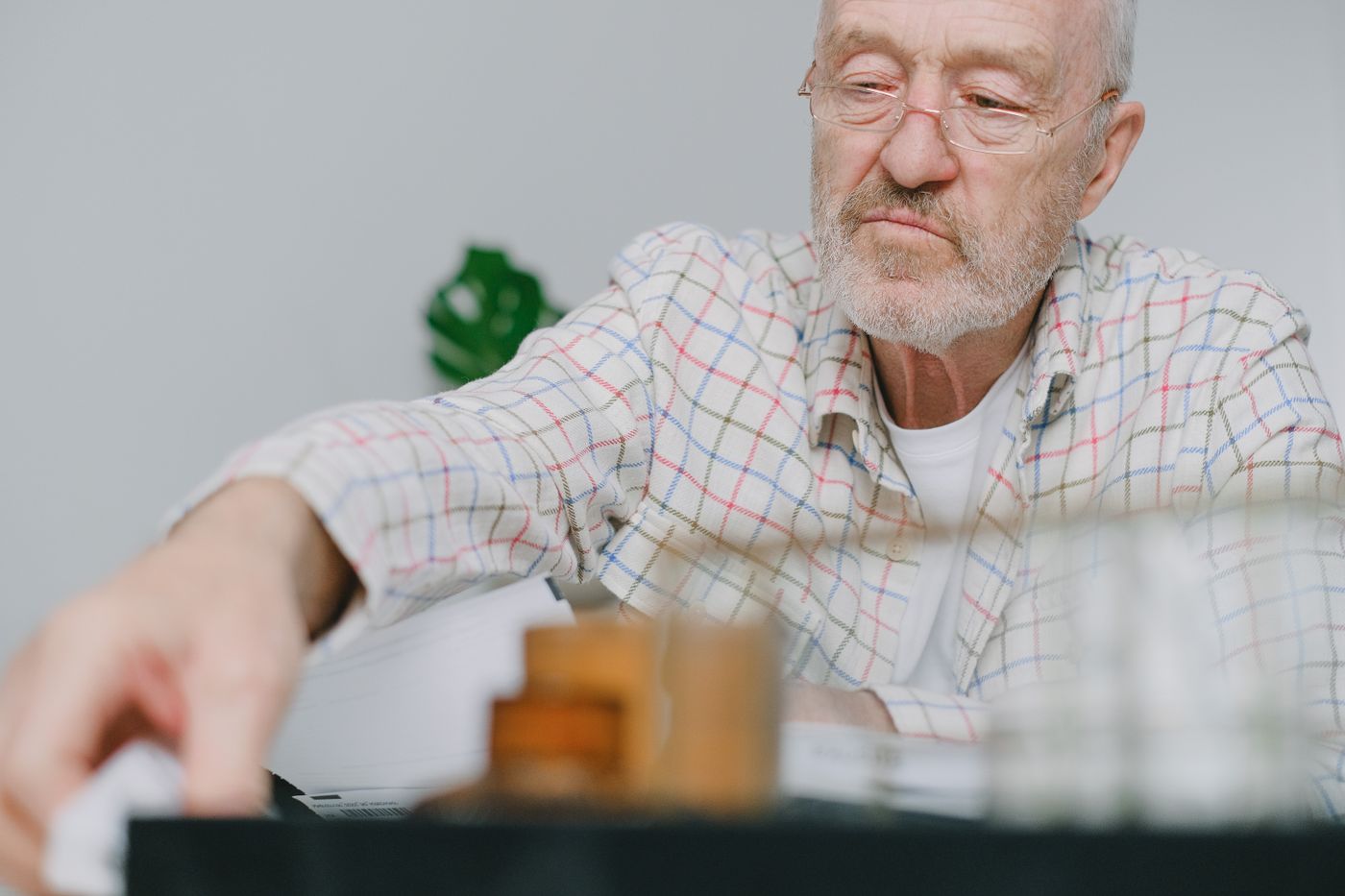
For many seniors — particularly those with advanced dementia, severe mobility limitations, active medical conditions, or significant anxiety in crowds — staying home is not the “lesser” option. It is the right one. A safe, calm, comfortable July 4th at home is a genuine celebration.
Ideas for a meaningful July 4th at home
- Watch televised fireworks — PBS airs A Capitol Fourth, the national concert and fireworks from Washington, D.C. ABC, NBC, and local stations also carry national celebrations. Many OC cities livestream their shows as well.
- Make patriotic food together — Simple, hands-on food activities are among the most effective engagement tools for seniors with dementia. Try assembling a red/white/blue fruit skewer (strawberries, banana slices, blueberries) or decorating star-shaped sugar cookies.
- Play patriotic music — “America the Beautiful,” “Stars and Stripes Forever,” “God Bless America.” Use Spotify, YouTube, or a playlist your loved one already knows. Music engages long-term memory even in advanced dementia — familiar patriotic songs from their youth can spark genuine joy.
- Share patriotic family stories — Ask your loved one about their memories of past July 4ths: where they grew up, how their family celebrated, whether any family members served in the military. This kind of reminiscence is therapeutic and meaningful.
- Video call with family — Technology makes it easy to connect with relatives attending events across the country. A 20-minute video call during the celebration keeps your senior socially connected without any of the risks of attendance.
- Watch a patriotic film — “Lincoln,” “1776,” “Glory,” “Saving Private Ryan,” “The Patriot.” Choose based on your loved one’s tastes and tolerance for intensity.
- Create a simple patriotic craft — Paper plate American flag, a red/white/blue pinwheel, or simply painting small stones red, white, and blue. The activity itself matters more than the finished product.
Medication Management on Holiday Weekends
One of the most underappreciated risks of holiday outings for seniors is medication disruption. A night out for fireworks can easily push the evening medication time by 2–4 hours — which for certain medications can have clinically significant consequences.
- Set phone alarms for every medication time before you leave home — don’t rely on memory during a busy evening
- Bring a written medication list with all drug names, doses, and timing — not just the pill bottles. This is essential if emergency services need to know your loved one’s medication status.
- Heat + diuretics = elevated dehydration risk — medications like furosemide (Lasix), hydrochlorothiazide, and other diuretics cause increased fluid loss. This combines badly with outdoor heat exposure.
- Beta-blockers and heat — these medications limit the heart’s ability to increase its rate in response to heat, which is the body’s primary cooling mechanism. Seniors on beta-blockers may not show the racing pulse that normally signals overheating.
- Photosensitivity medications — several common drugs, including certain antibiotics, diuretics, and psychiatric medications, increase sunburn risk significantly. Check with your pharmacist before extended outdoor exposure.
- Seizure medications and blood pressure medications cannot be skipped — always bring the evening’s medications if there is any chance the outing will run past the usual medication time
Need Extra Coverage for a Holiday Weekend?
AHVA can provide non-medical in-home caregiver coverage over holiday weekends, including the Fourth of July. Whether you need a few hours of respite so you can attend events, overnight coverage, or a caregiver trained in dementia care for the evening, our team is here.
We’re a woman-owned, minority-owned Orange County home care agency — with caregivers trained in dementia care, heat safety, and medication reminders.
Ask About Holiday CoverageJuly 4th Senior Safety Checklist
Click each item as you complete it to build your Independence Day safety plan.
Independence Day Safety Checklist for OC Families
Quiz: Is Your OC Loved One Ready for July 4th?
Test your July 4th safety knowledge. Click an answer to check it.
4th of July Senior Safety Quiz
1. At what sound level does sustained noise begin to damage hearing?
2. Why do hearing aids NOT protect seniors at fireworks shows?
3. Which OC fireworks event starts earliest, making it most senior-friendly?
4. A senior with dementia is agitated during fireworks at home. What is the BEST first response?
5. Which sign indicates a heat STROKE emergency requiring 911 — not just heat exhaustion?
Frequently Asked Questions
July 4th Senior Safety: Your Questions Answered
For most people with moderate-to-advanced dementia, the answer is no. The combination of sudden loud noises, crowds, disorientation in an unfamiliar place, and the late-night timing creates conditions that are very likely to cause distress and potentially dangerous behavior. A safe, calm evening at home watching TV fireworks is almost always a better experience for both your loved one and you. If your loved one is in early-stage dementia and is generally calm in public settings, they may be able to attend — but plan a quiet exit strategy and watch closely for signs of agitation.
Huntington Beach has designated accessible viewing areas near the Main Street pier and paved paths to the beach. However, the event draws massive crowds and accessible spots fill very quickly. If you are planning to attend with someone in a wheelchair, aim to arrive by 3–4 PM to secure a good location. Accessible parking is available but also fills fast — consider dropping off your loved one near the pier before parking. City staff and event volunteers can usually help direct you to accessible accommodations.
Early warning signs of heat exhaustion: heavy sweating, weakness, pale or cold clammy skin, a weak pulse, nausea, or feeling faint. These are serious but manageable — move them to shade immediately, give water, loosen clothing, and apply cool damp cloths to the neck and wrists. If they do not improve within 15 minutes, seek medical attention. Heat stroke is an emergency: signs include hot, red, dry skin with NO sweating, a rapid strong pulse, confusion, slurred speech, or unconsciousness. Call 911 immediately and do not wait for any improvement.
Yes, absolutely. In many OC neighborhoods, illegal backyard fireworks can produce sound levels comparable to professional shows — and they arrive unpredictably, without the schedule a professional show follows. Start your dementia patient’s calming routine by 7:30–8 PM, before the neighborhood noise typically begins. Close windows and doors, set up their comfort items, and have familiar music playing at a volume that partially covers the outdoor noise. Do not wait for the first loud bang to start the calm-down routine.
PBS airs A Capitol Fourth, the national concert and fireworks from Washington, D.C., on the evening of July 4th, and in 2026 CNN carried the Boston Pops fireworks from Boston nationally. ABC, NBC, and Fox also air national celebration coverage. Local OC affiliates may broadcast regional shows. Many cities, including New York City and Washington D.C., also offer free livestreams on YouTube. For a senior who cannot attend in person, watching fireworks on TV in a comfortable, familiar setting is a genuinely enjoyable experience — with none of the heat, noise, or crowd stress.
Yes. AHVA can provide non-medical in-home caregiver coverage over the July 4th holiday weekend. Whether you need a few hours of respite coverage while you attend an event, a full evening of supervision for a loved one with dementia, or overnight care, our team of trained caregivers is available throughout Orange County. Contact us to discuss scheduling — holiday shifts book early, so please reach out a few weeks ahead.
Orange County Home Care — Currently Accepting New Clients
AHVA is a 100% woman-owned, minority-owned non-medical home care agency serving families throughout Orange County. Our caregivers are trained in dementia care, medication reminders, heat safety, and companion care for seniors living at home.
If you’re planning for the July 4th weekend — or any day — we’re here to help. Serving Huntington Beach, Anaheim, Irvine, Santa Ana, Newport Beach, Costa Mesa, Fullerton, Orange, Mission Viejo, Dana Point, and all surrounding OC cities.
Request a Free Consultation