
Father’s Day 2026: The Orange County Family Guide to Celebrating an Aging Dad at Home

Father’s Day is 30 days away. For millions of families across Orange County, June 21 will look different than holidays past — not because love has changed, but because dad has. Maybe he moves more slowly now. Maybe the Alzheimer’s diagnosis came last year. Maybe his last fall made everyone realize the house setup needs some thought. Whatever the circumstance, the question isn’t whether to celebrate — it’s how to do it in a way that truly honors him, safely and joyfully.
This guide is for OC families navigating Father’s Day with an aging father: what to plan, what to watch for, and how to turn this holiday into something that genuinely matters — for dad and for everyone who loves him.
Reading the Room: Signs Dad Needs More Support This Year
Father’s Day visits have a way of revealing what phone calls cannot. When adult children gather at the family home in Irvine, Fullerton, or Santa Ana, they often notice things that have accumulated slowly: the fridge is nearly empty, the mail is piled up, the walk from the parking lot was labored. These aren’t signs of failure. They’re signals.
Before planning the celebration, take a quiet inventory. Is dad moving more carefully than last year? Has his weight changed noticeably? Does he seem to lose his train of thought more often, or repeat the same story in the same conversation? Does the house feel less organized than he’d normally keep it? Is he showering regularly?
These observations aren’t meant to alarm — they’re the foundation for a thoughtful conversation about whether some additional support might make his daily life better and safer. The Father’s Day visit is one of the best natural checkpoints an OC family gets.
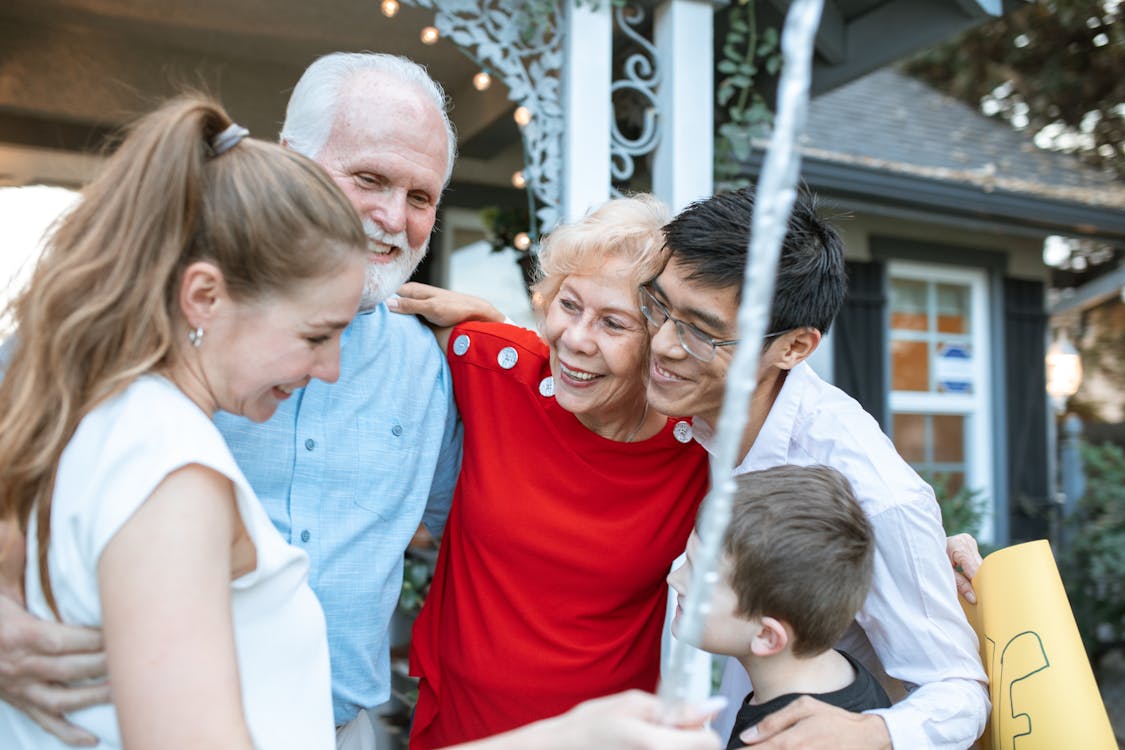
10 Father’s Day Ideas for Aging Dads in Orange County
The best celebrations match the dad, not the greeting card aisle. Here are 10 meaningful ideas across different care and mobility levels — all doable within Orange County.
| Activity | Best For | OC Location | Notes |
|---|---|---|---|
| Early morning walk at Huntington Beach Pier | Mobile, active | Huntington Beach | Cooler temps before 9 AM; flat accessible path along the strand |
| Family lunch at a favorite restaurant | Most mobility levels | Anywhere in OC | Call ahead for accessible parking and seating |
| Backyard BBQ at home | Mobility-limited | Home | No travel stress; dad stays in his familiar, comfortable environment |
| Classic film marathon from his era | Dementia / fatigue | Home | Familiar films reduce anxiety; long-term memory for favorites often preserved |
| Newport Harbor ferry ride | Mobile, loves water | Newport Beach | Short, relaxed; stunning harbor views; seating available |
| Photo album project together | All levels, dementia-friendly | Home | Long-term memory often preserved; deeply bonding; no physical demands |
| Garden walkthrough at Sherman Library & Gardens | Moderate mobility | Corona del Mar | Paved paths, benches throughout; beautiful seasonal plantings |
| Cook his signature dish together | All levels | Home | Sense of contribution and participation; familiar tastes evoke memories |
| Video call with distant family or old friends | Low energy days | Home | Tablet or TV display; no travel required; can include out-of-state siblings |
| Morning coffee ritual, just the two of you | Any level | Home or local café | Simplicity is powerful; your presence is the gift |
Celebrating with Dad When Memory Loss Is Involved
If your father has Alzheimer’s or another form of dementia, Father’s Day still matters — it just needs thoughtful pacing. Large gatherings with unfamiliar faces can cause confusion or agitation. Too many voices talking at once can overstimulate. Changes in routine, even happy ones, can trigger anxiety.
Aim for small and familiar. Two or three family members he knows well, in an environment he’s comfortable in. Music from his era often reaches him in ways that names and faces cannot — research consistently shows that long-term musical memory is among the last affected by dementia. His favorite song from the early 1960s may bring a smile that the name of a grandchild cannot.

Keep the schedule predictable. Eat at his usual mealtime. Have a quiet room available if he needs to step back from stimulation. And plan for the possibility that he may not recognize what day it is — that’s okay. The joy of connection doesn’t require him to know it’s Father’s Day. What matters is that he feels safe, seen, and loved in the moment.
The Gift of Respite: Honoring the Family Caregiver This Father’s Day
In many Orange County households, Father’s Day is quietly not a day off for the person who makes every other day possible. The spouse who manages medications, handles transfers, prepares every meal, and absorbs every difficult moment — she or he rarely gets to simply celebrate. They’re too busy caring.
Giving the gift of professional respite care this Father’s Day is one of the most meaningful things a family can do — for dad and for the caregiver who loves him. A few hours with a trained in-home professional from At Home VA Staffing means the primary caregiver gets to rest, step outside, or simply be a spouse again instead of a round-the-clock aide. That space matters more than most families realize until they’ve had it.
At Home VA Staffing provides in-home respite care across Orange County: Anaheim, Irvine, Fullerton, Huntington Beach, Santa Ana, Newport Beach, Mission Viejo, Costa Mesa, Orange, and Tustin. Call (213) 326-7452 to arrange coverage for a morning, an afternoon, or a full day.
Starting the Care Conversation This Father’s Day
Sometimes the most valuable Father’s Day gift is also the hardest to give: an honest conversation about what comes next. Many adult children dread this moment. They don’t want to diminish dad’s independence, and many dads have spent a lifetime resisting anything that feels like giving up control. But approached with care and patience, the Father’s Day visit can be the natural opening for a door that’s been closed too long.
Start with curiosity, not conclusions. “How are you really feeling these days, Dad?” opens differently than “I noticed the house is messier.” Ask about his week, what’s been harder lately, what would make things easier. Let him lead. The goal isn’t to arrive at a care plan by dessert — it’s to begin a conversation that continues in the weeks after, with trust already built.

If he’s open, you can mention that in-home care isn’t about giving anything up. A caregiver who comes two or three mornings a week can handle the things that have gotten harder — grocery shopping, shower assistance, light meal prep — while dad stays exactly where he wants to be. His home. His neighborhood. His independence, supported rather than replaced.
For OC families who aren’t sure where to start, AHVA offers free consultations. We help families understand what level of care fits their dad’s current needs, what programs he may qualify for (IHSS, VA benefits, CalAIM), and what a realistic care plan looks like. No commitment required. Call (213) 326-7452 or visit our contact page.
Father’s Day Home Care Readiness Checklist
Use this interactive checklist during your Father’s Day visit. Click each item to track what you’ve observed or addressed.
- Checked the refrigerator and pantry — adequate, fresh food available
- Reviewed current medications and confirmed he’s taking them correctly
- Scanned for fall hazards: loose rugs, poor lighting, cluttered walkways
- Asked how often he’s leaving the house and whether he’s still driving safely
- Observed his mobility — rising from chairs, navigating stairs, bathroom access
- Noticed whether he seems socially isolated or disconnected from people he cares about
- Confirmed emergency contact information is posted visibly in the home
- Asked about his primary care doctor and when he last had a checkup
- Had an honest conversation about whether his current living situation is still sustainable
- Researched in-home care options available in his specific Orange County city
Quiz: What Kind of Celebration Fits Your Dad’s Needs?
Answer these 5 questions to better understand your dad’s current care level and what Father’s Day approach would work best for him.
1. How would you describe your dad’s current mobility?
He uses a wheelchair or walker for nearly all movement He walks slowly and tires after short distances Mostly independent — he takes things carefully but manages well He rarely leaves his bedroom or chair anymore2. What does a good day look like for your dad right now?
Mostly seated or in bed, watching television or napping A few tasks around the house, maybe a short walk or errand In bed more often than not due to pain, fatigue, or illness Hard to say — his days vary significantly and unpredictably3. Has your dad been diagnosed with any cognitive condition (Alzheimer’s, dementia, MCI)?
Yes — it significantly affects his daily recognition and function Yes — early stage, some memory issues but mostly still independent No cognitive diagnosis — his thinking is still sharp We suspect something is changing but haven’t gotten a diagnosis4. Which best describes who provides most of dad’s daily care right now?
His spouse or partner, mostly alone and without outside help We share responsibilities across multiple family members He lives alone and manages independently for now Professional in-home care is already in place5. What would your dad find most meaningful this Father’s Day?
A large family gathering with everyone together at once A quiet meal or activity with just a few close family members An outing to somewhere he’s always loved A thoughtful gift — he’s not really a big-event personFrequently Asked Questions
Where We Serve in Orange County
Give Dad the Gift of Staying Home This Father’s Day
At Home VA Staffing provides compassionate, professional in-home care for aging fathers across Orange County. Whether you need a few hours of respite, regular personal care, or a free consultation on what your dad qualifies for, our team is ready to help.
Talk to Our Team — (213) 326-7452Related reading: Respite Care in Orange County | Dementia & Memory Care at Home | IHSS Contract Crisis: What June 30 Means for OC Families