
If you are caring for a parent or spouse with Alzheimer’s or another dementia here in Orange County, mark July 1 on your calendar. That is the day Medicare’s free dementia respite benefit resets to a fresh $2,625 — and it is also the day a set of new rules takes effect that changes who can use the GUIDE Model and how. Get the timing right and your family can claim a full year of paid breaks from caregiving. Miss it, and the money simply disappears.
The Guiding an Improved Dementia Experience (GUIDE) Model is one of the most generous — and most overlooked — benefits available to dementia families on Original Medicare. It costs nothing to qualifying households, yet most Orange County caregivers we talk to have never heard of it. With the annual respite dollars about to renew and new eligibility rules landing the same week, now is the moment to understand exactly how it works.
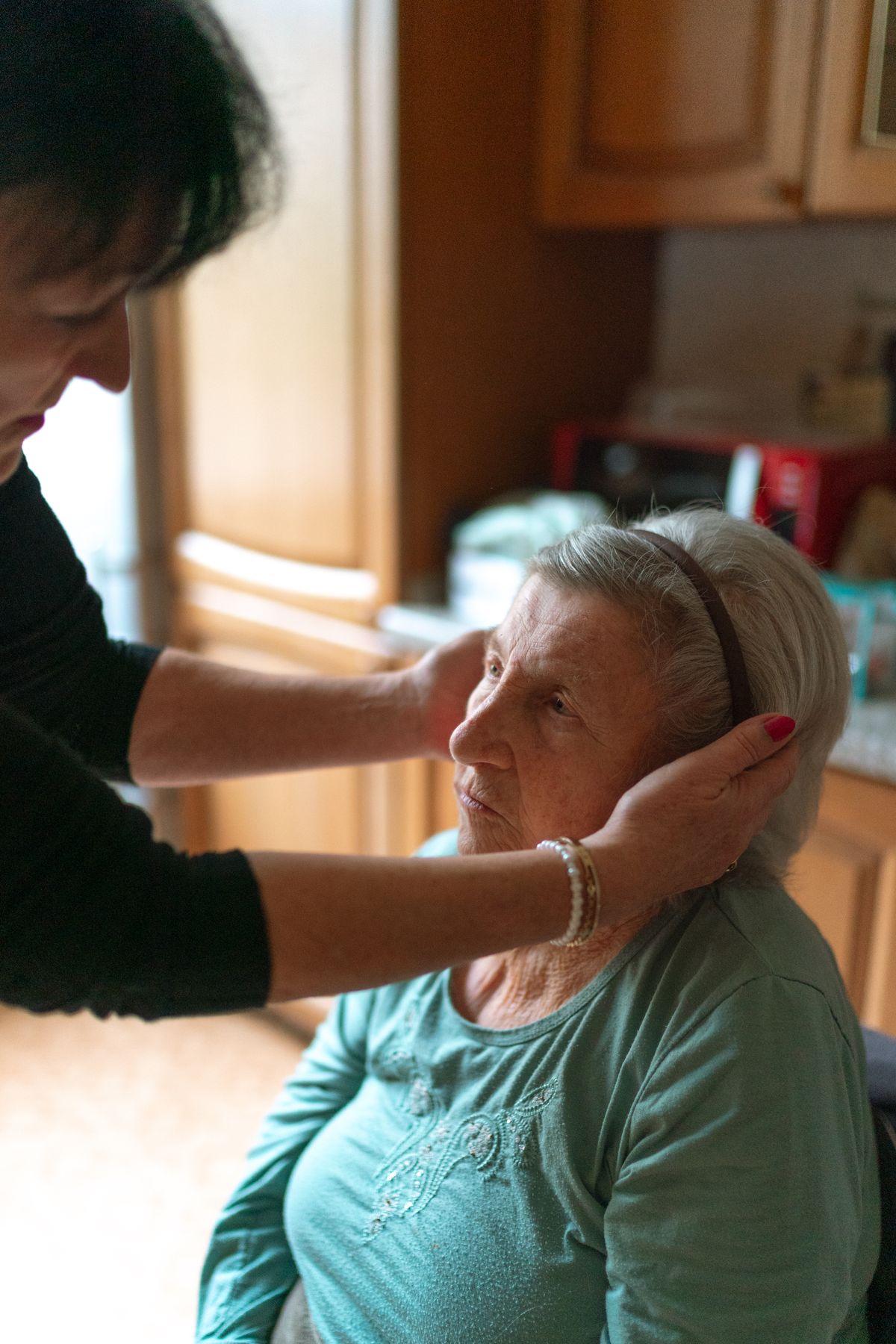
Medicare’s GUIDE respite benefit gives Orange County caregivers paid time to rest — and it resets every July 1.
What is the GUIDE Model?
GUIDE is an eight-year program run by the Centers for Medicare & Medicaid Services (CMS) that launched on July 1, 2024. It is designed to keep people with dementia living safely at home for longer while easing the crushing load on family caregivers. Instead of leaving families to piece together help on their own, GUIDE assigns each household a dedicated dementia care navigator and wraps a clinical team around them.
For an Orange County family, that means one knowledgeable person who knows your situation, answers the phone at 2 a.m. when your father is wandering, helps you build a care plan, connects you to community services, and — crucially — unlocks paid respite so you can rest. Every piece of it is provided at no charge to families who meet Medicare’s eligibility rules.
The $2,625 respite benefit resets July 1
This is the part that puts real dollars back into a caregiving household. Medicare reimburses GUIDE providers up to $2,625 per year, per patient, for respite (per CMS MLN Fact Sheet MLN7172818, PY2026) — temporary care that gives the primary caregiver a genuine break. That respite can take several forms: a trained caregiver coming into the home for a few hours or a few days, an adult day program, or a short stay in a care setting.
For many Orange County households, in-home respite is the most practical choice. It lets your loved one stay in familiar surroundings while you take a weekend, attend your own medical appointments, or simply sleep. This is precisely the kind of non-medical, in-home support At Home VA Staffing provides.

A GUIDE care navigator helps families turn benefits into a real plan — including paid respite at home.
What’s changing on July 1, 2026
Alongside the annual reset, CMS is rolling out new rules that mostly affect families whose loved one lives in — or is considering moving to — a residential setting. If your family member lives at home, these changes are good news: they reinforce that home-based respite remains fully covered. Here is the plain-language breakdown.
| What’s changing | What it means for your family |
|---|---|
| GUIDE providers must have an approved partnership with a Residential Care Community (RCC) before serving residents there | If your loved one lives in assisted living, confirm the facility’s GUIDE partner is in place. Home-based families are not affected. |
| RCC residents may receive most GUIDE services but are not eligible for GUIDE respite services | Respite dollars are aimed at family caregivers at home. Caregivers of RCC residents still get education and support. |
| Patients living in a memory care unit are no longer eligible for GUIDE as of July 2026 | CMS considers a secured memory care unit duplicative of GUIDE. Keeping a loved one at home preserves full access to the benefit. |
The through-line is clear: GUIDE — and especially its respite benefit — is built for people living in the community, supported by family. For the thousands of Orange County families caring for a loved one at home, that is exactly where the program delivers the most value.
Who qualifies for GUIDE?
Eligibility is straightforward, but every box has to be checked. A person with dementia qualifies if they:
| Requirement | Details |
|---|---|
| Has a dementia diagnosis | Alzheimer’s disease or another form of dementia, confirmed by a clinician |
| Is enrolled in Original Medicare | Both Part A and Part B (Medicare Advantage members are generally not eligible) |
| Is not in hospice or PACE | Cannot be enrolled in the Medicare hospice benefit or a PACE program |
| Does not live in a long-term nursing home | The model is built for people living in the community |
If that describes your loved one, the next step is connecting with a GUIDE participant. As of mid-2026 the list of participating providers in Southern California is growing, and At Home VA Staffing is pursuing GUIDE credentialing so Orange County families can access in-home respite locally.

GUIDE wraps a clinical team around the family — including medication management and care planning.
What GUIDE actually covers
Beyond respite, the program bundles together services that Orange County families usually have to chase down separately:
- A dedicated care navigator who knows your case and is your single point of contact.
- 24/7 access to a support line for crises and questions.
- A comprehensive assessment and care plan tailored to your loved one’s stage of dementia.
- Caregiver education and training so you feel equipped, not overwhelmed.
- Medication management and reconciliation coordinated with the primary doctor.
- Referrals and coordination of community and social services across the county.
- Respite — the paid breaks that protect your own health.
Taken together, that is a serious support system — and it is the kind of coordinated care our team has long believed dementia families deserve. If you want to go deeper on the program’s roots, see our earlier piece on the GUIDE Model and Medicare Advantage, and our guide to at-home Alzheimer’s care in Orange County.
What this means for Orange County families
Dementia caregiving is relentless, and Orange County families face it in large numbers. The combination of a fresh $2,625 respite benefit and rules that reward keeping a loved one at home creates a real window of opportunity this summer. With the recent sunset of California’s Care Corps volunteer respite program, GUIDE is now one of the strongest no-cost respite options left standing for OC dementia households.
Our advice is simple: confirm eligibility now, connect with a GUIDE provider, and build a plan to actually use your respite hours before the year runs out. Respite is not a luxury — caregiver burnout is one of the leading reasons families end up moving a loved one into a facility earlier than they wanted to.

Planning ahead in July is the difference between using the full benefit and watching it reset to zero.
Your July 1 GUIDE respite checklist
Quick quiz: How well do you know GUIDE?
Frequently asked questions
Yes. For Medicare beneficiaries who meet the eligibility criteria, GUIDE services — including the care navigator, care planning, caregiver education, and up to $2,625 in annual respite — are provided at no cost. Medicare pays the participating provider directly.
Yes. Respite can be delivered as in-home care, through an adult day program, or as a short stay in a care setting. For many Orange County families, in-home respite is the most comfortable option because the loved one stays in familiar surroundings.
GUIDE is built around Original Medicare (Parts A and B). Medicare Advantage members are generally not eligible. If respite and dementia support are priorities, it is worth reviewing whether Original Medicare fits your family’s situation during an enrollment period.
GUIDE providers now must have an approved partnership with a Residential Care Community before serving residents there, RCC residents are no longer eligible for GUIDE respite (though caregivers still get education and support), and people living in a secured memory care unit are no longer eligible for GUIDE. Families caring for a loved one at home keep full access.
Start by asking your loved one’s doctor or health system whether they participate in GUIDE. At Home VA Staffing is pursuing GUIDE credentialing to offer in-home respite locally — call us and we can help you understand your options across Orange County.
No. GUIDE is a Medicare program specifically for dementia. IHSS and Medi-Cal respite are separate California programs with their own eligibility rules. Some families may qualify for more than one — a care navigator can help you coordinate them without overlap.
Want help using your GUIDE respite at home?
At Home VA Staffing provides trusted, non-medical in-home care across Orange County — respite, companionship, personal care, and dementia support. We can help you understand your GUIDE options and put a real respite plan in place.
Talk to Our TeamOr call us directly at (213) 326-7452
This article is for general informational purposes only and does not constitute medical, legal, or financial advice. Program rules, eligibility, and benefit amounts for the CMS GUIDE Model are set by Medicare and may change. Confirm current details with Medicare or a participating GUIDE provider before making decisions for your family.
← Back to All Articles