
The Heat Wave Broke. For Orange County Seniors, the Danger Hasn’t.
Inland Orange County hit 100–110°F during last week’s Extreme Heat Warning. The temperatures have dropped — but for seniors, two of the biggest risks are only now surfacing.
The National Weather Service’s Extreme Heat Warning for inland Orange County lifted Thursday evening, and by this weekend, temperatures had settled back to seasonal averages. If you spent the last few days checking on an aging parent or neighbor and breathed a sigh of relief when the warning expired, that relief is understandable — but it may be premature.
Heat-related illness in older adults doesn’t always show up during the heat. It often shows up after, once the body’s reserves are already depleted. And a second, quieter risk from last week’s 100–110°F inland temperatures is only becoming apparent now: medications that sat in a warm bedroom, an un-air-conditioned car, or a garage during the warning may already be damaged, with no visible sign of it. Here is what Orange County families should be checking this week, even though the warning has passed.
Why the Danger Doesn’t End When the Warning Does
The Extreme Heat Warning covered inland Orange County from 10 a.m. Wednesday, July 15 through 8 p.m. Thursday, July 16, with coastal areas under a Heat Advisory for the same window. Inland highs reached the 100–110°F range; coastal areas stayed cooler, in the 80s to low 90s. By Friday, temperatures had already dropped 6 to 12 degrees, and this weekend is running at or below average.
That timeline matters, because heat illness in older adults doesn’t track neatly with the thermometer. A California study of emergency department visits among adults 65 and older found that both the duration and intensity of a heat event increase the odds of an older adult ending up in the ER — and the odds were highest, about 8.5% above ordinary days, for adults 65 and older living with three or more chronic conditions during the most extreme heat. Those ER trips are often serious: across all ER visits by Californians 65 and older in the same data, about one in three (33.8%) ended in a hospital admission rather than a same-day discharge. Age-related changes make this worse: older adults sweat less efficiently, feel thirst later, and are more likely to be on medications, like diuretics or blood pressure drugs, that affect the body’s ability to regulate heat and fluid balance. The result is a body that can still be running a fluid deficit, or recovering from heat strain on the kidneys and heart, well after the outside temperature has dropped.
Check Your Medications — Heat Damage Doesn’t Show
The second, less obvious risk from last week involves anything stored outside a climate-controlled room during the warning: a purse or bag left in a car, a bedroom without air conditioning, or a garage medicine cabinet. Several common medications degrade once they spend extended time above certain temperatures, and that damage is invisible — no smell, no discoloration you can reliably spot, no change in how the pill or injection looks.
| Medication | Safe Storage Range | What Heat Exposure Does |
|---|---|---|
| Insulin (most types) | Up to 86°F unrefrigerated (some types cap at 77°F) | Breaks down at a molecular level above threshold — loses potency without any visible change |
| EpiPen / epinephrine auto-injectors | 68–77°F ideal; never above 86°F, even briefly | Can lose potency within hours in a hot car; may fail when needed most |
| Thyroid medication (levothyroxine) | Room temperature, away from heat and humidity | Gradual potency loss with repeated heat exposure |
| Nitroglycerin tablets | Cool, dry place; sensitive to heat and light | Can lose effectiveness quickly once exposed to warm temperatures |
| Eye drops and liquid antibiotics | Typically room temperature or refrigerated per label | Heat can alter chemical stability faster than solid tablets |
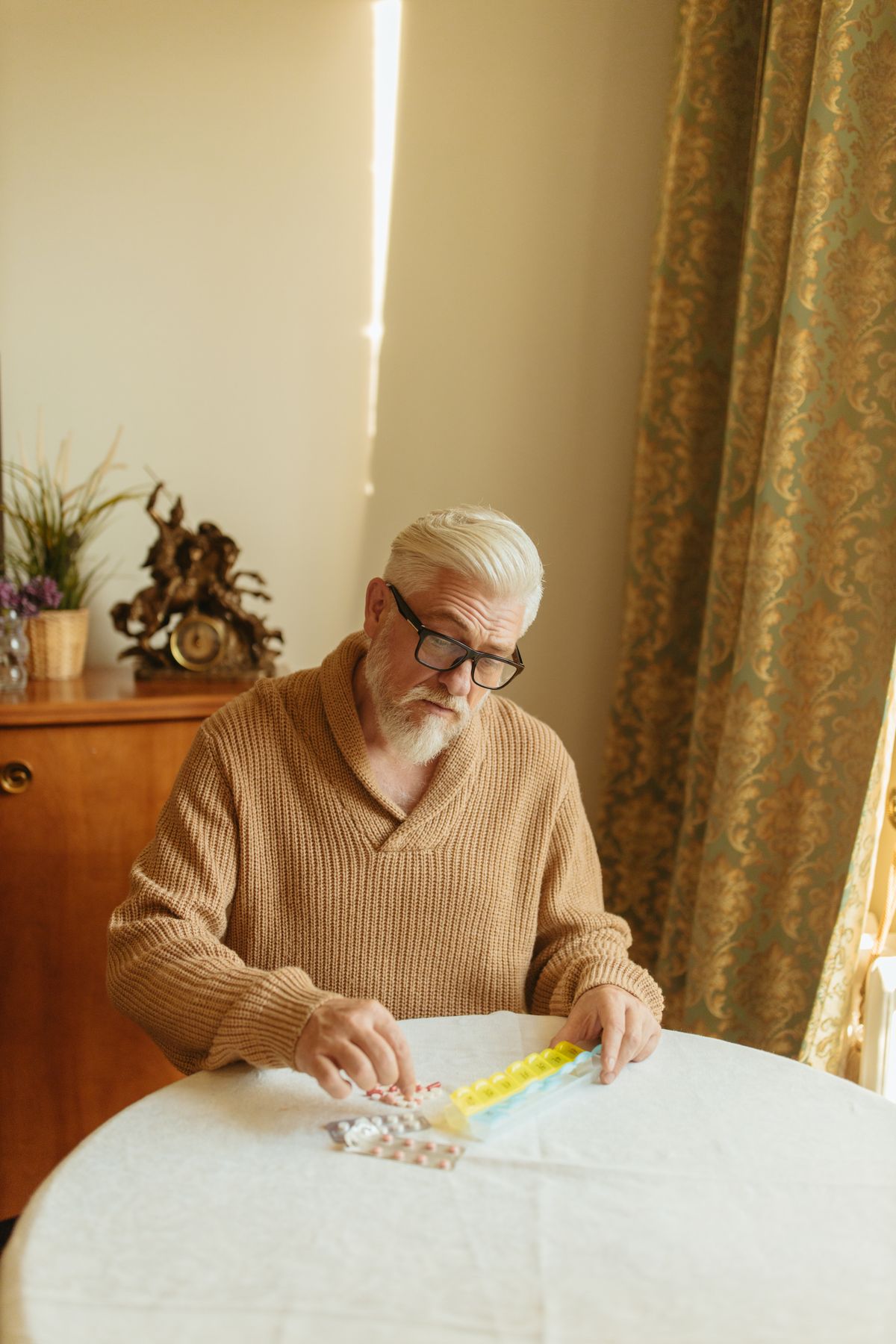
If a pill organizer, insulin pen, or EpiPen was in a hot room or car during last week’s warning, don’t guess whether it’s still good — call the pharmacist.
The safest move is not to try to judge a medication’s condition by looking at it. If insulin, an EpiPen, or any temperature-sensitive medication was left in a car, an un-air-conditioned room, or anywhere that may have exceeded its labeled storage range during the 48-hour warning, call the prescribing pharmacist or physician before the next dose. Most pharmacies can replace a compromised supply quickly, and many insurance plans allow for early refills when heat exposure is documented as the reason.
Watch for Dehydration That Shows Up Late
Dehydration in older adults is easy to miss because the classic signal, thirst, is often blunted with age. By the time an older adult feels thirsty, they may already be meaningfully dehydrated. After a multi-day heat event, that deficit can take a day or two of normal fluid intake to fully correct, and in the meantime the body is more vulnerable to dizziness, falls, and confusion.
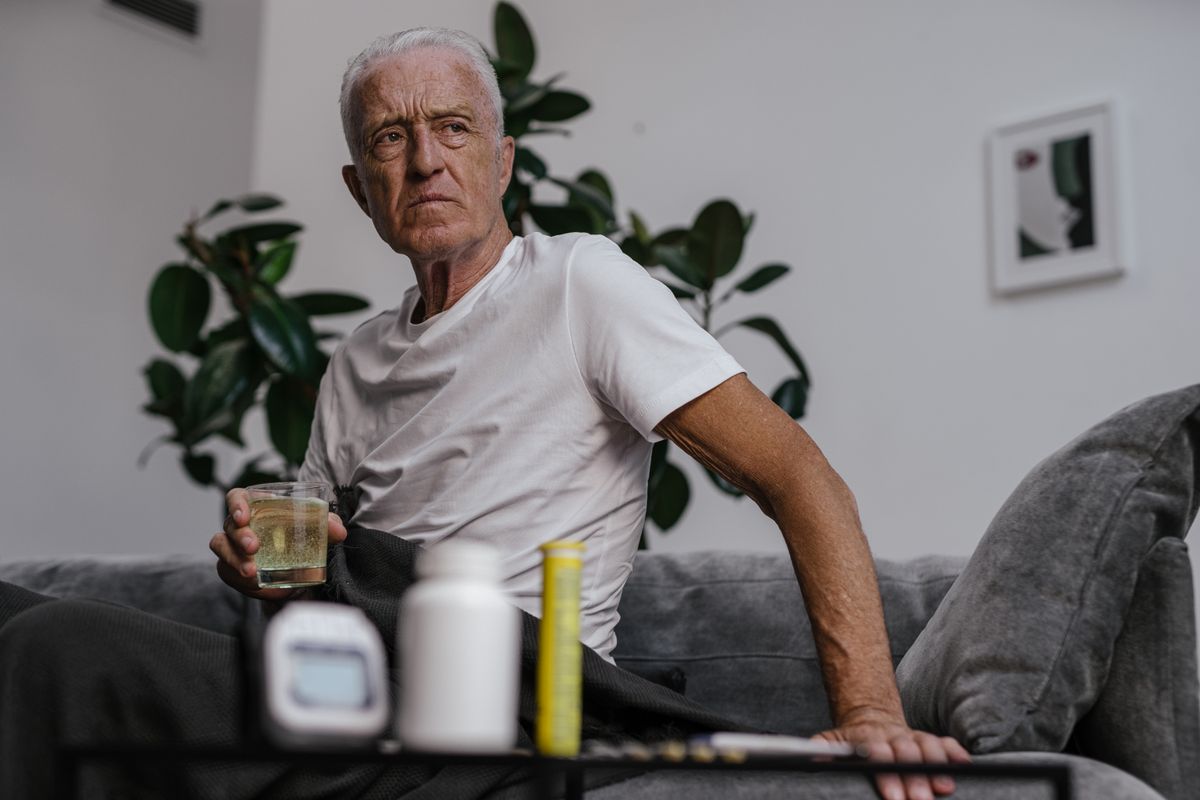
Encourage steady fluid intake for a few days after any heat event, even once the weather has cooled — not just water in the moment, but a consistent pattern through the following days.
Signs it’s worth a same-day call to the doctor
- New confusion, disorientation, or unusual difficulty finishing a sentence
- Dizziness or lightheadedness when standing up
- Noticeably darker urine or much less urination than usual
- Rapid heartbeat or breathing at rest
- Muscle cramps that appeared in the days after the heat, not just during it
What to Do This Week
Whether you’re a family caregiver checking in remotely or an in-home caregiver seeing your client daily, work through this list over the next 48 hours.
- Ask directly about confusion, dizziness, or unusual fatigue over the last two days — don’t just ask “how are you feeling,” ask about each symptom by name
- Check whether any insulin, EpiPen, or temperature-sensitive medication was left in a hot car, room, or garage during July 15–16
- If any medication was exposed, call the pharmacist before the next dose — don’t guess based on appearance
- Encourage water or an electrolyte drink through the day, not just when thirst is mentioned
- Note urine color and frequency as a simple hydration check
- Watch for a racing heartbeat or shortness of breath at rest
- Check in again tomorrow — delayed heat illness can appear a full day or two after temperatures drop
- Confirm the home’s air conditioning or fans are working properly ahead of the next heat event
- Save the pharmacist’s direct line and a heat-illness urgent care option in your phone now, before you need it
- Call At Home VA Staffing if your loved one needs daily wellness checks or in-home support through OC’s remaining summer heat events

A daily check-in, by phone, video, or an in-person visit, is often what catches delayed heat illness before it becomes an ER visit.
Test Your Knowledge: Heat Wave Aftermath
Answer each question to see the correct response instantly.
1. How long after a heat wave can symptoms of heat illness first appear in an older adult?
2. Above what temperature can insulin start to lose potency?
3. In the California study, which older adults had the highest odds of an ER visit during extreme heat?
4. If an EpiPen may have been left in a hot car during the heat wave, what should you do?
5. Why is dehydration risk higher for seniors even after a heat wave ends?
Frequently Asked Questions
Need Daily Check-Ins or In-Home Support This Summer?
At Home VA Staffing provides in-home caregivers across Orange County who can spot the early, easy-to-miss signs of heat-related illness and help keep medications properly stored all season long. Whether you need daily wellness visits or ongoing personal care, we’re here to help.
Talk to Our Team · (213) 326-7452*ER-odds statistic reflects California adults 65 and older with three or more chronic conditions on the most extreme (99th-percentile) heat days compared with non-heat days; the 33.8% admission share covers all ER visits by Californians 65 and older. Both figures are from a peer-reviewed analysis of statewide ED data, 2012–2019 (Medicina, 2024). Medication storage temperatures reflect general manufacturer guidance and can vary by specific product; always follow the storage instructions on your prescription label. This article is for general informational purposes only and does not substitute for medical advice. If you suspect heat stroke, dial 911 immediately. For questions about a specific medication’s condition, contact your pharmacist or physician directly.
← Back to All Articles