Saturday, October 31 brings the doorbell, the porch light, and a parade of costumed strangers to front doors across Orange County. For a family caring for someone living with dementia, that is already a full evening. Then, at 2 a.m. the very next morning, California’s clocks fall back for the end of Daylight Saving Time. Six in 10 people living with dementia will wander at least once, according to the Alzheimer’s Association, and the early-evening hours — exactly when trick-or-treaters are out — are also when sundowning confusion tends to set in. Here is what makes this particular 36 hours different, what California’s Silver Alert law actually requires if your loved one goes missing, and how to get your home and your plan ready before the first knock on the door.
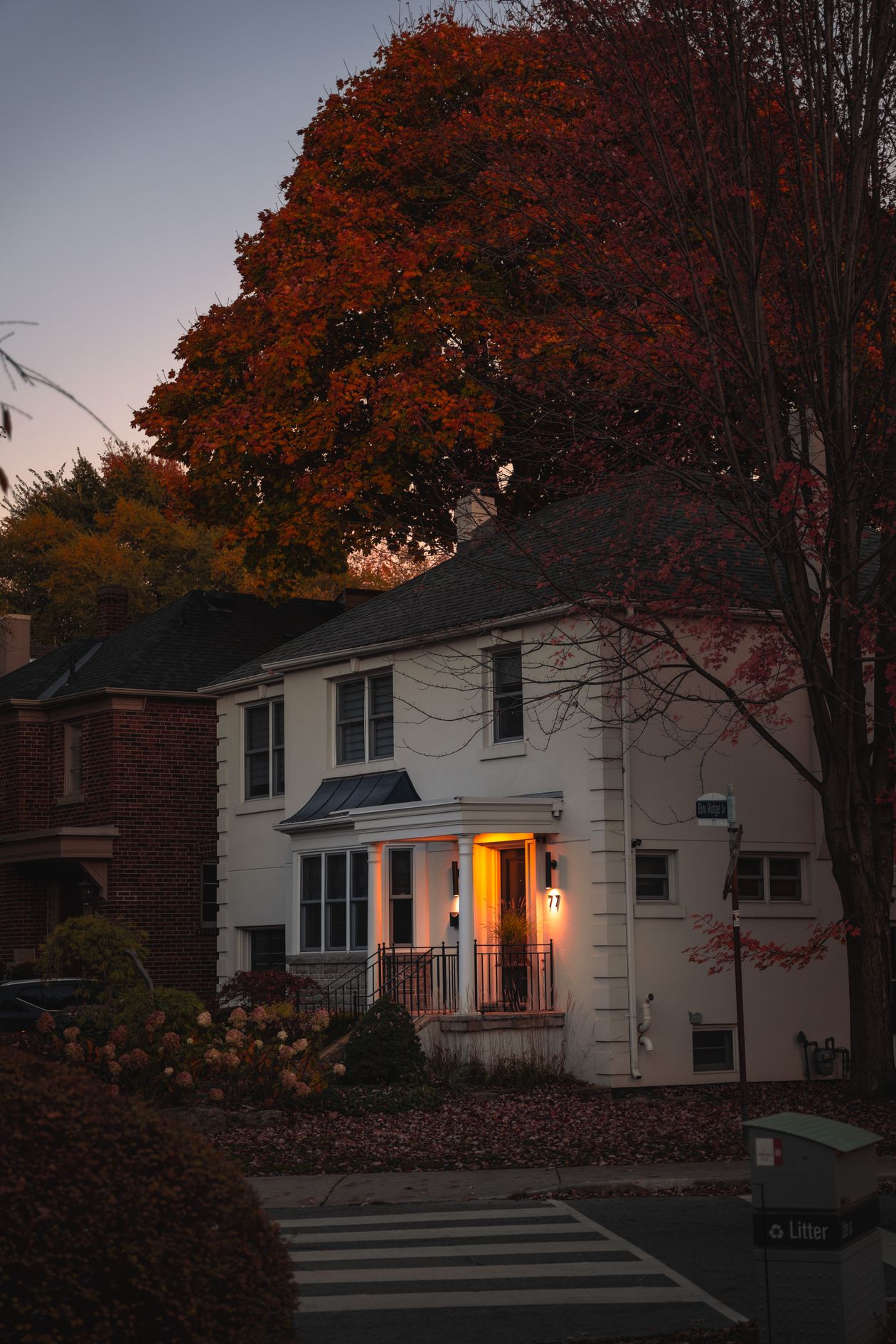
A porch light left on for trick-or-treaters turns a quiet street into exactly the kind of busy, unpredictable scene dementia safety guidance says to avoid.
A 36-Hour Stack: Why This Halloween Is Different
Every year, Halloween night and the end of Daylight Saving Time land close together on the calendar. In 2026, they land about as close as they can. Halloween falls on Saturday, October 31 — a Saturday means more trick-or-treaters out longer, since there is no school or work the next morning to cut the evening short. Clocks “fall back” one hour at 2:00 a.m. on Sunday, November 1, under the federal Uniform Time Act, which sets the end of Daylight Saving Time at 2 o’clock antemeridian on the first Sunday of November each year.
That means a household gets almost no recovery time. The evening of heaviest foot traffic, repeated doorbell rings, and costumed strangers happens Saturday night. Before anyone’s sleep schedule has settled back down, the clock itself moves. For a family managing dementia-related sundowning — the late-afternoon-into-evening uptick in confusion, agitation, or restlessness that many caregivers describe — that is two disruptions stacked on top of each other instead of one. We go deep on the clock-change half of this in Sundowning and the Clock Change: Why November 1 Is Hard for OC Families Living With Dementia. This article focuses on the piece that guide doesn’t cover: what Halloween night itself does to wandering risk, and what California law actually requires if the worst happens.
Why Halloween Night Inverts the Standard Safety Advice
The Alzheimer’s Association publishes a short list of everyday steps to reduce wandering risk. Read against an ordinary Tuesday, the advice is simple. Read against Halloween night, nearly every item is working in the opposite direction.
| Standard Dementia Safety Guidance | What Happens on Halloween Night |
|---|---|
| “Avoid busy places that are confusing and can cause disorientation.” | The front porch becomes one — a stream of strangers in costume, often for two to three hours straight. |
| Keep a predictable, calm evening routine. | The doorbell rings every few minutes, repeatedly, from dusk until the candy runs out. |
| “Identify the time of day the person is most likely to wander” — for people who sundown, “this may be starting in the early evening.” | Trick-or-treat hour, roughly 5:30 to 8:30 p.m. in most OC neighborhoods, falls squarely inside that same window. |
None of this means Halloween has to be cancelled at your house. It means the ordinary precautions that work on a quiet evening need a Halloween-specific version, which we walk through below.
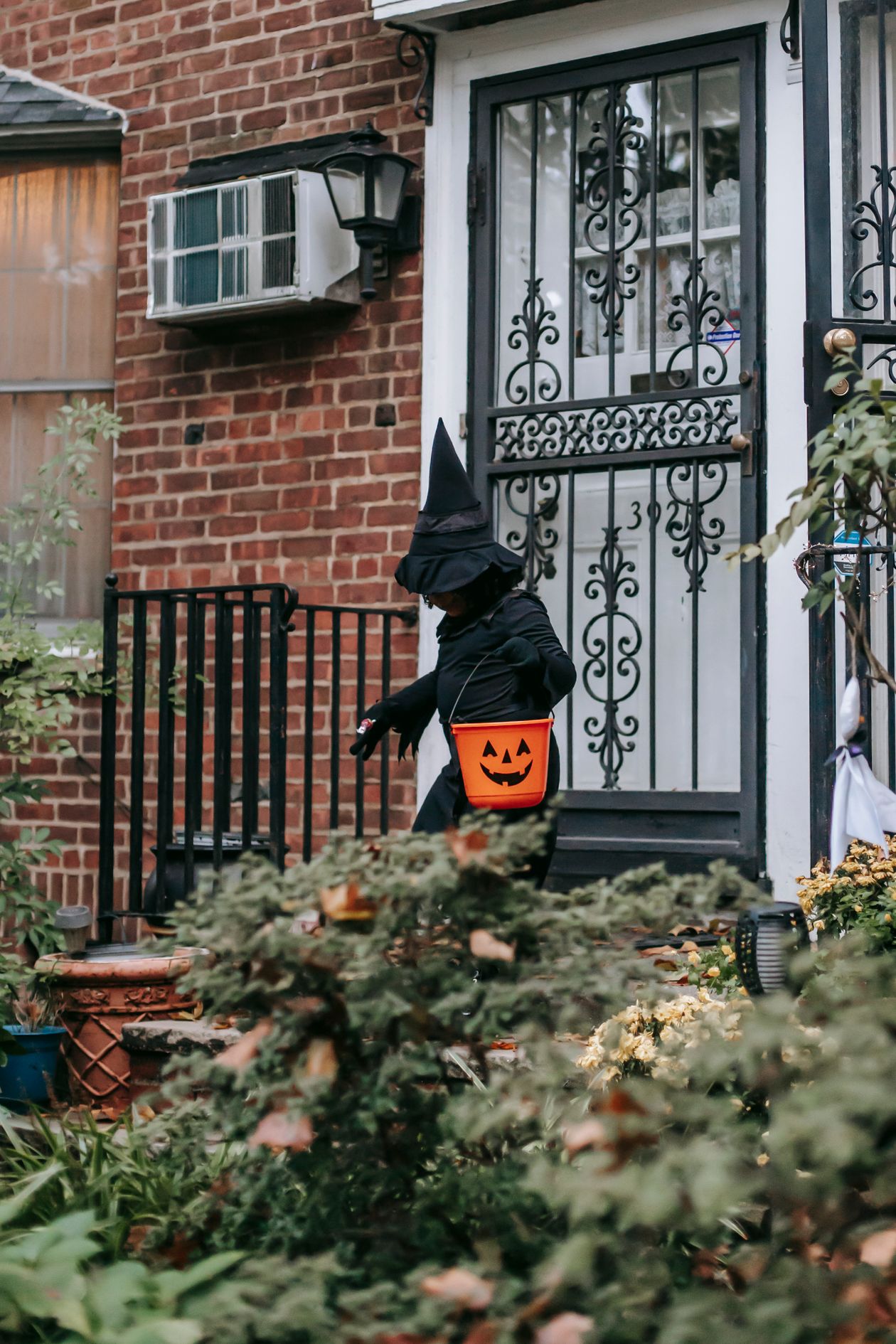
A steady stream of costumed visitors at the door, repeated for hours, is the exact scenario dementia guidance tells families to avoid — it just doesn’t usually show up on a Tuesday.
If Your Loved One Wanders: What the Alzheimer’s Association Recommends
Wandering is common enough that it is worth having a plan before Halloween, not after. The Alzheimer’s Association’s guidance on wandering is direct:
Two practical takeaways follow directly from that guidance. First, 15 minutes is not very long — if your loved one is not where you expect them within that window, the clock to call 911 has already started. Second, a close, fast, organized search of the immediate neighborhood is usually more productive than driving a wide loop, since most people who wander are found relatively close to home.
California’s Silver Alert Law: What It Actually Requires
Many families assume a “Silver Alert” works like an Amber Alert for seniors — something a family member can request directly. California’s Silver Alert statute, Government Code Section 8594.10, does not work that way.
The law covers a person “who is 65 years of age or older, developmentally disabled, or cognitively impaired, and who is reported missing.” Notably, the statute never uses the word “dementia” or “Alzheimer’s” — it uses the broader term “cognitively impaired,” which the responding law enforcement agency applies based on what they observe and what the family reports.
The key limitation is in who can act. Under the statute, it is the investigating law enforcement agency — not the family — that “may request the Department of the California Highway Patrol to activate a Silver Alert.” The CHP must concur, and the law enforcement agency’s request is only appropriate once a specific set of conditions is met.
| What Families Often Assume | What the Statute Actually Says |
|---|---|
| A family member can call and request a Silver Alert directly. | Only the investigating law enforcement agency can request activation, and the CHP must concur. |
| Any missing senior qualifies automatically. | The agency must find that several specific conditions are all true first — among them, that “the investigating law enforcement agency has utilized all available local resources” and that “the person has gone missing under unexplained or suspicious circumstances.” |
| The law is written around a dementia diagnosis. | The statute’s language is “cognitively impaired” — it does not mention dementia or Alzheimer’s by name. |
It is worth being precise about what that second condition means in practice. Law enforcement agencies routinely do treat the disappearance of a person with cognitive impairment as meeting the “unexplained or suspicious” standard — the finding is a judgment call made in the moment, not a hurdle designed to screen families out. The accurate way to describe this law is not “Silver Alerts don’t cover dementia.” It is: a Silver Alert is a tool law enforcement can use, under conditions they assess, once they are already involved — which is exactly why calling 911 immediately, rather than waiting or trying to resolve it privately, is the step that puts that tool within reach.
One more detail matters locally: the statute’s “developmentally disabled” prong is a separate, independent basis for a Silver Alert request, distinct from the “cognitively impaired” prong. For Orange County families connected to the Regional Center of Orange County, that means an adult with a developmental disability who goes missing can qualify under this law on that basis alone, regardless of any dementia diagnosis.
The Morning After: Why the Clock Change Makes a Hard Night Harder
However Halloween night goes, the household wakes up Sunday to clocks that moved back an hour overnight. For many people living with dementia, the internal sense of time depends heavily on external cues — daylight, meal timing, a caregiver’s routine — and an abrupt one-hour shift in those cues can unsettle sleep and increase evening confusion for several days afterward. We cover the mechanics of that adjustment, and how to ease it, in full in our dedicated clock-change guide. The practical point for this week specifically: if Saturday night was eventful, plan for Sunday to be a deliberately quiet, low-stimulation day, and keep caregiving coverage as consistent as possible through the adjustment rather than introducing a new face during an already disrupted stretch.
Preparing Your Home and Your Plan Before October 31
Most of what helps on Halloween night is ordinary preparation, done a few days ahead rather than at 5 p.m. on the 31st.
- Change how the door gets answered. Set up a candy station at the end of the driveway or at a small table on the lawn, staffed by someone other than the person with dementia, so they aren’t the one opening the door every few minutes.
- Keep the inside calm even while the porch is busy. Normal lighting, normal television or music, and a familiar chair go a long way toward keeping the disruption contained to the yard.
- Put identification on before the evening starts. A GPS tracker, an AirTag in a pocket, or a medical ID bracelet is the practical backstop given that a family cannot request a Silver Alert directly — it buys time and narrows a search while 911 and local law enforcement get involved.
- Loop in a neighbor or two. A quick text with a current photo and “if you see Dad walking alone tonight, please call me” costs nothing and adds eyes on the street.
- Set clocks back before bed. Most phones and cable boxes update automatically, but stand-alone clocks, microwaves, and car dashboards do not — check them Saturday night, not Sunday morning.

Standalone clocks don’t update themselves — set them back before bed Saturday rather than discovering the hour shift Sunday morning.
Your Halloween & Clock-Change Checklist
Click each step as you finish it.
- Take a current photo on your phone and note exactly what your loved one is wearing for the evening
- Decide in advance who is “on doorbell duty” so your loved one isn’t answering it repeatedly
- Set up a driveway or porch-edge candy station instead of opening the front door all evening
- Confirm exterior doors have a chime, alarm, or bell that alerts you if one opens
- Put a GPS tracker, AirTag, or medical ID bracelet on before trick-or-treat hour begins
- Share a current photo and description with one or two trusted neighbors
- Keep indoor lighting, television, and routine as normal as possible, even with the porch lit up
- Set standalone clocks, microwaves, and car dashboards back an hour before bed Saturday
- Plan a quiet, low-stimulation Sunday to help the household recover
- Save the non-emergency police line in your phone, and remember: if your loved one isn’t found within 15 minutes, the right call is 911
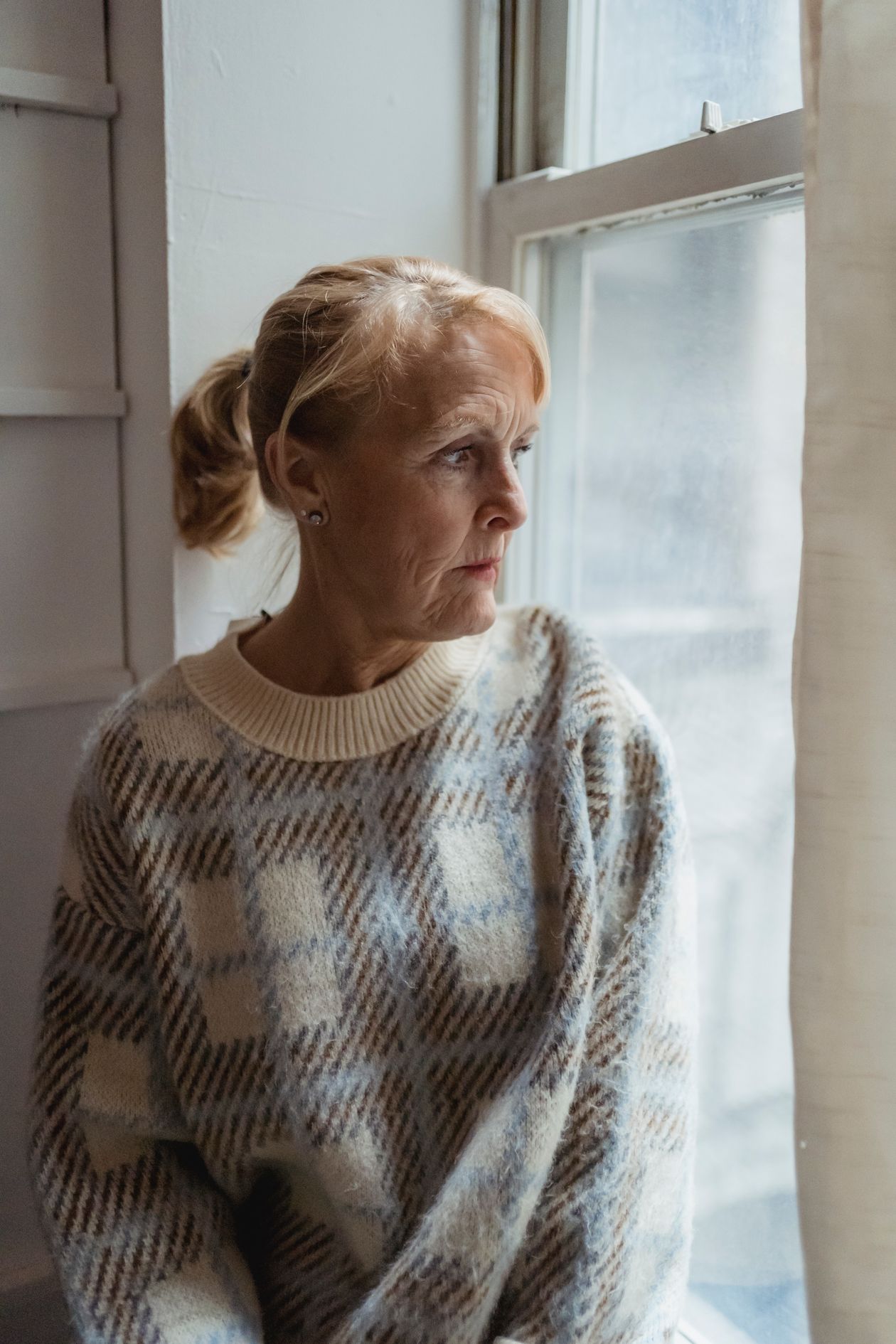
Evening is exactly when sundowning confusion tends to rise — which is also exactly when Halloween night asks the most of a household’s routine.
Test Your Knowledge
Frequently Asked Questions
Not directly. Under Government Code Section 8594.10, only the investigating law enforcement agency can request that the CHP activate a Silver Alert, and several conditions must be met first, including that the agency has already used all available local resources and that the disappearance is under unexplained or suspicious circumstances. The step that gets you there is calling 911 right away, not waiting to see if the Silver Alert process applies.
No. The statute’s language is “cognitively impaired,” a broader term that the responding officer applies based on what they observe and what you report about your loved one’s condition. It does not list dementia or Alzheimer’s by name.
Consider staffing a candy station at the driveway or yard’s edge instead of the front door, with someone other than your loved one handling it. That keeps the repeated doorbell, costumed strangers, and open-door moments from becoming the evening’s main event for the person most likely to be unsettled by them.
Yes. Government Code Section 8594.10 covers people who are “developmentally disabled” as a separate, independent basis from “cognitively impaired.” An RCOC-connected adult who goes missing can qualify under the developmental-disability prong on its own.
It can compound it. The one-hour shift in daylight and routine cues lands the morning after the most disruptive evening of the fall, with little recovery time in between. We cover how to ease that transition in our companion guide, Sundowning and the Clock Change.
A short-term increase in evening or overnight caregiver hours around Halloween and the time change can mean an extra set of eyes during the exact window when wandering risk and sundowning overlap. At Home VA Staffing can typically place additional coverage on short notice — call (213) 326-7452 to talk through what that would look like for your household.
More on Dementia Care in Orange County
- Sundowning and the Clock Change: Why November 1 Is Hard for OC Families Living With Dementia
- World Alzheimer’s Month 2026: Why an Early Diagnosis Matters for Orange County Families
- Alzheimer’s & Brain Awareness Month 2026: What Every Orange County Family Should Know
An Extra Set of Eyes for Halloween Week
At Home VA Staffing provides non-medical in-home care across Orange County, including evening and overnight hours for exactly this kind of stretch. If you’d like an extra caregiver on hand for Halloween night or the days around the time change, we can talk through options quickly.
Talk to Our Team: (213) 326-7452Proudly Serving Orange County Communities
This article is for general informational purposes and is not legal or medical advice. It summarizes guidance published by the Alzheimer’s Association on wandering, and California Government Code Section 8594.10 (the Silver Alert statute) as currently in effect. Silver Alert eligibility and activation are determined case-by-case by the investigating law enforcement agency and the California Highway Patrol; nothing here guarantees a Silver Alert will be requested or activated in any specific situation. If your loved one goes missing, call 911 immediately. At Home VA Staffing is a non-medical home care agency and is not affiliated with the Alzheimer’s Association, the California Highway Patrol, or any law enforcement agency.