
When clocks fall back on November 1, Orange County loses nearly 90 minutes of evening daylight almost overnight — and for families caring for a loved one with dementia, that sudden darkness can make sundowning noticeably worse.
If someone in your family living with Alzheimer’s or another form of dementia already gets more restless, confused, or anxious as afternoon turns into evening, mark your calendar: daylight saving time ends at 2 a.m. on Sunday, November 1, 2026, when clocks fall back one hour. It sounds like a minor inconvenience — an extra hour of sleep, a slightly earlier sunset. But for a brain already struggling to read the difference between day and night, losing an hour of light in the late afternoon can turn a manageable evening into a genuinely difficult one. This is a real, well-documented seasonal pattern that is not widely known, and we want the Orange County families we serve to know how to get ahead of it. Here is what sundowning actually is, why the clock change makes it worse, and a concrete plan for the two weeks before November 1.
What Sundowning Actually Is
Sundowning, sometimes called “late-day confusion,” is a cluster of symptoms — increased confusion, agitation, anxiety, pacing, and difficulty distinguishing dreams from reality — that tends to appear or intensify in the late afternoon and evening in people living with Alzheimer’s disease or other dementias. The Alzheimer’s Association estimates that up to 20 percent of people with Alzheimer’s experience this pattern at some point. Researchers don’t point to one single cause; instead, it appears to be a combination of a damaged internal body clock (the circadian rhythm), fatigue built up over the day, and changing light and shadow that can make a familiar room look unfamiliar or threatening. Whatever the exact mechanism, families who live with it already know the pattern: mornings are calmer, and something shifts as the light starts to fade.
Why the Clock Change Makes It Worse
The end of daylight saving time doesn’t just move the clock — it moves the sun. In the weeks before November 1, sunset in Orange County drifts later into the evening as it does every fall, landing around 6:00 p.m. by late October. The moment clocks fall back, that same sunset time jumps to roughly 4:50 p.m. — a swing of nearly an hour and a half in perceived daylight, compressed into a single weekend instead of spreading out gradually. For a brain that already has trouble reading the transition from day to night, that abrupt jump is a much bigger disruption than the slow seasonal drift the rest of us barely notice. The household’s whole rhythm shifts overnight: dinner, medication times, and the evening wind-down routine all now happen in the dark instead of daylight, right as the body’s internal clock is already its most unreliable.
| Orange County Evening | Late October (Before Nov 1) | Early November (After Nov 1) |
|---|---|---|
| Approximate sunset time | Around 6:00 PM | Around 4:50 PM |
| Daylight remaining at 5 PM | About an hour | Already dark |
| Typical sundowning symptom window | Late afternoon into evening | Starts noticeably earlier |
| Evening routine (dinner, meds, wind-down) | Still in daylight | Shifts into darkness |
Preparing a Loved One’s Schedule Before November 1
The families who handle this transition best don’t wait for the weekend of the change — they start shifting the household’s rhythm gradually, about two weeks ahead of time. Moving mealtimes, medication schedules, and bedtime by 10 to 15 minutes a day over those two weeks gives an already-fragile internal clock a much gentler ramp than a single one-hour jolt. Increasing bright light exposure in the morning and early afternoon — a walk outside, sitting near a sunny window, or simply keeping indoor lights brighter during the day — helps reinforce the body’s sense of when daytime is, which in turn can make the evening transition less jarring. As the afternoon light starts to fade, turning on indoor lights before the room actually gets dim (rather than waiting until it’s noticeably dark) removes one of the visual cues — deepening shadows — that can trigger confusion or fear in the first place.

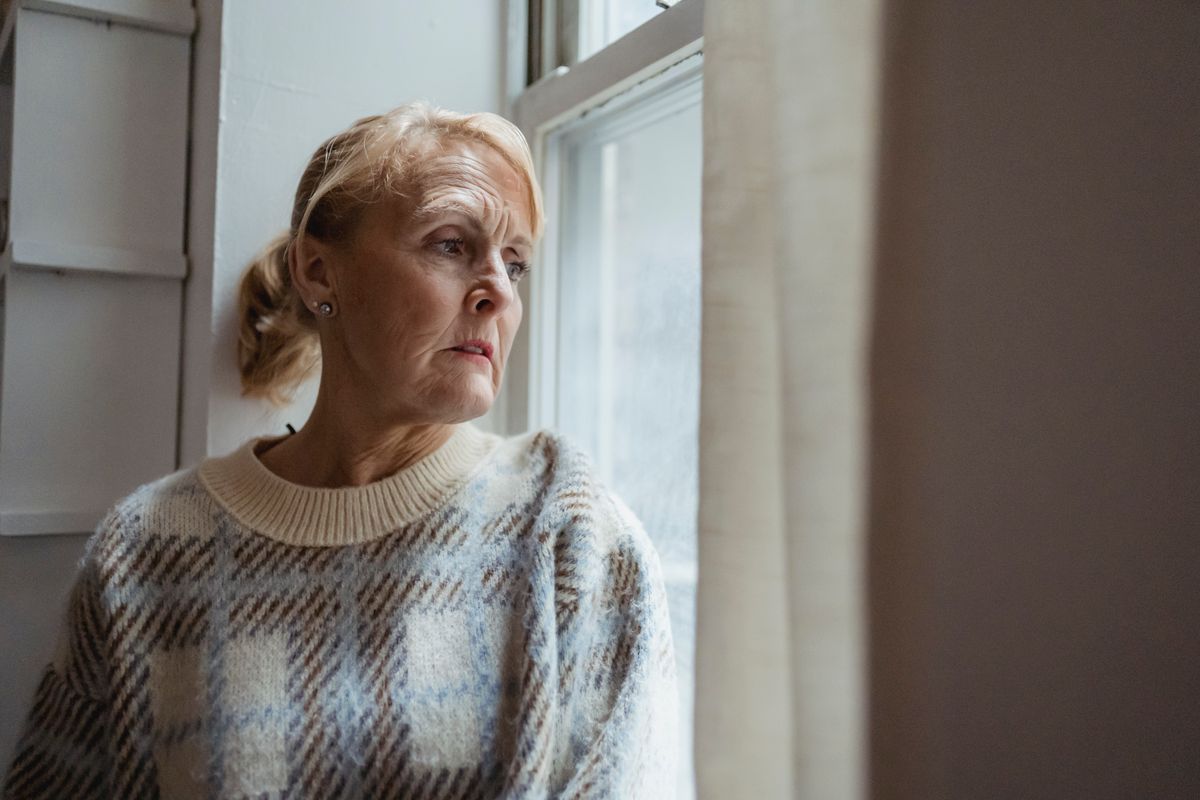
Increased agitation, tearfulness, or confusion in the late afternoon and evening is the clearest sign of sundowning — and it tends to intensify in the days right after the clocks change.
How AHVA Caregivers Help Orange County Families Through This
Evening is exactly when many family caregivers are also at their most stretched — making dinner, managing their own kids’ schedules, or simply running out of patience after a long day, right as their loved one is having the hardest hour of theirs. AHVA’s in-home caregivers can be scheduled specifically for the late-afternoon-through-evening window, providing a calm, familiar presence during the exact hours sundowning tends to peak, whether that’s a few afternoons a week or daily coverage through the darker winter months. This kind of targeted respite — covered in more detail in our guide to the benefits of respite care — gives the primary caregiver room to handle dinner and their own evening without also managing a loved one’s peak agitation window alone. For families further along in a dementia diagnosis, our guide to the GUIDE Model dementia care program and our overview of at-home Alzheimer’s treatment options cover the broader landscape of local support.

Daylight saving time officially ends at 2 a.m. on Sunday, November 1, 2026 — clocks fall back one hour.
Your 14-Day Prepare-Ahead Checklist
Start this list around October 18, roughly two weeks before the clocks change, and work through it gradually rather than all at once.
- Mark October 18 on the calendar as the day to begin a gradual schedule shift, 14 days ahead of November 1
- Move mealtimes 10–15 minutes earlier each day rather than shifting the whole schedule at once
- Shift medication times gradually along the same 10–15 minute-per-day pace (confirm with a physician first if timing is medically sensitive)
- Add morning and early-afternoon bright light exposure — a short walk, time by a sunny window, or brighter indoor lighting
- Turn on indoor lights before the room visibly dims in the late afternoon, rather than waiting until it’s dark
- Reduce caffeine after lunchtime and limit long naps that push bedtime later
- Keep the evening routine simple and predictable — the same order of activities each night, without new or overstimulating tasks
- Schedule any appointments, outings, or errands earlier in the day rather than late afternoon
- Arrange extra in-home support, family coverage, or respite care specifically for the late-afternoon-to-evening window through November
- Talk with your loved one’s physician before the change if symptoms are already significant, especially before adjusting any medication timing
Test Your Knowledge: Sundowning and the Time Change
Answer each question to see the correct response instantly.
1. What is “sundowning”?
2. When does daylight saving time end in 2026?
3. Roughly how much earlier does the sun set in Orange County right after the clocks fall back, compared to late October?
4. When should families ideally start gradually shifting mealtimes, medication, and bedtime ahead of the change?
5. According to the Alzheimer’s Association, roughly what share of people with Alzheimer’s experience sundowning?
Frequently Asked Questions
Need Extra Support Through the Evening Hours?
At Home VA Staffing provides in-home caregivers for Orange County families managing dementia and sundowning, including coverage specifically scheduled for the late-afternoon-to-evening window. If the time change has you thinking ahead to a harder winter, we’re here to help you plan for it.
This article provides general educational information about sundowning and the end of daylight saving time (November 1, 2026) based on publicly available guidance from the Alzheimer’s Association and standard circadian-rhythm research, as of September 15, 2026. It is not medical advice. Every person with dementia is different; consult your loved one’s physician or a geriatric care specialist before making changes to schedules, medication timing, or supplements. AHVA is a licensed non-medical home care organization and does not provide medical or clinical treatment.