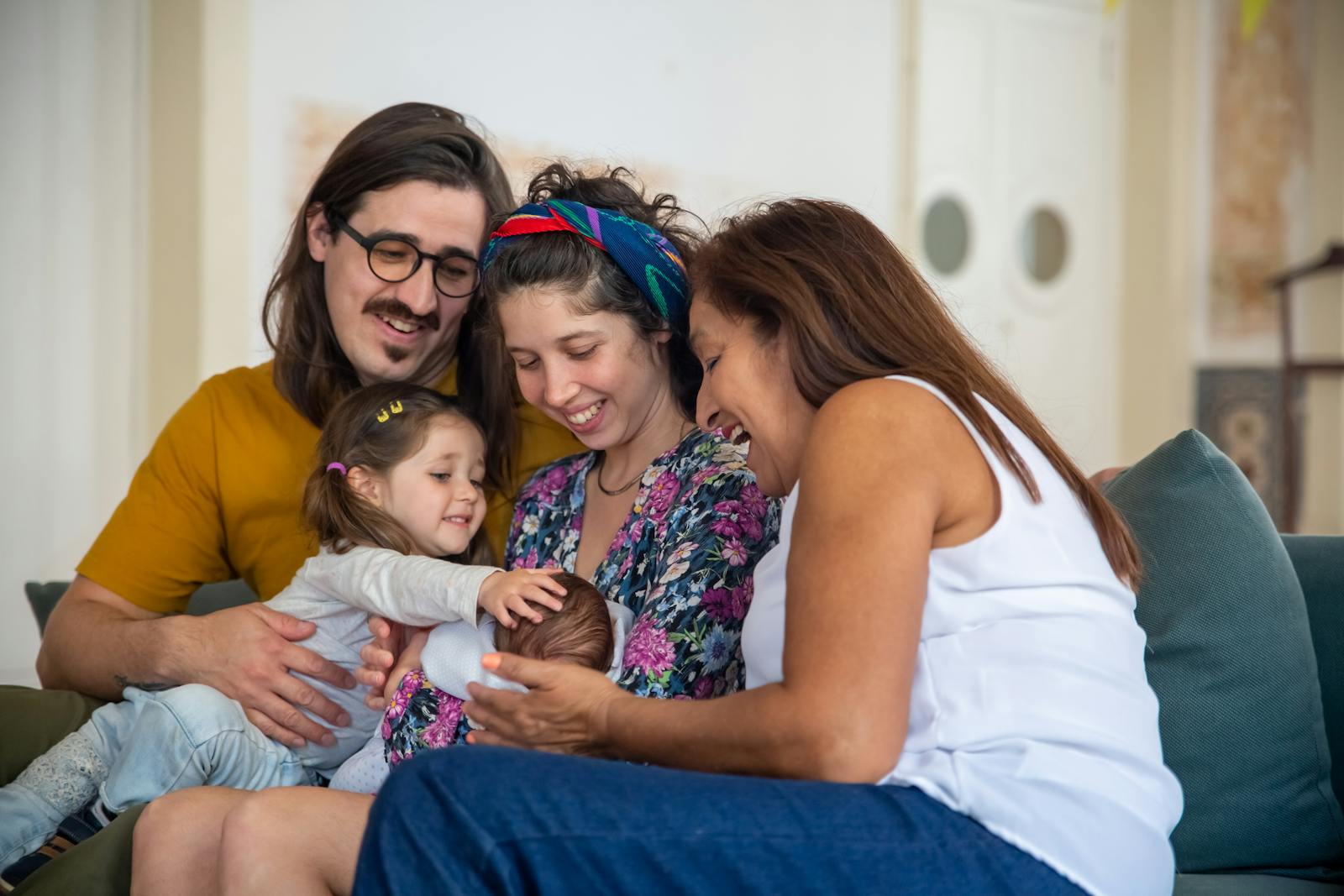
If you spent last Saturday driving your mom to a cardiologist appointment in Fountain Valley, then racing home to take your 12-year-old to a travel soccer tournament in Anaheim — you are the Orange County sandwich generation. You are also, according to new 2026 data, nearly half of every OC neighborhood between Fullerton and Mission Viejo. This guide pulls together the latest research, the local programs you probably don’t know exist, and a practical plan for getting your life back without abandoning anyone who depends on you.
Why Orange County Is a Sandwich Generation Hotspot
Orange County has two traits that the rest of the country doesn’t: the median home price is still above $1.3 million, and the 65+ population is projected to hit 720,000 by the end of 2026. When housing is this expensive, adult children stay in their parents’ zip codes instead of moving away — so when mom or dad needs help, that help usually comes from someone who also has a middle-schooler and a mortgage.
A National Profile of Sandwich Generation Caregivers published this spring found that 1 in 4 U.S. adults now provides unpaid care to both an older adult and a child in the same household. In Orange County, with its concentrated senior population and multi-generational housing patterns, local social workers we spoke with estimate the number is closer to 1 in 3.
We cover a related national data point in our article on the $1 trillion in unpaid family caregiving. The sandwich generation carries a disproportionate share of that number — and almost all of them hit a breaking point in their second year of caregiving.

The Real Cost of Being in the Middle
The April 2026 coverage following reporting on the sandwich generation put dollar numbers behind the exhaustion most families already feel. Out-of-pocket spending averages $10,525 a year. Time investment averages 30 hours a week — effectively a second job that pays nothing.
The career hit is where OC families get blindsided. In our state, where many households need two incomes just to carry the mortgage, these percentages from the latest Guardian sandwich-caregiver study translate directly into lost retirement savings:
| Career Change Since Becoming a Caregiver | % of OC-Age Sandwich Caregivers | Estimated Lifetime Income Impact |
|---|---|---|
| Shifted from full-time to part-time | 27% | $230,000–$410,000 |
| Turned down a promotion | 16% | $180,000–$350,000 |
| Stopped working entirely for a period | 16% | $300,000–$600,000+ |
| Used PTO/sick leave for caregiving | 54% | Variable (vacation forfeited) |
| Declined relocation for a better job | 19% | $100,000–$250,000 |
Who pays this bill? Disproportionately, OC women. Nationwide data shows 60% of sandwich caregivers are women, and they log 45 more minutes per day on care tasks than men in the same role. Every daughter, daughter-in-law, and stepmom reading this should know: the financial and emotional cost is not equally distributed, and you are not imagining it.
The Five Pressure Points Every Sandwich Caregiver Hits

1. The Calendar Collision
Your dad’s neurology appointment at UCI Health is the same day as your daughter’s orthodontist fitting in Tustin. You pick one. You feel guilty about the other for a week.
2. The Sunday-Night Spiral
You finish grocery-shopping for your mom’s house on the way home from your own grocery run. You do two loads of laundry for her apartment on top of your own family’s. By 9pm you’re crying in the garage.
3. The Quiet Marriage Tax
Couples therapists in Irvine and Newport Beach have been reporting a sharp uptick in sandwich-generation couples since 2024. The usual story: one partner’s parent moves closer to the family, and within 18 months, date nights vanish.
4. The Invisible Teenager
Older kids (ages 11–17) often disappear into their phones during the caregiving years because they sense they’re the least urgent person in the house. Pediatricians at CHOC have been flagging this as an under-recognized mental-health risk for OC teens.
5. The Caregiver’s Own Body
Stress-related cortisol spikes cause premature aging, sleep fragmentation, and a measurable rise in blood pressure among sandwich caregivers in their mid-40s. By year three, most families we interview describe a caregiver whose own health has quietly slipped behind everyone else’s.
Orange County Programs Most Sandwich Families Don’t Know About

This is where an hour of research can save you $5,000–$15,000 a year. OC has a surprisingly deep bench of local programs, but almost none of them reach families through advertising — you have to go find them.
| Program | What It Pays For | How to Start |
|---|---|---|
| OC Caregiver Resource Center (St. Jude) | Up to $500/mo in free respite vouchers for OC families caring for an adult with a chronic condition | Call St. Jude Caregiver Resource Center — intake assessment within 14 days |
| CalAIM Community Supports via CalOptima | Personal care, homemaker, respite at $0 cost for Medi-Cal members | See our full CalOptima Community Supports guide |
| IHSS (In-Home Supportive Services) | Pays a family member or professional to provide care for a Medi-Cal senior | Apply through OC Social Services Agency · OC 2026 wage is $18.90/hr |
| VA Aid & Attendance | Up to $3,845/mo tax-free for veterans needing ADL assistance at home | See our 2026 VA A&A guide |
| CMS GUIDE Model (dementia) | $2,625/yr respite for Medicare dementia caregivers · 24/7 helpline · care navigator | Enrollment opens through PocketRN for OC families in mid-2026 |
| Paid Family Leave (CA-PFL) | Up to 8 weeks at 70–90% of wages to care for a seriously ill parent | File through California EDD · eligible even for part-time employees |
| FMLA (federal) | Up to 12 unpaid weeks of job-protected leave to care for a parent | Request through your HR department · must have worked 1,250+ hours |
A Sandwich Generation Survival Plan You Can Actually Execute
Your First-30-Days Action Plan
Check off each item as you complete it. Your progress is saved in this browser.
What Respite Care Actually Looks Like for Sandwich Families

The word respite sounds clinical. What it means in practice for an OC sandwich caregiver is different for every family, but here are the four patterns AHVA sees most often from our Irvine, Huntington Beach, and Fullerton clients:
- The “Wednesday shift”: One caregiver comes to mom’s house every Wednesday 9am–5pm. You drop your kid at school, go to the office, know mom is safe and has lunch.
- The “Saturday reset”: A caregiver covers your parent’s house every Saturday 10am–6pm so you can do your own family’s errands, kids’ activities, and have a real Saturday night.
- The “travel week”: 24/7 live-in coverage for 7–14 days so the family can take the summer vacation the kids have been asking for.
- The “crisis bridge”: 20–40 hours the week mom is discharged from the hospital, until the long-term plan is in place.
Our respite care benefits guide breaks the service down in more detail, including how families use Paid Family Leave alongside professional respite to stretch their budget.
The Conversation Nobody Wants to Have (But Every Sandwich Family Eventually Does)
There is a moment — usually 14 to 22 months into the caregiving arc — when a sandwich caregiver either has an honest family meeting or quietly burns out. Here is what the meeting should cover, in plain language:
- Power of attorney and advance directives. If these don’t exist for your parent, stop reading and call an OC elder-law attorney this week. Our elder abuse laws explainer covers why these documents are more important under 2026 California law.
- Sibling contribution plan. Not every adult sibling can provide hands-on care, but every adult sibling can contribute financially, logistically, or by taking a specific recurring task. Write it down.
- Budget for paid help. Most OC families can absorb 8–12 hours/week of professional care in their household budget if they stop paying for things caregivers don’t have time to use anyway (unused gym memberships, streaming services, restaurant deliveries).
- Exit criteria. Agree in advance on the signals that would require moving your parent to a higher level of care. Writing this down now prevents agonizing arguments later.
Sandwich Generation Quick Quiz
Five questions that tell you whether you’re at risk of caregiver burnout. Your answers don’t leave this page.
Frequently Asked Questions
Under California law, if you’ve worked 1,250+ hours in the last 12 months at an employer with 50+ employees, you qualify for up to 12 weeks of unpaid, job-protected leave under FMLA — and you can layer 8 weeks of partially paid leave through California’s Paid Family Leave program on top. Smaller employers may have different obligations under the California Family Rights Act (CFRA). Pull your HR handbook and ask about both.
Medicare generally doesn’t pay for non-medical home care (respite, personal care, companionship) — only for skilled nursing and therapy after a hospital stay. But the new CMS GUIDE Model adds up to $2,625/yr in respite benefits for Medicare dementia caregivers, and Medicare Advantage plans increasingly offer supplemental benefits like in-home support hours. Check your parent’s specific plan’s 2026 Summary of Benefits.
Child psychologists at CHOC and UCI recommend direct, age-appropriate honesty over vague “I’m busy” answers. Kids ages 8–17 almost always internalize parental absence as their own fault unless told otherwise. The effective framing: “Grandma needs help walking and taking her medicine right now. That’s not going to change for a while. I want to hear what you need from me each week — tell me one thing.”
Yes. Most AHVA clients are private-pay or covered through CalAIM, IHSS, VA Aid & Attendance, or Workers’ Compensation. We can also coordinate with long-term care insurance companies when policies exist. The first call is free and we’ll walk you through every payer source that might apply to your parent’s specific situation.
Behavioral-health research on caregiver burnout consistently finds that 6–10 hours per week of reliable, scheduled respite produces measurable drops in cortisol, improvements in sleep quality, and reductions in depressive symptoms. The key word is reliable — one-off respite matters less than a repeating weekly shift the caregiver can count on.
This is the single most common objection sandwich families hit. The technique that works in practice: introduce the caregiver first as a “companion” who’s coming to help with a specific errand or meal — not a full-shift aide. We intentionally start most OC clients with a 2–3 hour visit and build up. After a few weeks with the same person, almost every senior we’ve placed has stopped calling them “the aide” and started calling them by name.
The Bottom Line for Orange County Families
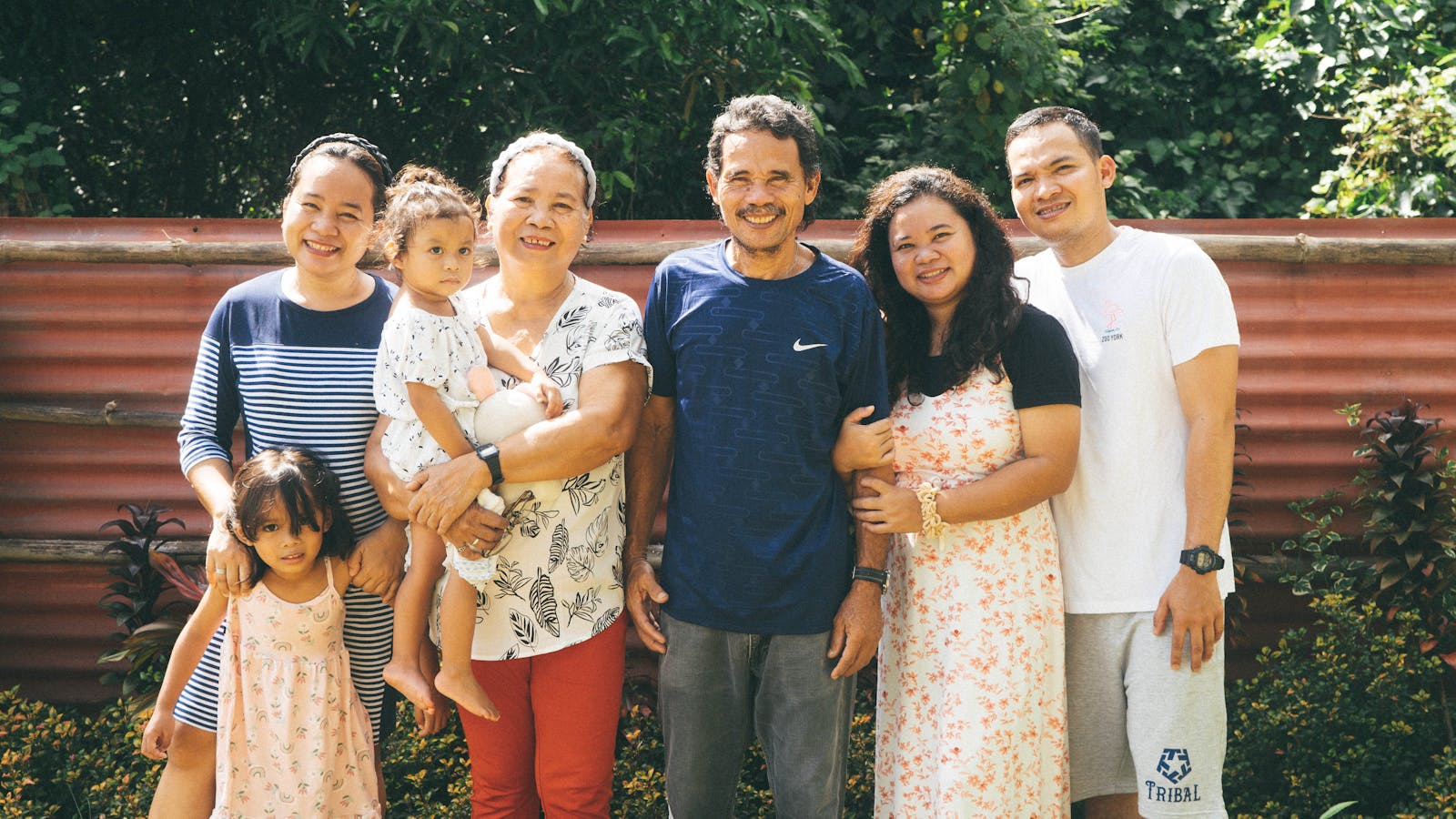
The sandwich generation is the quietest crisis in Orange County in 2026. It won’t make the evening news because the people living through it don’t have time to complain — they’re too busy driving the carpool, taking mom to dialysis, packing lunches, and praying they don’t get sick themselves.
What the data is finally making clear is that this isn’t a personal failing. It’s a demographic and economic trap that a third of our neighbors are stuck in — and the way out is rarely willpower. It’s almost always one honest family meeting, one public-program application, and one reliable weekly respite shift. If you start those three things in the next 30 days, you will be a different caregiver by the end of this summer.
You Don’t Have to Do This Alone
AHVA Home Care is a woman-owned, Orange County–based agency that specializes in respite, personal care, and companionship for the sandwich generation. We can start coverage in as little as 48 hours — and we’ll help you figure out which program (CalAIM, IHSS, VA Aid & Attendance, private pay, or a mix) actually fits your family’s numbers.
Talk to Our Team or call (213) 326-7452