
5 Home Care Trends Transforming Senior Living in OC 2026
The home care industry is evolving faster than ever, driven by technological innovation, changing demographics, policy shifts, and a post-pandemic rethinking of where and how seniors receive care. For Orange County families, these trends aren’t abstract — they’re reshaping the daily reality of how your parents and grandparents can age safely, comfortably, and with dignity in their own homes. From AI-powered health monitoring to new Medicare programs that pay for caregiver respite, here are the five most transformative trends in home care for 2026.
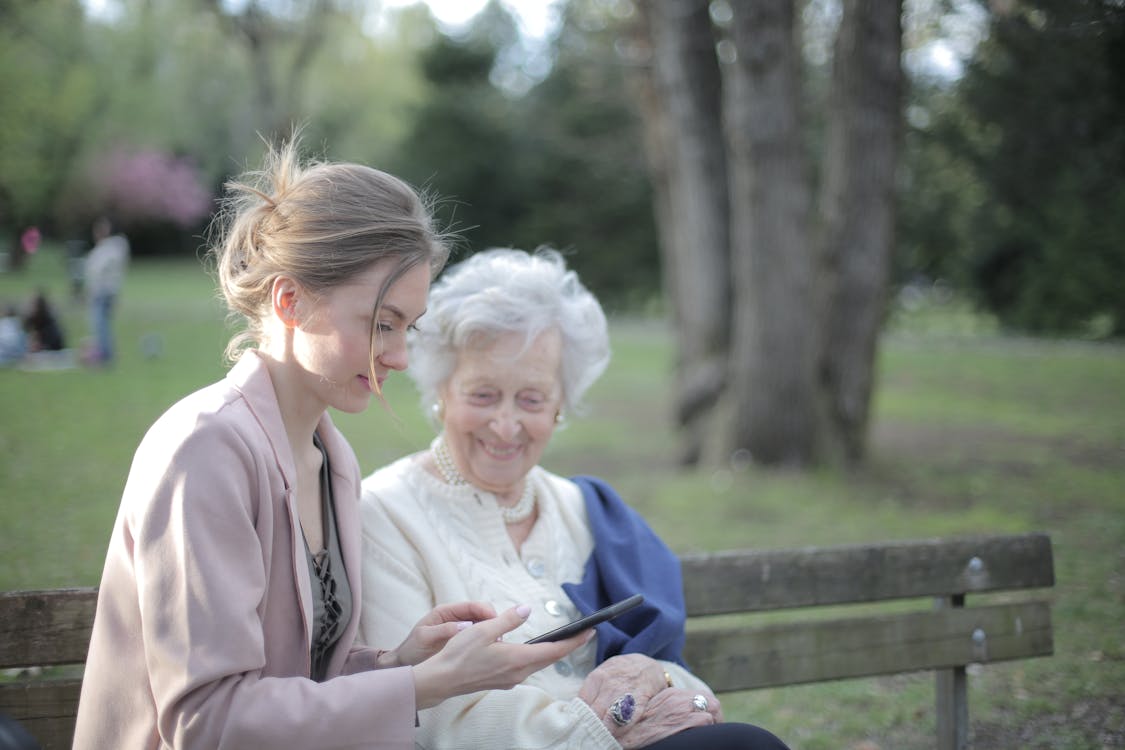
$225B
U.S. Home Care Market 2026
77M
Baby Boomers Aging Into Care
85%
Seniors Want to Age at Home
10,000
Americans Turn 65 Daily
Trend 1: AI and Smart Home Technology
Artificial intelligence is no longer science fiction in senior care — it’s becoming standard practice. In 2026, AI-powered tools are transforming how caregivers monitor health, detect falls, track medication adherence, and predict health crises before they happen.
Smart Monitoring Systems
Modern smart home systems designed for senior care go far beyond simple medical alert buttons. Today’s systems include motion sensors that learn a person’s daily patterns and alert caregivers to deviations (like a senior who hasn’t gotten out of bed by their usual time), smart medication dispensers that remind patients to take pills and alert family if doses are missed, voice-activated assistants (Amazon Alexa, Google Home) that can call for help, set reminders, and provide companionship, and smart thermostats and environmental sensors that ensure the home stays at safe temperatures.
Predictive Health Analytics
AI algorithms can now analyze patterns in a senior’s daily behavior — sleep quality, movement patterns, eating habits, vital signs — to predict health events days before they occur. For example, changes in gait speed and walking patterns can predict falls up to two weeks in advance, while subtle changes in voice patterns can indicate cognitive decline. These tools don’t replace human caregivers; they make them more effective by providing early warning signals.
Trend 2: Telehealth Integration with Home Care
The COVID-19 pandemic accelerated telehealth adoption by a decade, and in 2026, virtual healthcare is a permanent fixture of senior care. What’s new is the seamless integration between telehealth visits and in-home caregiver support.
How Telehealth and Home Care Work Together
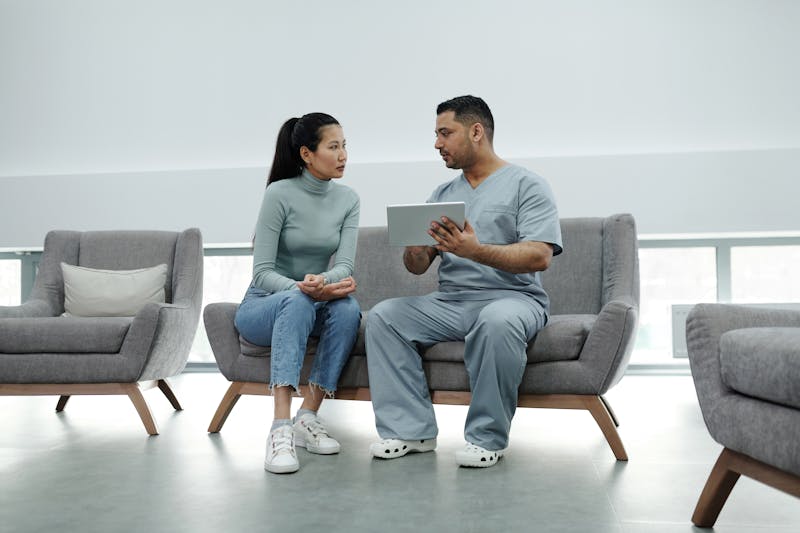
In the most effective care models, in-home caregivers serve as the “eyes and ears” for remote physicians. A caregiver can take vital signs, describe symptoms, and help the senior communicate with their doctor during a video visit — all from the comfort of home. This model reduces the need for transportation to doctor’s offices (a major barrier for many seniors), enables more frequent check-ins with healthcare providers, allows doctors to see the senior’s actual living environment, reduces hospital readmissions by catching problems early, and keeps seniors out of crowded waiting rooms where they could be exposed to illness.
Orange County Telehealth Resources
Major OC health systems including Hoag, UCI Health, MemorialCare, and Providence have all expanded their telehealth offerings. CalOptima also covers telehealth visits for Medi-Cal beneficiaries. For seniors who need help navigating the technology, an in-home caregiver from At Home VA Staffing can assist with setting up devices and connecting to virtual appointments.
Trend 3: The Medicare GUIDE Model — Dementia Care Revolution
One of the most significant developments in senior home care is Medicare’s new GUIDE (Guiding an Improved Dementia Experience) Model, which launched in July 2024 and is now available to Orange County families. For the first time, Medicare is paying for comprehensive dementia care coordination and caregiver respite services.
What GUIDE Provides
| GUIDE Service | What It Includes | Who Benefits |
|---|---|---|
| Care navigator | Dedicated care coordinator for each patient/family | Patients and families navigating dementia |
| Caregiver education | Training on dementia care, behavior management, safety | Family caregivers |
| Respite services | Up to $2,625/year for caregiver relief | Family caregivers needing breaks |
| 24/7 support line | Round-the-clock access to clinical support | Families facing emergencies |
| Care plan coordination | Integration of all medical and social services | Patients with complex care needs |
At Home VA Staffing is actively participating in the GUIDE Model through our partnership with PocketRN. If your loved one has been diagnosed with dementia and is enrolled in traditional Medicare, they may qualify for GUIDE benefits including paid respite care. Call us at (213) 326-7452 to learn more.
Trend 4: Personalized and Culturally Competent Care
Orange County is one of the most diverse counties in America, with significant Vietnamese, Korean, Chinese, Filipino, Hispanic, and Persian communities, among many others. In 2026, the home care industry is finally catching up to this reality with a growing emphasis on culturally competent care — matching caregivers with clients who share their language, cultural background, and understanding of cultural norms around aging and family.
Why Cultural Match Matters
Research shows that seniors who receive culturally aligned care have better outcomes: higher satisfaction with care, better medication adherence, lower rates of depression and isolation, and fewer emergency room visits. This is because cultural factors influence everything from dietary preferences and communication styles to attitudes about illness, family involvement, and end-of-life planning.
AHVA’s Approach
At Home VA Staffing recruits caregivers from across Orange County’s diverse communities, allowing us to match clients with providers who speak their language and understand their cultural context. Whether your parent needs a Tagalog-speaking caregiver who can cook Filipino cuisine, a Spanish-speaking aide who understands the role of family in Latino culture, or a Korean-speaking companion for a grandmother who’s more comfortable in her native language, we can help.
Trend 5: Value-Based Home Care and Insurance Integration
The business model of home care is shifting from fee-for-service to value-based arrangements, where agencies are rewarded for keeping clients healthy rather than just billing for hours of service. This trend is driven by Medicare Advantage plans, CalAIM’s population health approach, and private insurance companies that increasingly recognize home care as a cost-effective alternative to institutional settings.
What This Means for Families
Value-based care means that home care agencies have strong financial incentives to provide high-quality care that prevents hospitalizations, falls, and other costly events. For families, this translates to more comprehensive assessments, better care coordination with doctors and hospitals, proactive health monitoring, and evidence-based care protocols.
Insurance Coverage Expanding
More insurance products are beginning to cover home care services. Long-term care insurance policies (for those who have them), some Medicare Advantage plans, and California’s CalAIM Community Supports all now include home care benefits. This is making professional in-home care accessible to a broader range of Orange County families.
Looking Ahead: The Future of Senior Care in OC
These five trends are converging to create a future where most senior care happens at home, supported by technology, culturally matched caregivers, and integrated health systems. For Orange County families, this means more choices, better quality of care, and the ability for loved ones to age in the place they’re most comfortable — their own home.
At At Home VA Staffing, we’re at the forefront of these trends, continuously adapting our services to provide the best possible care for OC seniors. From our participation in the Medicare GUIDE Model to our diverse, multilingual caregiver team, we’re committed to being the home care partner that OC families can count on.
Knowledge Check Quiz
Test your knowledge. Click on your answer.
1. What percentage of seniors say they prefer to age at home?
2. What does the GUIDE Model provide for dementia caregivers?
3. How can AI help in senior home care?
4. Why is cultural match important in home care?
5. What is CalAIM Community Supports?
Frequently Asked Questions
Action Checklist
Click each item as you complete it.
0 of 10 completed
Research smart home monitoring systems appropriate for your loved one’s needs
Ask your doctor about telehealth options for routine appointments
Check if your loved one qualifies for Medicare’s GUIDE Model (if they have dementia)
Explore CalAIM Community Supports through CalOptima: (714) 246-8500
Review your current home care plan for any gaps in coverage
Look into long-term care insurance options if you don’t have coverage
Set up a family communication system for coordinating care
Research culturally matched caregiver options in your area
Install basic safety technology: medical alert, smoke/CO detectors, grab bars
Call At Home VA Staffing at (213) 326-7452 to discuss your care needs
Ready to Experience the Future of Home Care?
At Home VA Staffing combines the best of these emerging trends with the timeless values of compassion, reliability, and personalized attention. Our caregivers are trained in the latest care techniques and equipped to work alongside smart home technology, telehealth systems, and healthcare teams to provide the highest quality in-home care in Orange County.
Call us today at (213) 326-7452
Related Articles
Serving All of Orange County
AnaheimSanta AnaIrvineHuntington BeachGarden GroveOrangeFullertonCosta MesaMission ViejoWestminsterNewport BeachBuena ParkLake ForestTustinYorba LindaSan ClementeLaguna NiguelLa HabraFountain ValleyPlacentiaRancho Santa MargaritaAliso ViejoCypressBreaStantonSan Juan CapistranoDana PointLaguna HillsSeal BeachLos AlamitosLaguna BeachLa PalmaVilla ParkLaguna Woods
Disclaimer: This article is for general informational purposes only and does not constitute medical, legal, or financial advice. Always consult with qualified professionals before making decisions about healthcare, benefits, or legal matters. At Home VA Staffing provides non-medical in-home care services. Information is believed accurate as of the publication date but may change. Contact relevant agencies for current information.
You Might Also Like

New Alzheimer's Drugs You Can Use at Home: What OC Families Need to Know
Robert GordonHome Care Policy Analyst · LinkedIn · March 31, 20268 min...

California's 2026-27 Budget Just Passed: What Orange County IHSS and Medi-Cal Families Must Do Before July 1
Robert Gordon Home Care Policy Analyst, AHVA June 15, 2026 · 9...

The Thanksgiving Gut Check: 12 Signs Your Aging Parent May Need More Help Than You Think
Robert Gordon Home Care Policy Analyst · LinkedIn · October 19, 2026...