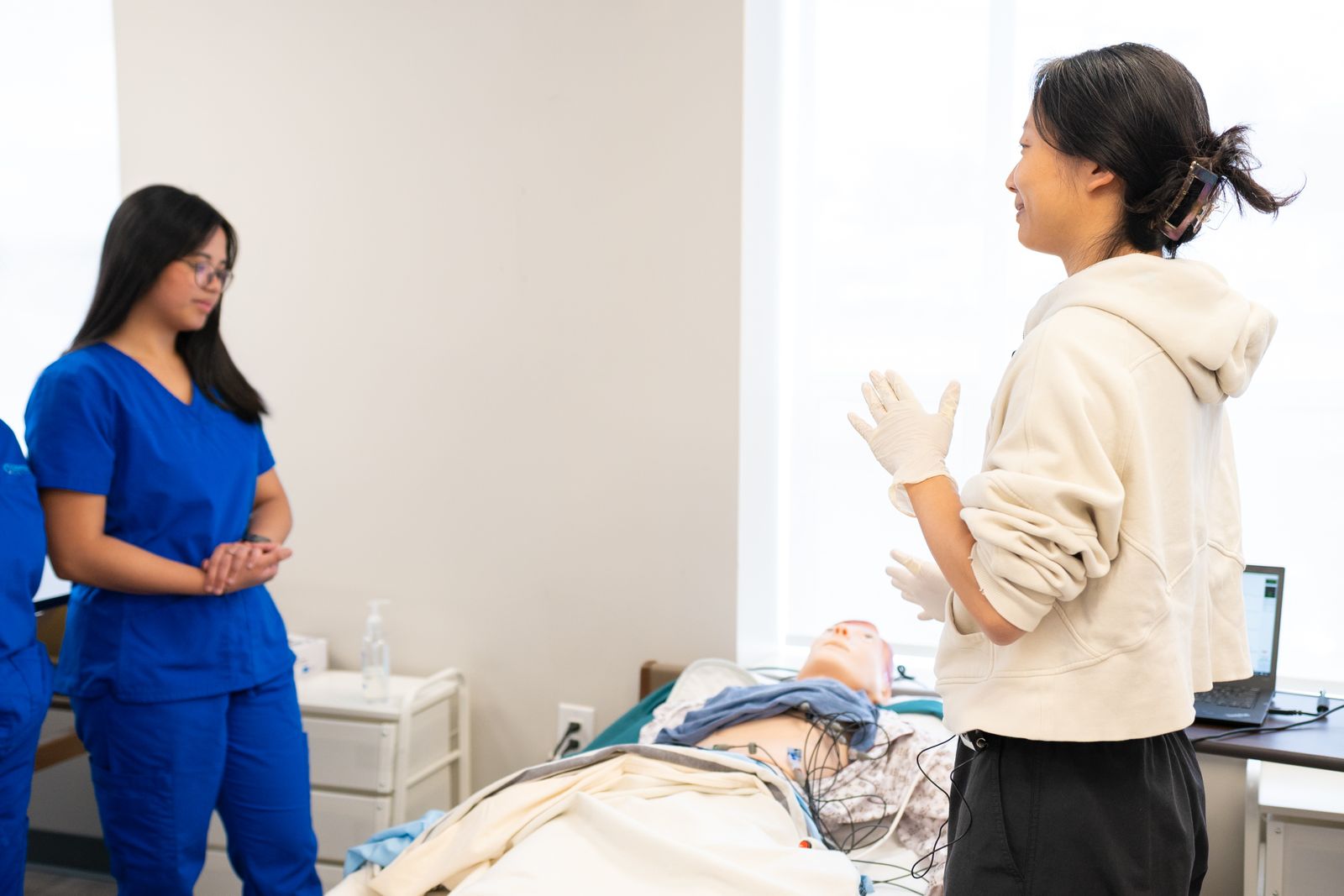
SB 1057 would let California’s health department weigh rehabilitation, not just a conviction record, when a caregiver applies to become a certified nurse assistant or home health aide.

California Just Voted to Stop Automatically Disqualifying Caregivers With Old Convictions. Here’s What SB 1057 Means for Orange County.
On August 13, the Assembly Appropriations Committee sent SB 1057 to the floor on an 11-3 vote, clearing the last committee stop before a full Assembly vote in the final two weeks of California’s legislative session. If it passes and Governor Newsom signs it, the bill will rewrite one of the quieter but more consequential rules in California’s home care workforce: the state’s authority to deny a certified nurse assistant (CNA) or home health aide (HHA) certificate to someone with a criminal record.
Right now, that authority is often mandatory. Certain convictions trigger an automatic denial, full stop, regardless of how long ago they happened or what the applicant has done since. SB 1057, authored by State Senator Josh Becker, would make most of that discretionary instead — replacing a blanket bar with a 7-year lookback window, a rehabilitation pathway, and a real review process. For a state that is short tens of thousands of direct care workers, and for Orange County families who have felt that shortage as longer waits and higher turnover, this is not an abstract criminal-justice bill. It is a workforce bill wearing a licensing bill’s clothes.
What SB 1057 Actually Changes
Under current law, the California Department of Public Health (CDPH) must deny a CNA or home health aide certificate to an applicant convicted of certain crimes, with limited room to consider context. SB 1057 keeps CDPH’s authority to deny, suspend, or revoke a certificate for a disqualifying conviction, but shifts the standard from automatic to case-by-case for the large majority of offenses.
The bill sets a 7-year lookback: convictions from more than seven years before the application generally cannot be used to deny certification, unless the conviction is a serious felony, a sex offense, or a financial abuse offense against an elder or dependent adult, in which case there is no time limit at all. That carve-out matters — this is not a bill that clears the door for anyone with any record. It narrows the automatic bar for lower-level, older offenses while keeping the strictest standard exactly where home care safety concerns are highest.
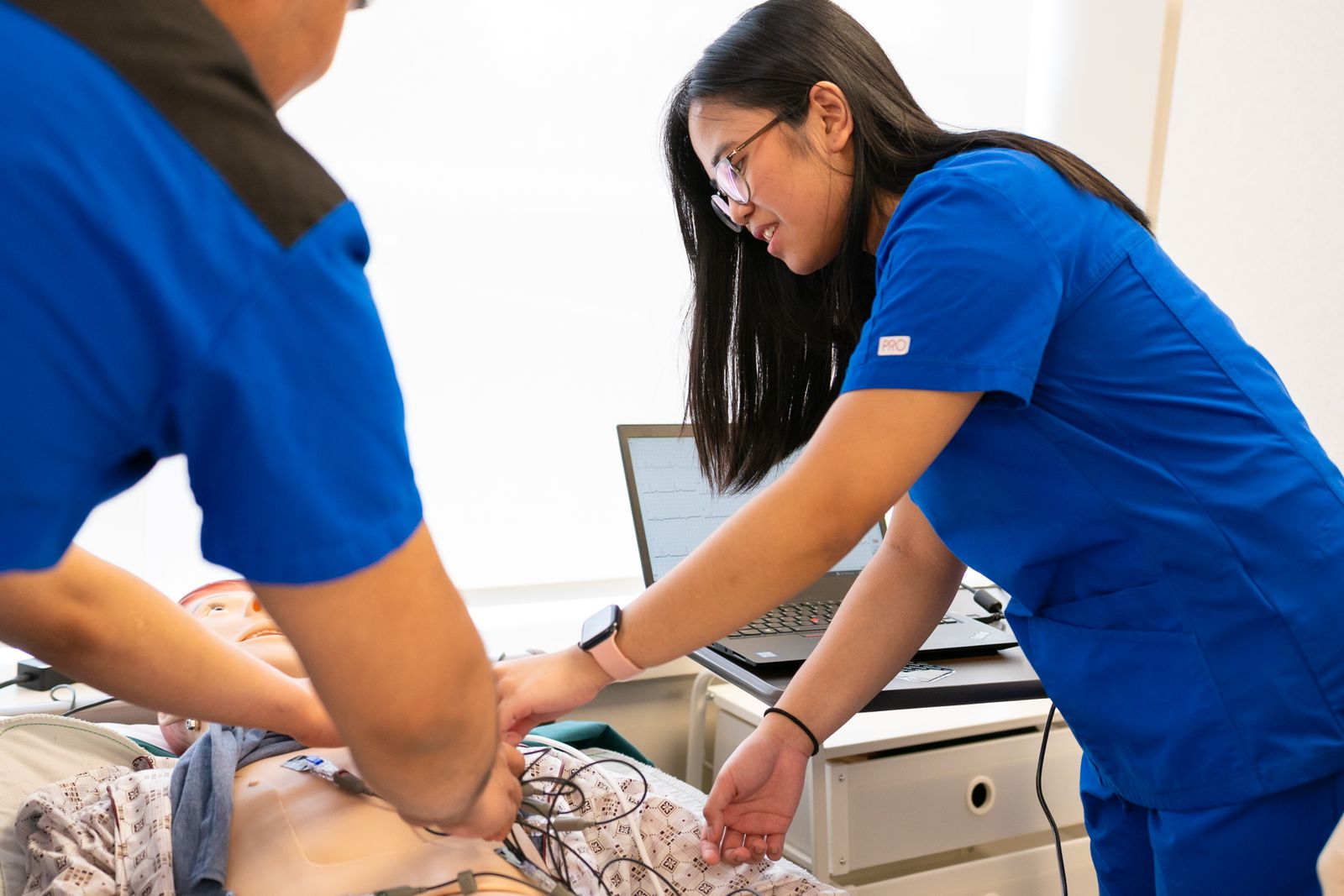
SB 1057 doesn’t touch clinical training requirements — it changes what happens after training is complete and an application lands on a reviewer’s desk.
Mandatory Bar Today vs. SB 1057’s Discretionary Standard
| Under Current Law | Under SB 1057 |
|---|---|
| Certain convictions trigger automatic, mandatory denial regardless of how long ago they occurred | Most convictions become grounds for discretionary denial, weighed case-by-case against a 7-year lookback |
| No statutory pathway for an applicant to submit evidence of rehabilitation after a denial | Applicants get a 2-year window after the criminal record report to submit evidence of good character and rehabilitation |
| Serious felonies, sex offenses, and elder/dependent-adult financial abuse convictions are already treated strictly | Those same categories remain disqualifying with no time limit — SB 1057 does not soften this tier |
| Dismissed convictions can, in practice, still surface in a background check review | Convictions dismissed under specified Penal Code provisions cannot be used as grounds for denial |
| Denial notices and appeal timelines vary in practice | The bill requires written denial notices and administrative hearings within 60 days of an appeal |
The Rehabilitation Pathway, Explained
The part of SB 1057 that has drawn the most attention from workforce and reentry advocates is the rehabilitation review. An applicant or certificate holder who is denied, or whose certificate is suspended or revoked, because of a conviction gets a 2-year window from the date CDPH receives the criminal record report to submit evidence of good character and rehabilitation. The bill directs the department to weigh specific, concrete factors rather than making a subjective call in the dark.
What CDPH Must Consider Under the Rehabilitation Pathway
- The applicant’s employment history since the conviction, including any direct care or healthcare-adjacent work
- Participation in counseling, substance-use treatment, or rehabilitation programming
- Compliance with the terms of probation or parole, where applicable
- Letters of reference and character evidence from employers, supervisors, or community members
- The nature and seriousness of the offense measured against how much time has passed
What Stays Off the Table, No Matter What
- Serious felony convictions — no lookback limit, no discretionary review shortcut
- Sex offense convictions — same treatment, unchanged by this bill
- Financial abuse convictions against an elder or dependent adult — explicitly carved out given the population CNAs and HHAs serve
- Convictions inside the 7-year window for other offense categories, unless the applicant makes a rehabilitation showing that CDPH accepts
Where AB 1495 Fits Into the Same Story
SB 1057 isn’t happening in isolation. Last October, Governor Newsom signed AB 1495, which raised the bar on the training side of the same workforce: a registered nurse or licensed vocational nurse must now personally provide classroom or supervised practical instruction for HHA certification candidates, online and distance-learning programs must verify a trainee’s identity under penalty of perjury, and every certified home health aide must now complete at least 12 hours of in-service training every 12 months to keep their certificate current. Read together, the two bills tell a consistent story: California is tightening how caregivers are trained and monitored, while loosening how automatically an old, unrelated conviction can keep a rehabilitated, qualified caregiver out of the workforce entirely. It is not a story about lowering the bar. It is about moving the bar to where it actually predicts whether someone can safely do the job.
Why This Matters for Orange County Families, Not Just Sacramento
California’s own workforce projections have shown a persistent, worsening shortfall of direct care workers — CNAs, home health aides, and personal care aides — even as the 65-and-older population climbs. Orange County families feel that shortage directly: longer waits to get an IHSS provider assigned, higher turnover at agencies stretched thin, and fewer choices when a family needs someone who is not just certified, but a genuinely good fit for their loved one. A mandatory lifetime bar on old, unrelated convictions removes qualified people from that labor pool permanently, even when their record has nothing to do with whether they can be trusted in someone’s home today.
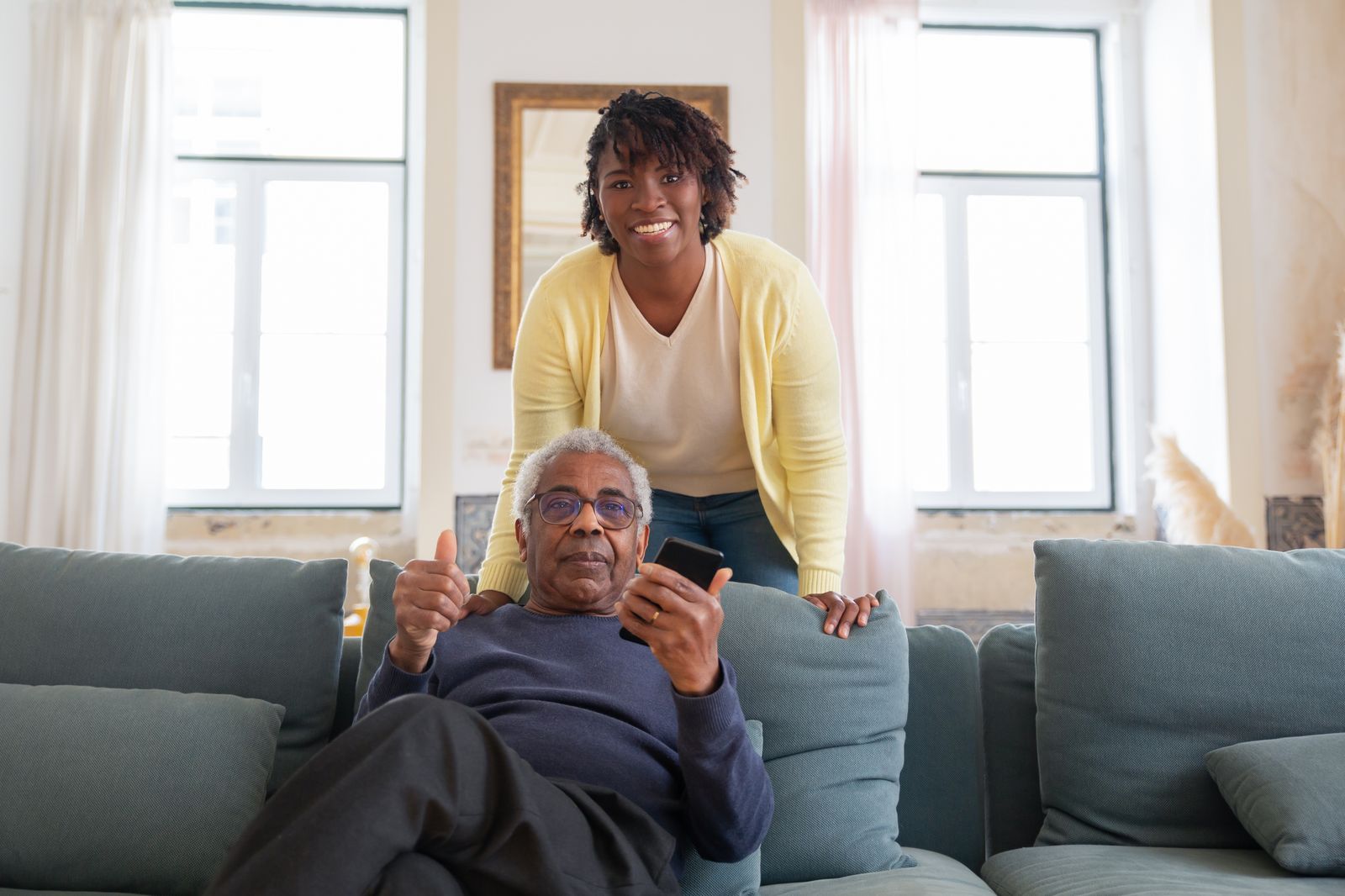
The families who feel a caregiver shortage aren’t in Sacramento. They’re the ones waiting for a match, a callback, or an opening at an agency they trust.
That said, a state certification is a floor, not a ceiling, and SB 1057 does not change what a reputable home care agency does on top of it. At Home VA Staffing screens every caregiver we place with a criminal background check, reference verification, and an in-person interview, regardless of what the state’s minimum certification standard allows — the same way we do today, and the same way we would under SB 1057. What the bill changes is the size and shape of the applicant pool state certification lets through the door in the first place. A wider, still-carefully-screened pool of certified caregivers is good for OC families waiting for care, and it is good for the caregivers themselves, many of whom made one mistake a long time ago and have spent years since proving it does not define them.
If workforce capacity is a concern in your household’s care planning, our coverage of California’s home care fraud crackdown walks through how the state is separately tightening oversight of agencies themselves, and our look at 2026 home care trends covers the broader staffing pressures OC agencies are navigating this year.
What Happens Next
SB 1057 was ordered to a third reading in the Assembly on August 13, meaning it is eligible for a full floor vote at any point before lawmakers adjourn for the year in the final days of August. Because the Assembly amended the bill on June 25, a passing Assembly vote sends it back to the Senate for a concurrence vote on those changes before it can go to Governor Newsom’s desk. If he signs it, and the final version does not carry an urgency clause, the new rules would generally take effect January 1, 2027 — giving CDPH roughly a year to update its review process before the discretionary standard becomes the default. We’ll be watching the floor vote and will update this coverage if the bill’s timeline or final language shifts.
SB 1057 Readiness Checklist
Click each item as you complete it.
- If you’re a caregiver with an old conviction who was previously denied certification, note the date CDPH’s criminal record report was issued — that starts your 2-year rehabilitation-review window if SB 1057 becomes law
- Start gathering employment history, counseling or treatment records, and character references now, before you need them for a rehabilitation submission
- If a past conviction was judicially dismissed, confirm which Penal Code section covers the dismissal — SB 1057 would bar CDPH from using those as grounds for denial
- Families evaluating a home care agency: ask what background-check standard they use beyond the state’s minimum certification requirement
- Ask your agency whether their caregivers complete AB 1495’s 12-hour annual in-service training, and how they verify it
- If you or a family member is a CNA or HHA up for certificate renewal, confirm your in-service training hours are logged and current
- Track the Assembly floor vote before the legislature adjourns in late August — the bill dies for the session if it doesn’t pass by then
- Watch for the required Senate concurrence vote on the Assembly’s June 25 amendments before assuming the bill has passed
- If signed, mark January 1, 2027 as the likely effective date and check back for CDPH’s implementation guidance
- If you’re weighing in-home care options now, ask any agency directly how they vet caregivers today, not just what state law requires
Test What You Know
1. What does SB 1057 mainly change about CNA and home health aide licensing?
2. What is the new lookback window for most convictions under SB 1057?
3. Which convictions keep no time limit under SB 1057, even after the bill passes?
4. What did AB 1495, signed in October 2025, require of certified home health aides?
5. As of August 13, 2026, where does SB 1057 stand?
Frequently Asked Questions
The One Thing to Take From This
SB 1057 is not a bill about lowering safety standards for who cares for California’s seniors. The strictest category — serious felonies, sex offenses, financial abuse of an elder or dependent adult — stays exactly as disqualifying as it is today, with no time limit. What changes is everything else: whether a caregiver who made a mistake a decade or more ago, and has spent the years since proving it does not define their character, gets an automatic no or an actual review. For a state desperately short on direct care workers, and for Orange County families waiting on the other end of that shortage, that distinction is worth watching all the way to the Governor’s desk.
Looking for a Caregiver You Can Trust?
At Home VA Staffing screens every caregiver we place with a criminal background check, reference verification, and an in-person interview — regardless of what the state’s minimum certification standard requires. If your family needs reliable in-home care in Orange County, we’re happy to talk it through with no obligation.
This article is provided for general informational purposes and reflects publicly available legislative information as of August 14, 2026. It is not legal advice. SB 1057 has not been signed into law as of publication and its final text, effective date, or passage could still change before the legislative session ends. This article is not a substitute for guidance from the California Department of Public Health, the California State Legislature, or a qualified employment or licensing attorney. At Home VA Staffing does not determine CNA or home health aide certification eligibility.