To the Daughter Who’s Caregiving This Mother’s Day: You Matter Too
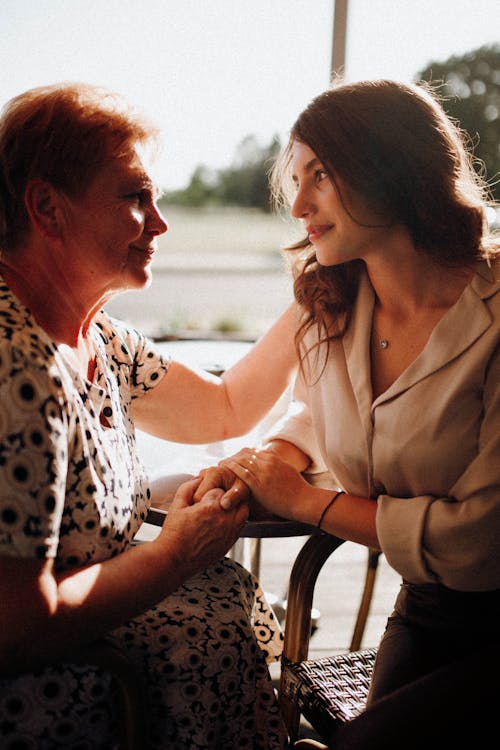
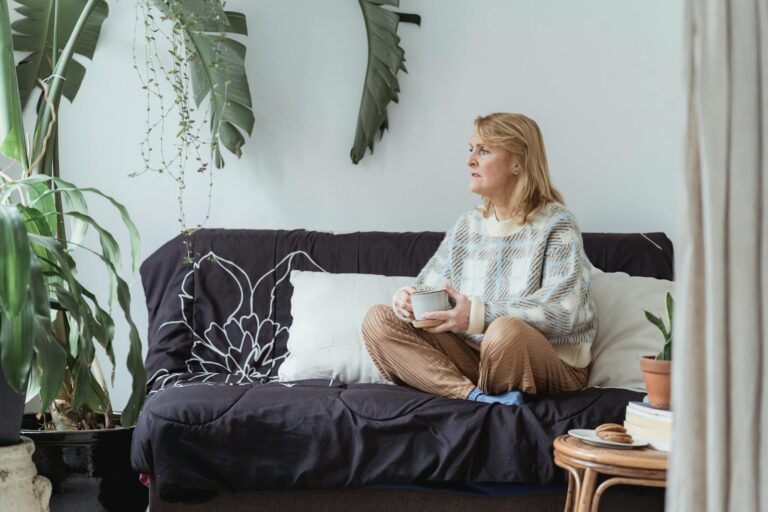
On Mother’s Day, somewhere in Orange County, a woman is doing exactly what she does every other day of the year: waking up early to give her mother her medications, adjusting a walker, preparing breakfast, managing a pile of insurance paperwork, fielding calls from doctors, and trying to hold her own life together at the same time. She is a mother herself. And on a day designed to celebrate her, she is invisible in her own story.
This article is for her. For the daughters in Irvine balancing their children’s school pickup schedules with their mother’s physical therapy appointments. For the women in Anaheim and Fullerton managing a parent’s dementia from across town. For the sandwich generation caregivers in Newport Beach and Mission Viejo who have not had a full weekend to themselves in over a year. This is not a listicle of self-care tips. This is a recognition of how much you are carrying — and an honest conversation about why asking for help is not weakness. It is the most strategic thing you can do.
The Weight No One Talks About on Mother’s Day
Every May, social media fills with flower photos and brunch reservations. What it does not show is the daughter who is her mother’s primary caregiver spending the morning managing a wound care routine, fielding a call from a home health nurse, and wondering when — or whether — she last had a moment that belonged entirely to her.
The National Alliance for Caregiving reports that women provide significantly more hours of care than men and are far more likely to make career sacrifices to do so. Many of these women are in what researchers call the sandwich generation — raising their own children while simultaneously caring for aging parents. In Orange County, where the cost of living is high and professional in-home care is expensive, families often fill the gap themselves. That gap is overwhelmingly filled by daughters.
What makes this particularly heavy on Mother’s Day is the emotional math involved. You are being celebrated as a mother while simultaneously grieving who your own mother used to be. You are managing the guilt of wishing things were different. You are quietly wondering whether you have enough energy left to keep going. All of this happens alongside the very real, daily, physical labor of caregiving itself.
You are allowed to love someone and also find caregiving exhausting. Those two things are not in conflict. The exhaustion is not a sign you love them less. It is a sign that you have been giving more than any one person can sustain indefinitely — and that is a structural problem, not a character flaw.
What Mother’s Day Actually Looks Like for OC Daughter Caregivers
| The Idealized Version | The Caregiver’s Reality |
|---|---|
| Sleeping in until 9 AM | Waking at 6 AM for medication administration and morning care routines |
| Brunch with the whole family | Coordinating who stays with mom so you can attend for an hour |
| Flowers and heartfelt cards | A quiet sense that your own caregiving labor is invisible and unacknowledged |
| A full day to yourself | A day that looks like every other day, plus the emotional weight of the holiday |
| Feeling celebrated and seen | Feeling grateful and depleted simultaneously, then guilty for feeling depleted |
You Are a Mother AND a Daughter — Both at Once

There is a particular kind of grief that comes with being your parent’s primary caregiver. Psychologists sometimes call it ambiguous loss — the experience of losing someone who is still physically present. The mother who used to give advice now needs help choosing what to wear. The parent who drove you everywhere now depends on you for transportation. The relationship has shifted in ways no one prepares you for, and there is rarely space to process that shift because the caregiving itself demands constant attention.
Meanwhile, you are raising your own children, managing your career, trying to show up in your own relationships, and navigating a healthcare system that was not designed to help families like yours. The demands come from every direction simultaneously. And every year, Mother’s Day arrives as a kind of mirror — reflecting back everything you are managing and, sometimes, everything you have quietly sacrificed.
One of the most useful things an Orange County daughter caregiver can do is name what she is carrying. Not as a complaint, but as an honest accounting. Because naming it is the first step to getting appropriate help. You do not have to do all of this alone. California has more caregiver support programs than almost any other state, and Orange County has specific county and nonprofit resources designed for exactly your situation. The problem is that most family caregivers never access them — not because they are ineligible, but because they did not know where to look, did not have time to look, or did not believe their situation was serious enough to qualify.
It is. You qualify. Let us talk about what is available.
OC Resources That Can Actually Help
Orange County has a meaningful network of caregiver support resources, though accessing them requires knowing where to start.
OC Office on Aging: The county’s Area Agency on Aging and primary hub for older adult and caregiver services. Call 1-800-510-2020 or visit officeonaging.ocgov.com to request a caregiver assessment, find local support groups, or connect with case management services.
Caregiver Resource Center OC: The state-designated Caregiver Resource Center for Orange County, based in Fullerton. Offers family consultation, assessment, care planning, counseling, caregiver education and respite planning for families caring for an adult with a chronic illness or cognitive decline. Call (800) 543-8312.
IHSS (In-Home Supportive Services): California’s Medi-Cal program that can fund personal care, domestic services, and protective supervision for eligible seniors and adults with disabilities. In some cases, an adult child can be paid as a provider through IHSS. If your parent has not yet applied, this is a priority. Our comprehensive guide — How to Pay for Home Care in Orange County — walks through every option.
Respite Care from a Professional Agency: AHVA Home Care provides professional in-home respite care across all of Orange County, giving family caregivers a genuine, protected break while ensuring their loved one is safe and well cared for. Respite is not a luxury — it is a clinical recommendation for sustainable long-term caregiving. Read more about the documented benefits of respite care for both caregivers and care recipients.
Sandwich Generation Resources: If you are simultaneously parenting children while caring for an aging parent, our full guide on the OC Sandwich Generation breaks down every relevant support program — from IHSS to Paid Family Leave to OC senior transportation options — in plain language.
Mother’s Day Respite: We also offer an article specifically for family members wanting to give a caregiver the break they actually want on Mother’s Day: This Mother’s Day, Give the Gift Most Caregivers Actually Want.
Self-Assessment: 10 Signs You May Need More Support
This is not a diagnostic tool. It is a reflection exercise. Click each item that honestly resonates with your current experience right now.
- You feel exhausted even after a full night of sleep
- You have stopped doing things you used to genuinely enjoy
- You feel irritable or short-tempered with the person you care for — then feel guilty about it
- You have skipped or cancelled your own medical appointments in the past six months
- You feel resentful about caregiving, then immediately feel ashamed for feeling that way
- You are sleeping too much — or lying awake most nights with caregiving worries
- You feel isolated and like no one in your life truly understands what you are managing
- Your own physical health has noticeably declined in the past year
- You cannot remember the last time someone asked how you were doing — and actually waited for the answer
- The thought of asking for help feels like admitting failure or giving up on someone you love
If five or more of these resonate, you are likely experiencing significant caregiver burnout. That is not a weakness — it is a signal. Please look at the OC resources listed above and consider making one phone call this week.
Quiz: How Are You Really Holding Up?
Answer honestly. There are no right or wrong responses — only an honest picture of where you are right now.
1. When was the last time you had a full day with no caregiving responsibilities at all?
2. How often do you feel emotionally drained by the end of the day?
3. How would you honestly describe your own physical health right now?
4. Do you have someone you can honestly talk to when caregiving feels overwhelming?
5. When you think about asking for professional help with caregiving, what is your first reaction?
Frequently Asked Questions
Yes — and far more common than most people admit out loud. Resentment in caregiving is not a sign that you love your parent less. It is a sign that you are giving more than you can sustain without support. Frustration, resentment and anger are common feelings at some point in a caregiving role. The healthiest response is to acknowledge those feelings honestly and use them as a signal that something in the equation needs to change — more outside help, clearer family boundaries, or professional support for yourself.
Caregiver Resource Center OC (800-543-8312) offers respite planning and referrals to in-home respite services. The OC Area Agency on Aging (officeonaging.ocgov.com, 1-800-510-2020) administers the National Family Caregiver Support Program, which includes funded respite assistance for eligible caregivers. CalOptima’s Community Supports benefit can cover certain in-home care services for Medi-Cal members. And private in-home care agencies like At Home VA Staffing (213-326-7452) offer professional respite care on a flexible schedule — even a consistent four hours per week can measurably reduce burnout and help caregivers remain sustainable long-term.
Potentially yes. California’s In-Home Supportive Services (IHSS) program allows certain family members, including adult children, to be paid as authorized IHSS providers for a Medi-Cal-eligible parent. Eligibility and authorized hours depend on your parent’s assessed functional limitations and county-specific rates. A spouse can also be a paid IHSS provider. When the spouse lives in the home, housework-type services (domestic and related services) are generally not paid, but personal care can be. Contact the OC IHSS office at (714) 825-3000 to begin an assessment. Note that on January 1, 2026, California reinstated a Medi-Cal asset limit of $130,000 for one person (plus $65,000 for each additional household member), so check your parent’s countable assets as well as income before applying.
This is one of the hardest conversations families face, and there is no single script that works for everyone. Approaches that tend to help: Frame the request around your own limitations rather than their deficits (“I need some support so I can keep showing up for you the way you deserve”). Start with a small trial — suggest a few hours per week initially rather than a big commitment. Involve their physician if they are more responsive to medical authority than family input. If there is resistance, give it two to three weeks and try again — resistance often softens when the parent sees how exhausted their caregiver actually is. A geriatric care manager can also facilitate the conversation more neutrally than a family member can.
This is extremely common. Some families find success with a soft introduction — having a caregiver come initially just for companionship, with no explicit “care” framing, and allowing the relationship to build naturally over several visits. Others find that an independent geriatric care manager or social worker can facilitate the conversation more effectively than family members, since there is no emotional history in the relationship. If your parent has dementia or another condition affecting judgment, you may eventually need to make decisions on their behalf as their designated healthcare agent or conservator. If you reach that point, consulting with an elder law attorney in OC is worth the investment.
Look for a licensed Home Care Organization (HCO) registered with the California Department of Social Services — you can verify current HCO licenses at the CDSS Care Provider Management Bureau. Ask whether caregivers are W-2 employees of the agency or independent contractors; employees generally have more oversight, training requirements, and accountability. Confirm that the agency conducts thorough background checks on all caregivers and carries both general liability and workers’ compensation insurance. Ask for references from current OC clients. At Home VA Staffing is a licensed, woman-owned, minority-owned home care agency serving all of Orange County with a focus on personalized non-medical care: respite, personal care, companionship, and dementia support. You can reach us at (213) 326-7452.
You Deserve Support Too
At Home VA Staffing provides professional, compassionate in-home care across all of Orange County — giving daughter caregivers a real, protected break so they can continue showing up for the people they love. Serving OC families with respite care, personal care, companionship, and dementia support.
Call (213) 326-7452 Talk to Our Team