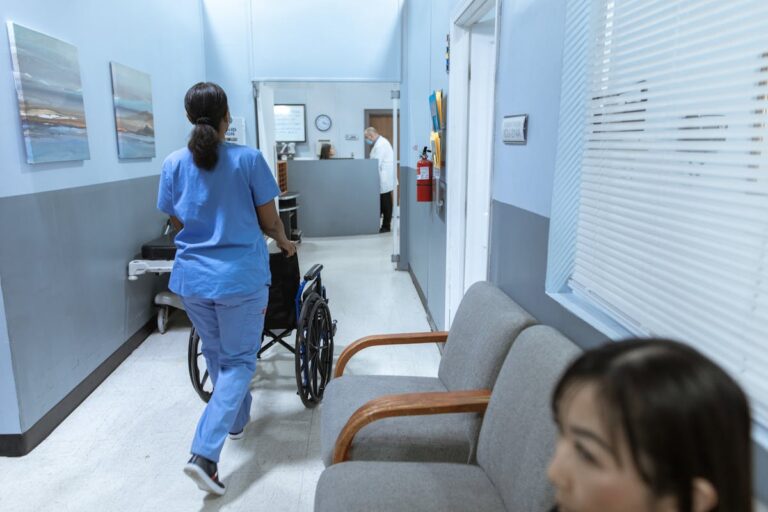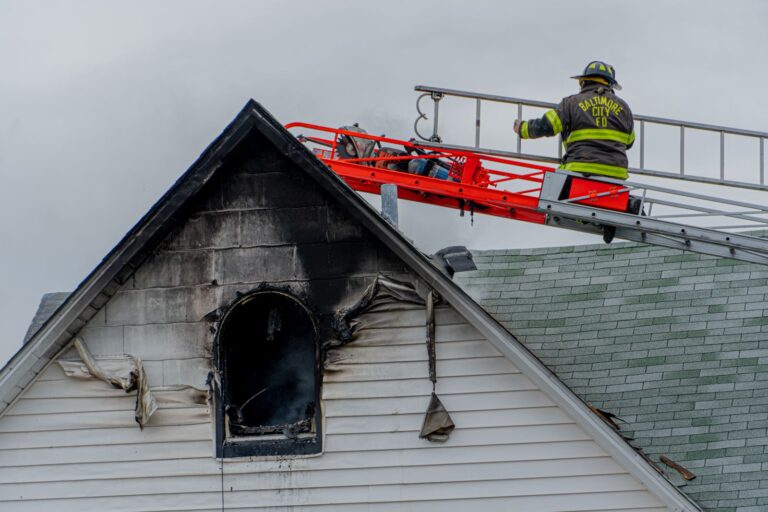
When the Power Goes Out: A Medical Equipment Preparedness Guide for Orange County Seniors

For seniors who depend on an oxygen concentrator, CPAP, or refrigerated medication, a power outage is not an inconvenience. It is a medical emergency waiting to happen.
The National Weather Service has posted an Extreme Heat Warning for inland Orange County from 10 a.m. Wednesday, July 15 through 8 p.m. Thursday, July 16, with temperatures pushing into the low-to-mid 90s across cities like Mission Viejo, Anaheim, and Orange. At the same time, a heat-driven strain on the national power grid has already triggered emergency measures in several states this summer, and California households are being asked to conserve electricity during peak hours. That combination, extreme heat plus a stressed grid, raises the odds of a Flex Alert or a short rotating outage this week.
For most families, a flickering light or an hour without air conditioning is a nuisance. For an Orange County senior who relies on an oxygen concentrator, a CPAP machine, an electric wheelchair, or insulin that has to stay cold, it is a very different situation. This guide walks through exactly which devices are at risk, how to register for priority power restoration before you need it, and the backup plan every caregiving family should have ready this week.
Why This Week’s Heat Warning Raises the Stakes
Southern California Edison has not announced planned outages for this specific warning as of publication. But the pattern is familiar to anyone who has lived through an Orange County summer: extreme heat drives air conditioning demand to its yearly peak, the statewide grid operator (CAISO) issues a Flex Alert asking residents to cut back electricity use in the early evening, and if conservation is not enough, utilities occasionally resort to brief rotating outages to protect the broader grid from a larger failure. These rotating outages typically last about an hour per neighborhood and can happen with very little warning, most often between 4 and 9 p.m., which is exactly when the heat is still dangerous and cooling equipment is working hardest.
None of that is cause for panic. It is cause for preparation. A family that has already registered for utility protections, already knows how long a backup battery will run a concentrator, and already has a plan for keeping insulin cold will ride out an hour-long outage as a minor inconvenience. A family that has not is scrambling in 95-degree heat with a medical device sounding a low-battery alarm.
The Devices at Risk When the Power Drops
Not every medical device is equally urgent. Some can wait a few hours; others cannot go more than a few minutes without a plan. Here is how the most common home medical equipment breaks down.
| Device | Risk If Power Is Lost | Backup Priority |
|---|---|---|
| Oxygen concentrator | Stops producing oxygen immediately; no internal reserve on most models | Highest — battery or backup tank required |
| CPAP / BiPAP machine | Stops mid-sleep; not immediately dangerous but disrupts sleep apnea treatment | High for nightly users |
| Insulin and other refrigerated medications | Degrades once above safe temperature for an extended period | High — needs cold-chain backup |
| Electric wheelchair or scooter | Charger stops working; existing charge still usable until depleted | Moderate — plan charging around outage windows |
| Hospital bed with electric controls | Bed locks in its last position; manual crank backup often available | Moderate |
| Hearing aid chargers | No immediate risk if spare batteries are on hand | Low |
Oxygen concentrators and CPAP machines
Home oxygen concentrators pull power continuously and, unlike a portable tank, have no built-in reserve. If your loved one uses one full-time, ask your equipment supplier now, not during an outage, whether your model has a compatible battery pack and how long it runs at your prescribed flow rate. Many suppliers also keep a small backup tank of compressed oxygen on hand specifically for outage situations; ask if your household qualifies. CPAP and BiPAP users are rarely in immediate danger from a short outage, but if sleep apnea is severe, a portable battery pack sized for the machine is worth the investment.
Insulin and refrigerated medications
Insulin does not spoil the instant a refrigerator loses power. Most types remain safe for several hours in a closed refrigerator and even longer in an insulated cooler with ice packs. The key is planning ahead: know your specific medication’s guidance (check the manufacturer insert or ask your pharmacist), keep a couple of reusable ice packs frozen at all times, and never let insulin sit in direct sun or a hot car during a heat event.
Electric wheelchairs, scooters, and hospital beds
Mobility equipment is usually the least urgent because the existing charge lasts through a short outage. The real risk is complacency: charge these devices to full before a known heat warning, and keep the charging cable somewhere obvious so a family member can top it off the moment power returns.
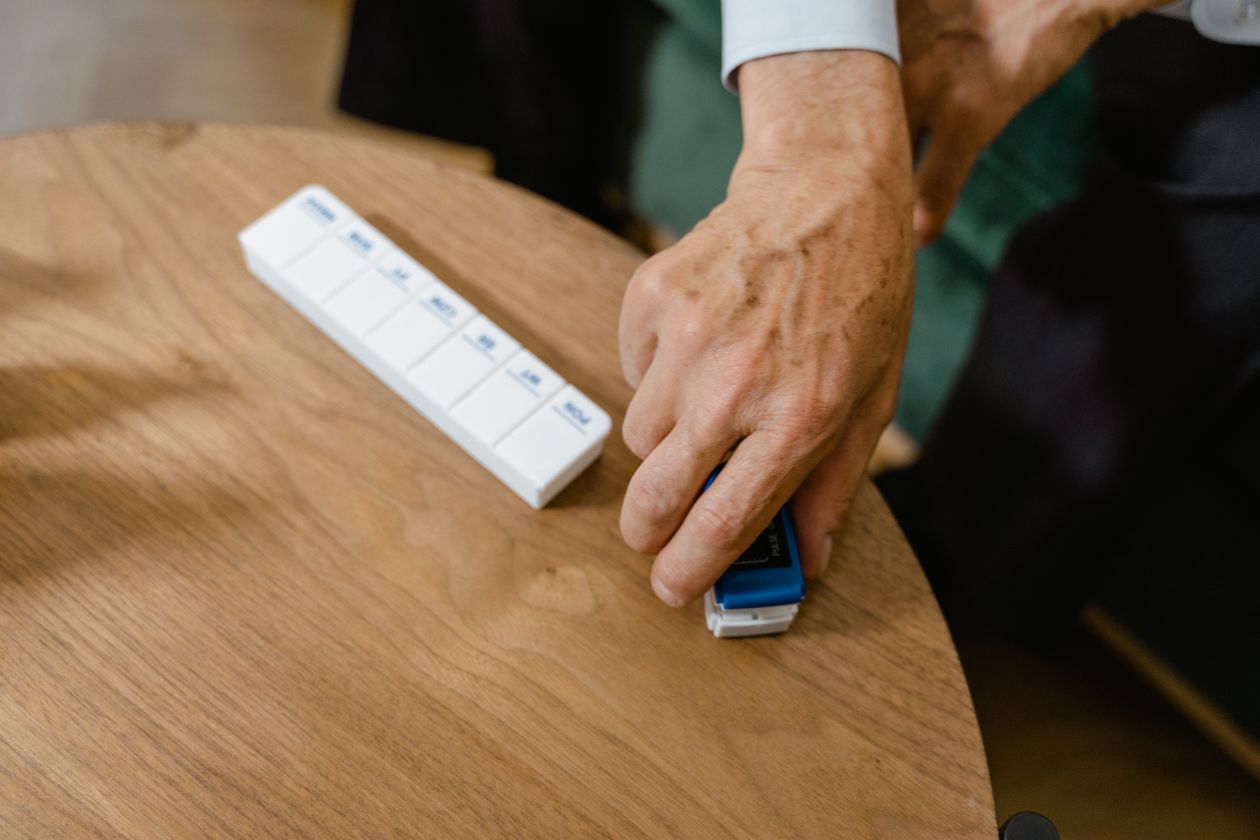
Daily monitoring habits, like checking oxygen saturation and organizing medication, make it far easier to notice a problem quickly during an outage.
Sign Up for SCE’s Medical Baseline Program Before You Need It
Beyond Medical Baseline, SCE also maintains a Critical Care Backup Battery Program that helps qualifying medical-baseline customers get a discounted or no-cost battery to keep essential devices running during an outage. Ask about eligibility when you call to enroll in Medical Baseline. If your loved one uses in-home dialysis, a ventilator, or other life-support-level equipment, tell the SCE representative directly. Those cases receive the highest restoration priority in SCE’s system.
Building a Backup Power Plan That Actually Works
Registering with the utility is step one. Step two is making sure your household has a way to bridge the gap between when power drops and when it comes back on.
Portable battery packs and power stations
A dedicated battery pack sized for your specific medical device is the most reliable backup. Oxygen concentrator manufacturers sell compatible battery packs directly; a portable power station (the kind sold for camping and emergencies) can also run a CPAP or charge a phone and medical alert device, but always check the manufacturer’s guidance before running a concentrator or ventilator off a generic power station. Keep any battery fully charged during a known heat warning, not just when an outage is already underway.
Generator safety: the carbon monoxide risk
If you use a portable generator, follow every one of these rules
- Run it outdoors only, at least 20 feet from any window, door, or vent — never in a garage, even with the door open
- Install a working carbon monoxide detector inside the home, and check the battery today
- Never plug a generator directly into a home outlet; use it to power devices directly or through a properly installed transfer switch
- Let the generator cool completely before refueling
- If anyone in the home feels dizzy, nauseated, or has a headache, get outside to fresh air immediately and call 911
Carbon monoxide poisoning sends people to Orange County emergency rooms every time there is a widespread outage, almost always because a generator was run too close to the home. A battery-based backup avoids this risk entirely and is the safer first choice for most households running medical equipment.
The car-as-battery option
In a pinch, a car with a full tank of gas can charge phones, medical alert devices, and some small battery packs through its outlet or a 12-volt adapter. Never run a car in an enclosed garage for this purpose, even briefly, for the same carbon monoxide reasons as a generator. Park in the driveway with the garage door fully open, or better, outside on the street.

Candlelight looks calm in a photo, but an open flame is one of the most common causes of house fires during outages. Battery or crank-powered lighting is safer for a household with mobility limitations.
Keeping Medications Cold Without Electricity
A well-insulated cooler with reusable ice packs can keep refrigerated medication within a safe temperature range for many hours. Keep at least two ice packs frozen at all times during heat season so a fresh one is always ready. Avoid placing medication directly against ice, which can freeze and damage some formulations; a thin towel between the medication and the ice pack is a simple safeguard. If an outage stretches beyond what your cooler can manage, most Orange County pharmacies and urgent care sites can advise on whether a specific medication is still safe to use, so keep your pharmacy’s after-hours number saved in your phone.
Who to Call and What to Watch
| Resource | What It’s For |
|---|---|
| SCE Outage Line: 1-800-611-1911 | Report an outage, check restoration estimates, ask about Medical Baseline |
| SCE Outage Map: sce.com/outages | Real-time outage status by address |
| 211 Orange County | Cooling center locations, transportation, and general emergency resources |
| OC Office on Aging: (800) 510-2020 | Senior-specific emergency and care resources countywide |
| Your durable medical equipment supplier | Backup battery options, emergency tank delivery, device-specific runtime questions |
| 911 | Any sign of oxygen deprivation, confusion, chest pain, or carbon monoxide symptoms |
If the heat warning has you considering a cooling center instead of riding out the outage at home, our Orange County heat safety guide lists cooling locations and heat-illness warning signs worth reviewing alongside this checklist. And if a caregiver in your family needs a short break to manage errands or backup supply runs during a heat event, our guide to arranging short-notice respite care covers how to line up trained help quickly.
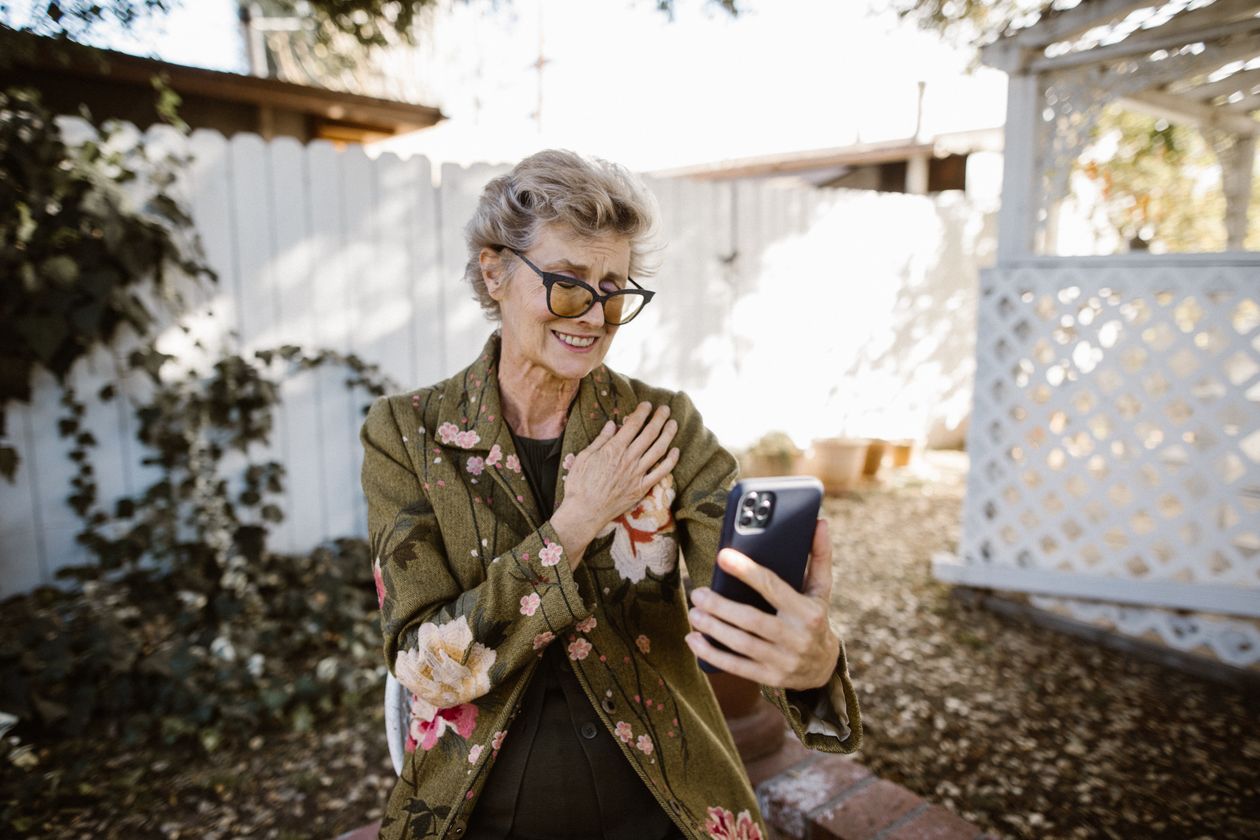
A simple check-in call during a heat warning, morning and evening, catches problems early, especially for a senior living alone.
Your Power Outage Medical Equipment Checklist
Work through this before Wednesday’s warning begins. Tap each item as you complete it.
- Call SCE to register for the Medical Baseline Program if not already enrolled
- Ask your oxygen or CPAP supplier about compatible backup batteries and their runtime
- Fully charge all medical device batteries and mobility equipment today
- Freeze at least two reusable ice packs for medication storage
- Test your carbon monoxide detector’s battery if you own a generator
- Save your pharmacy’s after-hours number and SCE’s outage line in your phone
- Set up a flashlight or battery-powered lantern in each main room, avoid open flames
- Identify your nearest cooling center in case AC or medical equipment needs force a relocation
- Schedule a morning and evening check-in call with a senior living alone during the warning
- Keep a written list of your loved one’s devices, medications, and dosages somewhere a first responder could find it
Test Your Power Outage Readiness
Answer each question to see the correct response instantly.
1. What should you do if you smell fumes or feel dizzy while running a generator?
2. Where should a portable generator be run?
3. What does SCE’s Medical Baseline Program require to enroll?
4. About how long can insulin typically stay safe in a closed refrigerator without power?
5. When are rotating outages most likely to occur during a heat event?
Frequently Asked Questions
Don’t Wait for the Outage to Build Your Plan
At Home VA Staffing helps Orange County families prepare for heat emergencies and power outages, from Medical Baseline enrollment guidance to hands-on care during the event itself.
Talk to Our Team · (213) 326-7452This article is for general informational purposes only and reflects conditions and program details as of July 2026. Always follow guidance from your physician, pharmacist, and durable medical equipment supplier regarding your specific device and medication needs. Generator and backup power safety information here is general; consult your equipment’s manual and a licensed electrician for installation of any transfer switch. Confirm current program details directly with Southern California Edison before relying on Medical Baseline Program benefits.
← Back to All Articles