
This week — October 4 to 10, 2026 — is Fire Prevention Week. For most Orange County families it passes unnoticed. It should not, because the federal data on this is blunt: in 2023, adults 65 and older were 2.5 times more likely to die in a fire than the general population, and the gap widens with every decade after that.
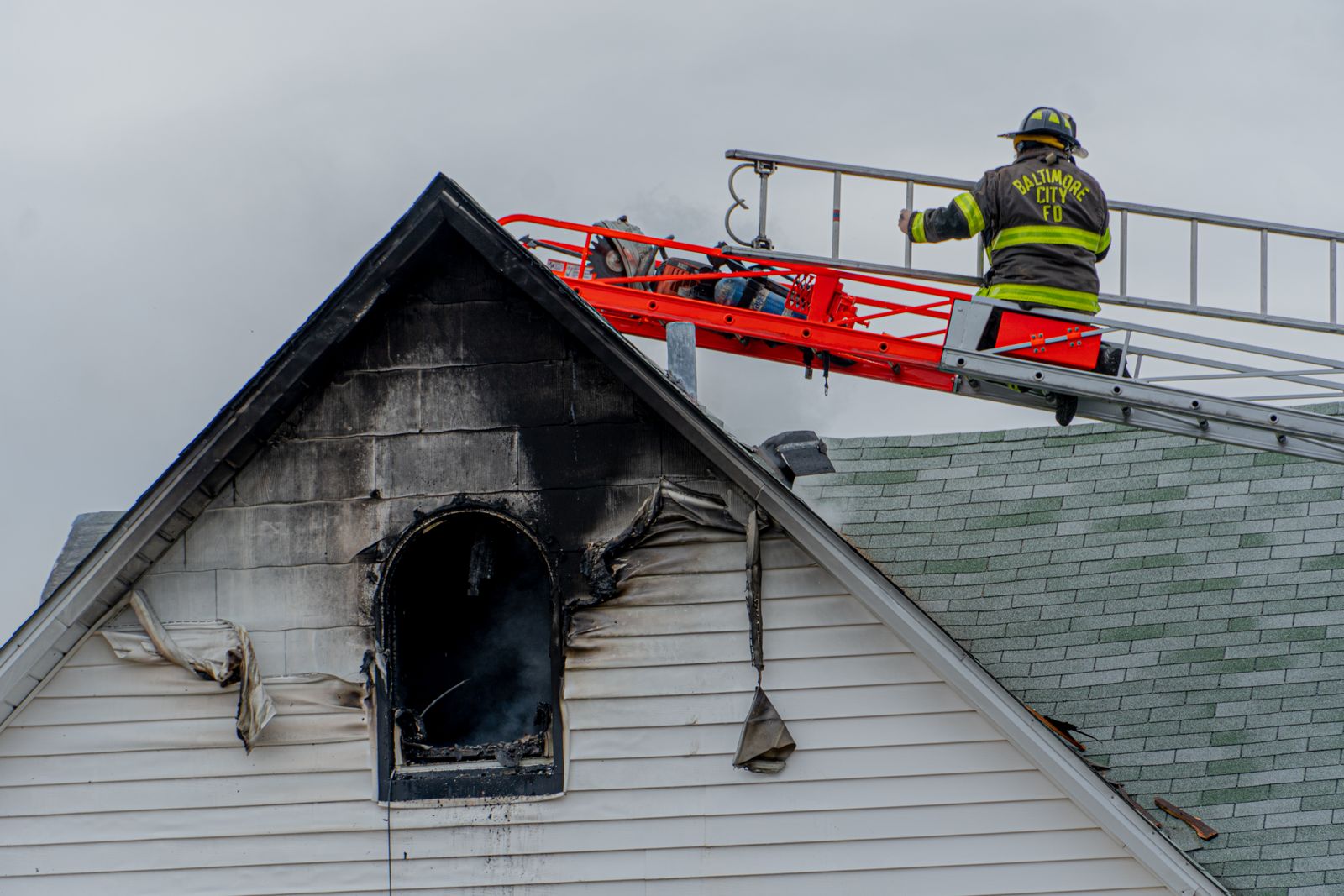
Here is the part that gets missed. The reason older adults die in house fires at higher rates is not that their homes catch fire more often. It is that the minutes after ignition go differently. Detection can be slower if hearing has declined. The decision to leave takes longer. And the walk to the door, which used to take fifteen seconds, now takes ninety with a walker.
That means the most useful thing an Orange County family can do in the next two weeks is not buy a gadget. It is to sit down with a parent and answer one question honestly: if the smoke alarm went off at 2 a.m., how would this actually go? This guide walks through that, with the numbers, the newer risks most checklists have not caught up to, and a plan you can finish in an afternoon.
Sources: U.S. Fire Administration, Older Adult Fire Death Risk (2014–2023); NFPA. Figures are national.
What the federal numbers actually say
The U.S. Fire Administration tracks fire deaths by age and expresses them as relative risk, which is the cleanest way to compare groups of different sizes. Its most recent published series covers 2014 through 2023, and the pattern is consistent rather than a one-year blip.
| Age group | Relative risk of dying in a fire (2023) | 10-year trend in fire death rate (2014–2023) |
|---|---|---|
| 65 and over (all) | 2.5 times the general population | Increased 26% |
| 65 to 74 | 2.2 times | Increased 41% |
| 75 to 84 | 2.9 times | Increased 16% |
| 85 and over | 3.4 times | Highest relative risk of any age group |
The number worth sitting with: the fire death rate for adults 65 to 74 rose 41 percent over that ten-year window. This is the age band most likely to still be living fully independently, and most likely to be told by everyone around them that they are fine. Risk is rising fastest exactly where families are least likely to intervene.
In 2023 the fire death rate for adults 65 and over was 33.0 deaths per million people. These are national figures; the USFA does not publish a county-level breakdown, so treat them as the shape of the risk rather than an Orange County count.

Why smoke alarms are still the whole ballgame
The Orange County Fire Authority puts it plainly on its own smoke alarm page: almost two-thirds of all home fire deaths occur in homes with no working smoke alarm. Not homes with no alarm at all. Homes with no working alarm, which is a different and much larger category, and it includes the alarm that was disconnected after it chirped one too many times at 3 a.m.
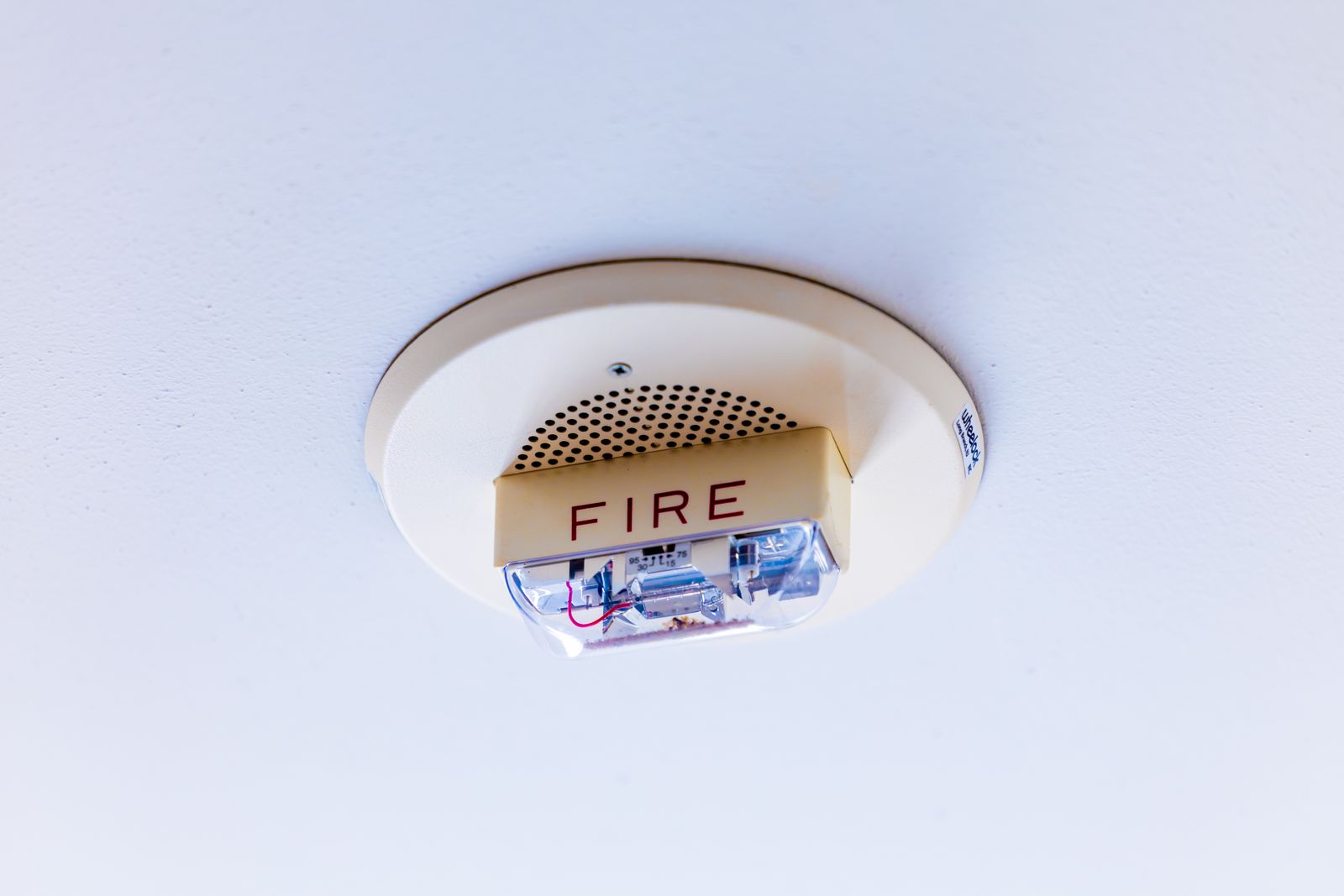
OCFA recommends alarms on every level of the home, in the hallway outside sleeping areas, and inside each bedroom. Three additions matter specifically for older adults:
- Check the date, not the chirp. Smoke alarms have a service life, and the manufacture date is printed on the back of the unit. An alarm past 10 years should be replaced even if it still tests fine.
- Account for hearing loss. A standard alarm assumes the sleeper can hear a high-frequency tone. If your parent takes out hearing aids at night, that assumption fails at the worst possible moment. Strobe and bed-shaker alarms exist for exactly this.
- Test it with them, not for them. The point is not only that the alarm works. It is that your parent recognizes the sound instantly at 2 a.m. and knows what to do next.
The risk most checklists have not caught up to: lithium-ion batteries
Walk through the average Orange County senior’s home today and count the lithium-ion batteries. Phone. Tablet. Hearing aid charger. Medical alert pendant. Cordless vacuum. Increasingly, a mobility scooter or power wheelchair, and sometimes an e-bike belonging to a grandchild parked in the garage.
These batteries are overwhelmingly safe in normal use. The failure mode, when it happens, is what makes them different from other household fire risks. A damaged or defective cell can enter thermal runaway, a self-sustaining reaction in which the cell generates its own heat and drives itself hotter. It can develop fast, and it is not a fire to stand over and manage with a pan lid.
Regulatory status, stated precisely. On June 24, 2026, the Consumer Product Safety Commission published a notice of proposed rulemaking in the Federal Register (document 2026-12749) that would establish a safety standard for lithium-ion batteries used in micromobility products such as e-bikes and scooters. The comment period closed August 24, 2026.
This is a proposed rule. It is not final and not enforceable today. Anyone telling you these products are now federally certified is describing a rule that has not taken effect. Until it does, third-party certification marks remain voluntary, which is precisely why the purchasing advice below matters.
The practical rules are about placement and equipment, and they are short enough to actually follow:
- Charge in the open. A common area, on a hard surface. Not on a bed, not on a sofa, not under a pile of laundry, where heat cannot escape.
- Never in the bedroom or the exit path. A battery failure in a hallway takes away the route out. A failure in the bedroom takes away the warning time.
- Use the charger that came with the device. Mismatched replacement chargers bought on price are a recurring theme in battery incidents.
- Retire damaged batteries immediately. Swelling, cracking, odd smells, or heat you would not expect are all stop-using signals, not monitor-it signals.
- Look for a recognized certification mark when buying, understanding it is currently voluntary rather than federally required.

The rest of the ignition list, ranked by what actually happens
| Risk | What it looks like in a real home | The fix that takes ten minutes |
|---|---|---|
| Cooking | A pan left on the burner during a phone call; dish towels and paper within reach of the cooktop; storing items on the stove. | Clear an 18-inch zone around burners. Move anything stored on the cooktop. Set a timer that is audible from the next room. |
| Heating | Portable space heaters in October cold snaps, often plugged into an extension cord and placed near a bed or chair. | Heaters plug directly into a wall outlet, never an extension cord or power strip, and keep three feet of clearance on all sides. |
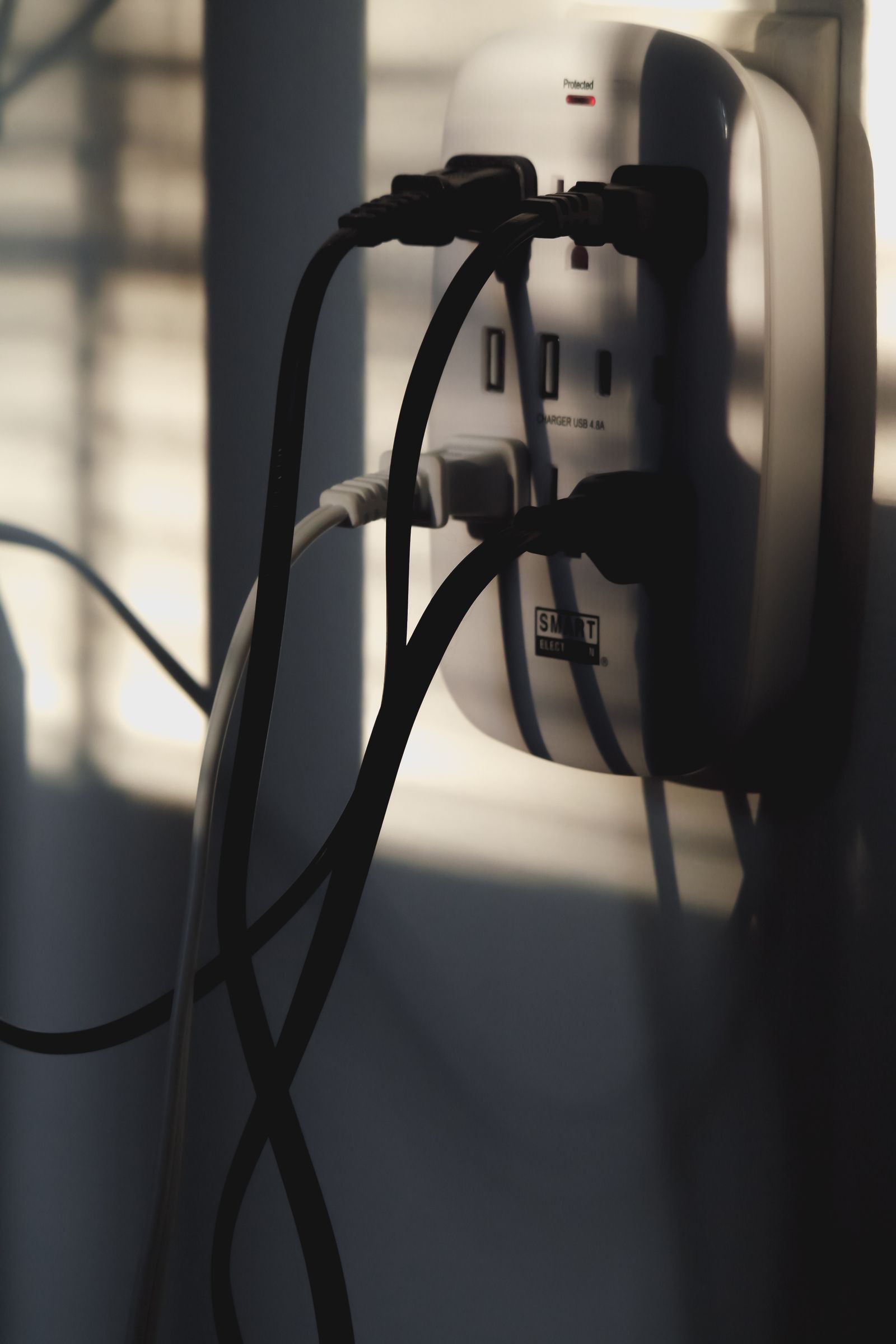
| Electrical | Cords run under rugs or taped along walls; one outlet feeding four devices; decades-old wiring in a long-owned home. | Remove cords from under rugs entirely. Reduce the load on shared outlets. Replace frayed cords rather than taping them. |
| Smoking | Smoking indoors, particularly near upholstery, bedding, or supplemental oxygen. | Move smoking outside without exception. Where home oxygen is in use, this is non-negotiable. |
| Candles | Candles left burning in a room the person has left, or placed near curtains and paper. | Switch to flameless LED candles. This removes the risk rather than managing it. |


The part families skip: the exit plan
Every fire safety checklist ends with “make an escape plan.” Almost no family does it, because it sounds like paperwork. It is not. It is a timed walk, and for an older adult it frequently surfaces a problem nobody knew existed.
Do it this way:
- Start in the bedroom at night. That is when home fire deaths cluster, and it is when your parent is least mobile, possibly without glasses, hearing aids, or a walker within reach.
- Walk it at real speed. Not demonstration speed. With the actual walker or cane, and with whatever they would genuinely stop to pick up.
- Find the second way out of every room, and check whether your parent can physically use it. A window that requires climbing is not an exit for an 85-year-old, and it is better to know that now.
- Pick a meeting point outside, close and unambiguous, such as the mailbox or a specific neighbor’s driveway.
- Decide in advance what gets left behind. This is the hardest conversation and the most valuable. Documents, photo albums, and pets are the three things people go back for.
If the timed walk is slow, that is not a failure. That is the finding. It tells you the alarm needs to be louder or supplemented with a bed-shaker, the exit path needs to be genuinely clear, and someone may need to be in the home more hours than they are now. A plan built around what your parent can actually do beats a plan built around what everyone hopes they can do.

Your Fire Prevention Week walkthrough
Tap each item as you complete it. Everything here can be finished in one afternoon, and most of it costs nothing.
- Test every smoke alarm in the house by pressing and holding the test button until it sounds. Do this with your parent present so they know the sound.
- Confirm there is a working smoke alarm inside every bedroom, outside each sleeping area, and on every level of the home, including the garage-adjacent hallway.
- Check the manufacture date printed on the back of each alarm. Replace any alarm that is 10 or more years old, regardless of whether it still chirps.
- Add at least one strobe or bed-shaker alarm if your parent has meaningful hearing loss or removes hearing aids at night.
- Walk both exit routes from the bedroom with your parent, at their real walking speed, using their actual walker or cane.
- Clear both exit paths of throw rugs, cords, magazines, and furniture that has crept into the walkway.
- Move every lithium-ion charger (phone, hearing aids, tablet, e-bike, mobility scooter) out of the bedroom and off the primary exit path.
- Replace any charger or battery pack that is cracked, swollen, hot to the touch, or not the manufacturer’s original.
- Check the stove area: no dish towels, paper, or plastic within arm’s reach of the burners, and nothing stored on the cooktop.
- Write the escape plan on one page, put a copy on the refrigerator, and text a photo of it to every adult child in the family.
0 of 10 steps complete
Orange County resources
The Orange County Fire Authority publishes guidance on smoke alarm placement and home escape planning and runs community education across most of the county. Note that OCFA does not cover every city: Anaheim, Fullerton, Huntington Beach, Newport Beach and Orange operate their own municipal fire departments, so confirm which agency serves your parent’s address first.
If the walkthrough turns up work that costs money, such as electrical repairs, alarm installation, or accessibility changes that make an exit route usable, that overlaps with home repair assistance rather than fire programs. We covered the Orange County programs in detail in OC Senior Home Repair Grants 2026, and the broader home setup question in Aging in Place: Tips for a Comfortable and Safe Home Environment. For seasonal air quality and heat risks that stack on top of fire season here, see Wildfire Smoke & Summer Heat 2026.
Test what you know
According to the U.S. Fire Administration, how did the fire-death risk for adults 65 and older compare to the general population in 2023?
When is Fire Prevention Week 2026?
What fraction of home fire deaths happen in homes with no working smoke alarm, according to the Orange County Fire Authority?
Where should a lithium-ion device be charged in an older adult’s home?
What is the current status of the CPSC’s federal safety standard for lithium-ion batteries in micromobility products?
Frequently asked questions

When the walkthrough shows someone should be there
Sometimes the honest answer to “how would this actually go?” is that your parent should not be alone overnight, or that someone needs to be in the home often enough to keep the exit paths clear and the charging habits safe.
At Home VA Staffing provides caregivers across Orange County who help with exactly this kind of daily safety, from Irvine and Anaheim to Mission Viejo and Huntington Beach. We are happy to talk through what your family actually needs.
Talk to Our TeamOr call us directly at (213) 326-7452
Sources
- U.S. Fire Administration, Older Adult Fire Death Risk (2014–2023) — relative risk and fire death rates by age group.
- National Fire Protection Association — Fire Prevention Week 2026 dates (October 4–10).
- Orange County Fire Authority — Smoke Alarm & Home Escape Plan guidance.
- Consumer Product Safety Commission, Safety Standard for Lithium-Ion Batteries Used in Micromobility Products, Federal Register document 2026-12749, proposed rule published June 24, 2026; comments closed August 24, 2026.